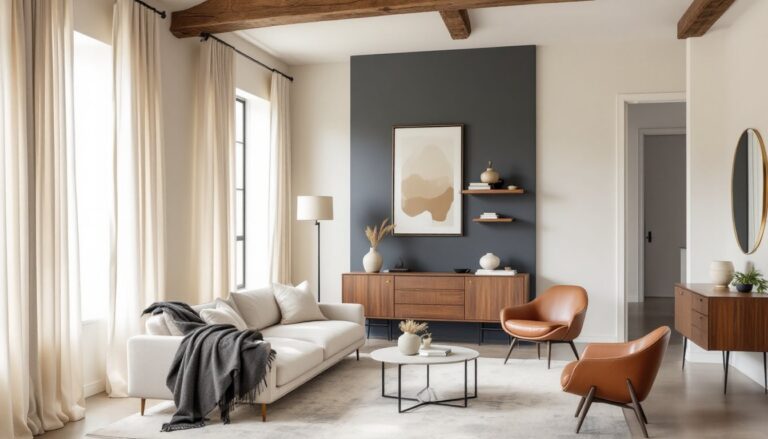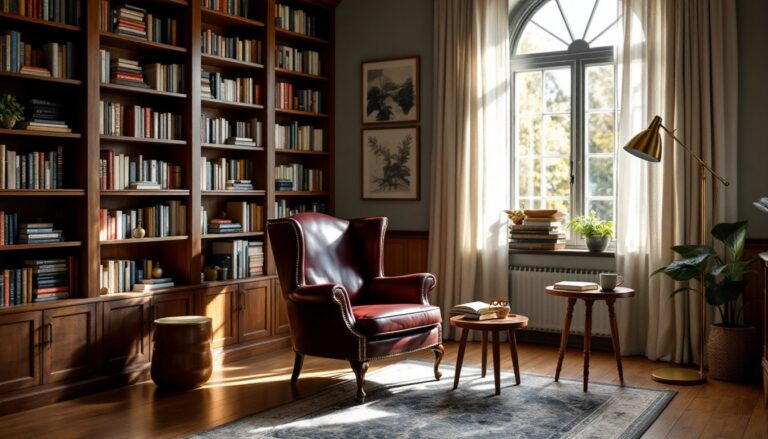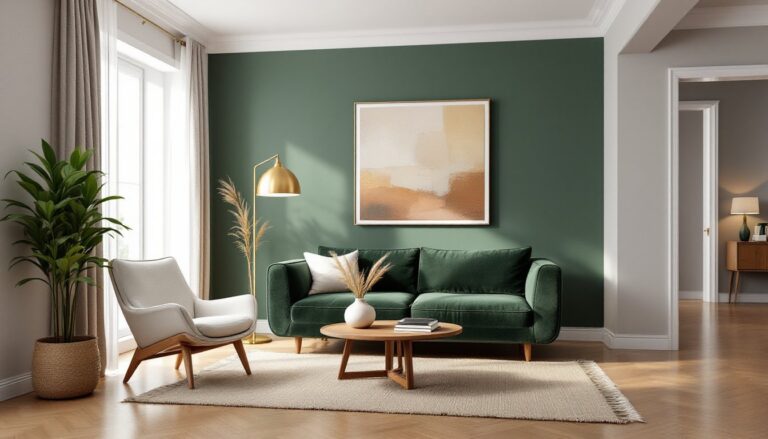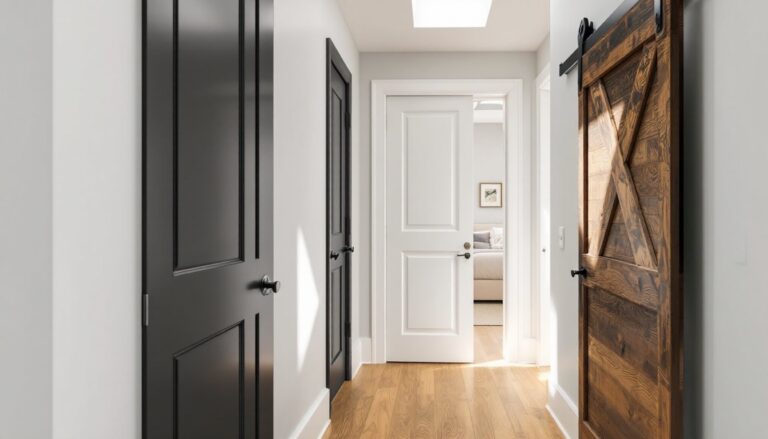
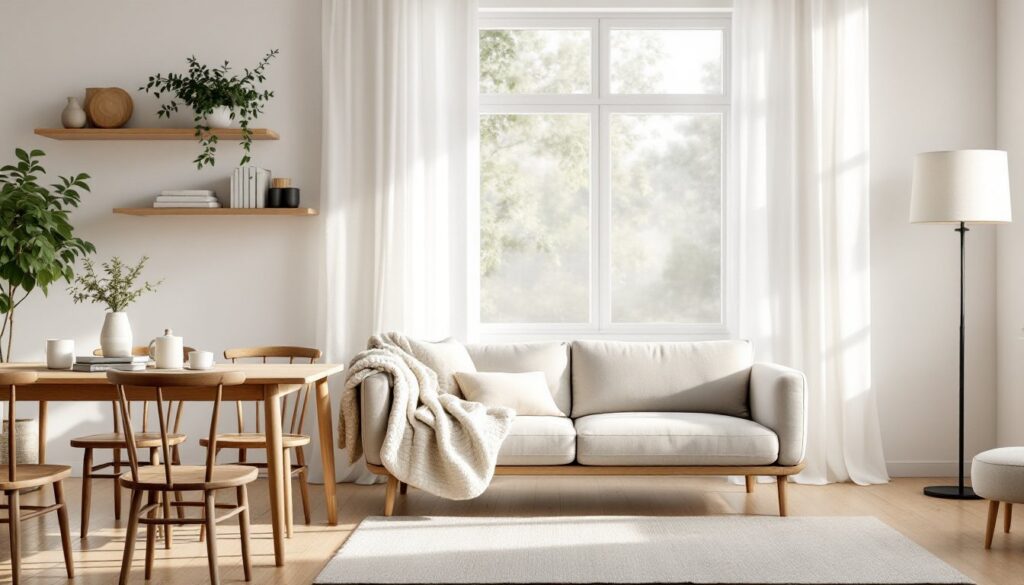
Nordic interior design isn’t just a trend, it’s a design philosophy rooted in centuries of Scandinavian pragmatism and climate adaptation. If you’re looking to transform cluttered rooms into calm, functional spaces that actually work for daily living, this style delivers. It’s not about buying a white sofa and calling it done. Real Nordic design balances light management, material selection, and spatial efficiency in ways that make small homes feel larger and cold climates feel warmer. Whether you’re renovating a single room or rethinking your entire home layout, understanding the principles behind this approach will help you make smarter choices about paint, flooring, furniture placement, and lighting, all while keeping your project budget-friendly and DIY-friendly.
Table of Contents
ToggleKey Takeaways
- Nordic interior design prioritizes functionality, natural light, and honest materials—creating calm, practical spaces that don’t require expensive designer items or major renovations.
- A warm white base palette combined with light wood, matte finishes, and minimal ornamentation forms the foundation of authentic Nordic style, while layered lighting at different heights compensates for limited winter daylight.
- Multi-functional furniture with exposed legs, built-in storage, and carefully edited spaces prevent clutter and make rooms feel larger without sacrificing comfort or the hygge principle of cozy balance.
- Budget-friendly DIY projects like floating shelves, whitewashed floors, and simple headboards align perfectly with Nordic design’s emphasis on clean construction and honest joinery.
- Luxury vinyl plank flooring, quartz countertops with Carrara finishes, and linen-blend textiles from accessible retailers offer affordable alternatives that maintain the Nordic aesthetic without premium price tags.
What Is Nordic Interior Design?
Nordic design, also called Scandinavian design, originates from Denmark, Sweden, Norway, Finland, and Iceland. It emerged in the early 20th century as a response to harsh winters, limited daylight, and the need for affordable, functional housing.
The style prioritizes natural light, minimal ornamentation, and multi-functional furniture. Unlike minimalism, which can feel stark, Nordic interiors emphasize warmth through texture and natural materials. Think exposed wood grain, wool throws, linen curtains, and matte finishes instead of glossy surfaces.
Key to this style is the concept of hygge (Danish) and lagom (Swedish), roughly translating to coziness and balance. In practical terms, that means rooms should feel uncluttered but lived-in, with every piece serving a purpose. You won’t see purely decorative items taking up counter space: instead, everyday objects like ceramic bowls or wooden cutting boards double as visual elements.
This isn’t a style that requires expensive imports or designer labels. Many Nordic principles align perfectly with DIY projects: whitewashed pine boards, simple floating shelves, and refurbished secondhand furniture all fit the aesthetic. The goal is creating calm, functional spaces that reduce visual noise and make daily routines easier.
Key Principles of Nordic Style
Functionality first. Every furniture piece should earn its place. A bench with built-in storage, a dining table that extends for guests, or wall-mounted coat hooks that free up floor space, these are Nordic staples. Avoid bulky entertainment centers or oversized sectionals that eat up square footage without adding utility.
Light maximization. In regions where winter daylight lasts only a few hours, window treatments stay sheer or absent. If privacy is needed, opt for top-down/bottom-up cellular shades that let in overhead light while blocking street-level views. Reflective surfaces, glossy floor finishes, large mirrors, or white-painted window trim, help bounce available light deeper into rooms.
Natural material palette. Wood dominates: birch, beech, pine, and ash in light, untreated finishes. Avoid dark stains or cherry tones. For flooring, wide-plank engineered hardwood (7-9 inches wide) in pale oak or white-washed finishes is common. If budget is tight, luxury vinyl plank (LVP) in similar tones works well and handles moisture better in kitchens or entryways.
Honesty in construction. Scandinavian design doesn’t hide joinery or structure. Exposed beams, visible wood grain, and simple butt joints are acceptable, even preferred, over ornate molding or faux finishes. If you’re building furniture, clean lines with dowel or pocket-screw joinery fit the style better than decorative trim or carved details.
Edited spaces. Clutter is the enemy. Open shelving works only if items are uniform and visually restrained. If you have kids or a hobby that generates gear, invest in closed storage: floor-to-ceiling cabinets in white or light wood, under-bed drawers, or built-in benches with lift-tops.
Essential Color Palettes and Materials
Base palette: Start with whites and off-whites. Not builder-grade bright white, look for warm whites with slight gray or beige undertones (Sherwin-Williams Alabaster or Benjamin Moore White Dove are close). Walls, ceilings, and trim often share the same color to eliminate visual breaks and make ceilings feel higher.
Accent tones: Soft grays, muted blues, sage greens, and blush pinks add warmth without disrupting calm. Use these sparingly, a single accent wall, textiles, or a painted interior door. Avoid high-contrast schemes: Nordic interiors rely on tonal variation within a narrow range.
Material choices:
- Wood: Light birch or ash for furniture, pine for shelving. Leave natural or apply a clear matte polyurethane. Avoid polyurethane with amber tint, it yellows over time.
- Textiles: Linen, cotton, wool, and sheepskin. Machine-washable is practical. Stick to neutral tones or simple woven patterns (herringbone, waffle-weave).
- Metal: Brushed nickel, matte black, or raw steel for hardware and light fixtures. Skip brass or oil-rubbed bronze, they read too traditional.
- Stone: Carrara-style marble (or affordable quartz look-alikes) for countertops. Honed finishes over polished.
For flooring, light oak or birch in widths of 5-9 inches creates the signature Scandinavian look. If installing hardwood, acclimate boards in the room for 72 hours before installation to prevent gaps. Underlayment with a moisture barrier is non-negotiable in basements or over concrete slabs.
Paint coverage: One gallon typically covers 350-400 square feet per coat. For a 12×14-foot room with 8-foot ceilings, budget two gallons for walls (two coats) and one gallon for ceiling and trim. Primer is essential on new drywall or when covering darker colors, don’t skip it.
Furniture and Layout Choices
Nordic furniture is low-profile and leggy. Sofas and chairs sit on exposed wooden or tapered metal legs, not skirted bases. This elevates pieces visually and makes floor cleaning easier, a practical consideration in snowy climates where tracked-in moisture is constant.
Seating: Look for pieces with clean lines and firm cushions. Overstuffed sectionals don’t fit the aesthetic. Modular seating works well in smaller homes: individual chairs or loveseats can be rearranged as needed. Slipcovers in washable linen or cotton add softness while staying practical.
Tables: Solid wood dining tables in rectangular or round shapes. Avoid glass tops or ornate pedestals. Extendable tables are common, a 60-inch table that pulls to 84 inches accommodates guests without dominating daily space. For DIY builders, a simple butcher-block top on hairpin legs or IKEA trestle bases works perfectly.
Storage: Built-ins are ideal but not required. Freestanding bookcases, credenzas, or armoires in light wood keep the look cohesive. If building custom shelving, use 3/4-inch plywood (actual thickness: 23/32 inches) with edge banding, or solid 1×12 pine boards (actual: 3/4″ x 11-1/4″). Space shelves 10-12 inches apart for books, 14-16 inches for larger items.
Layout strategy: Arrange furniture to maximize natural light flow and avoid blocking windows. In small rooms, float furniture away from walls to create pathways and prevent a “pushed-to-the-edges” feel. A sofa placed 12-18 inches from a wall, with a narrow console table behind it, adds function without bulk.
Many cozy interior approaches overlap with Nordic principles, especially around layering textiles and emphasizing warmth. The difference: Nordic design stays more restrained and avoids overly plush or maximalist elements.
Lighting Strategies for Nordic Interiors
Layered lighting is non-negotiable. With limited daylight much of the year, Scandinavian homes rely on multiple light sources at different heights to mimic natural light and avoid harsh shadows.
Ambient lighting: Ceiling-mounted fixtures with frosted glass or fabric shades diffuse light evenly. Avoid exposed bulbs or highly directional spots. Pendant lights over dining tables should hang 30-36 inches above the surface for task lighting without glare. Use LED bulbs in 2700K-3000K (warm white) to avoid the clinical feel of cooler temps.
Task lighting: Adjustable desk lamps, wall-mounted swing-arm sconces, or under-cabinet LED strips in kitchens. Look for fixtures with dimmer-compatible drivers, most LED strips require a compatible dimmer switch: standard incandescent dimmers cause flickering.
Accent lighting: Floor lamps with linen or paper shades placed in corners soften hard edges and add warmth. Table lamps on nightstands or side tables create intimate zones. String lights or candles (real or LED) contribute hygge without taking up space.
Window treatment: Sheer linen or cotton panels let in maximum daylight. If you need blackout capability in bedrooms, use a dual-rod setup: sheers on the front rod, blackout-lined panels on the back. This allows flexibility without sacrificing light during the day.
For DIYers installing new fixtures, check local codes. Most jurisdictions follow NEC (National Electrical Code) guidelines: ceiling boxes must support fixture weight (typically up to 50 lbs for standard boxes: heavier fixtures require fan-rated boxes). If you’re uncomfortable working with wiring, hire a licensed electrician, botched electrical is a safety and insurance liability.
Contemporary design trends featured on modern furniture showcases often highlight Scandinavian lighting brands, but budget-friendly options at big-box stores work just as well if you stick to simple shapes and neutral finishes.
Bringing Nordic Design Into Your Home
Start with paint and decluttering. You don’t need to gut a room. A fresh coat of warm white paint and ruthless editing of belongings will shift the feel immediately. Remove heavy drapes, excess furniture, and decorative clutter. Store seasonal items in closed cabinets or under-bed bins.
DIY projects that fit the style:
- Floating shelves: Use 2×10 or 2×12 pine boards (actual: 1-1/2″ x 9-1/4″ or 11-1/4″), sand smooth, and finish with matte poly or white wash. Mount with heavy-duty floating shelf brackets rated for the load.
- Whitewashed floors: If you have dated hardwood, a whitewash (diluted white paint or specialty whitewash stain) can lighten the tone. Test in a closet first. Prep includes sanding to bare wood (80-grit, then 120-grit) and thorough vacuuming.
- Simple headboard: A piece of 3/4″ plywood cut to bed width, wrapped in linen or painted, and mounted to the wall with French cleats.
- Open clothing rack: A black iron pipe and floor flanges from the plumbing aisle make a sturdy, industrial-light clothing rack for bedrooms short on closet space.
Affordable material swaps:
- Countertops: Quartz in Carrara-look finishes (about $50-70/sq ft installed) instead of real marble.
- Flooring: LVP in light oak (under $3/sq ft) instead of engineered hardwood ($5-8/sq ft).
- Textiles: IKEA, Target, and West Elm offer linen-blend curtains and cotton throws that hit the aesthetic at accessible price points.
In smaller spaces like condos, Nordic principles of light and openness are especially effective. Smart condo layout strategies often mirror Scandinavian approaches: multi-function furniture, vertical storage, and neutral palettes that don’t overwhelm limited square footage.
What to avoid:
- Dark wood furniture or espresso finishes
- Heavy, patterned upholstery
- Excessive open shelving filled with mismatched items
- Warm-toned metals like brass or copper (small accents are fine, but don’t make them dominant)
- Glossy, high-contrast surfaces
Design ideas and inspiration abound on platforms like Homedit, where Scandinavian interiors are frequently showcased alongside modern minimalist and mid-century aesthetics. Curated resources on Design Milk also highlight furniture and product designs that align with Nordic sensibilities, particularly around sustainable materials and functional innovation.
Conclusion
Nordic interior design isn’t about perfection, it’s about intention. Choose furniture that serves multiple roles, paint walls in tones that reflect rather than absorb light, and invest in quality materials that age well instead of trendy pieces that won’t last. The beauty of this style is that it rewards DIY effort: a weekend spent whitewashing floors or building simple shelving can shift a room’s entire character without professional help or a massive budget. Start small, edit ruthlessly, and let function lead form.