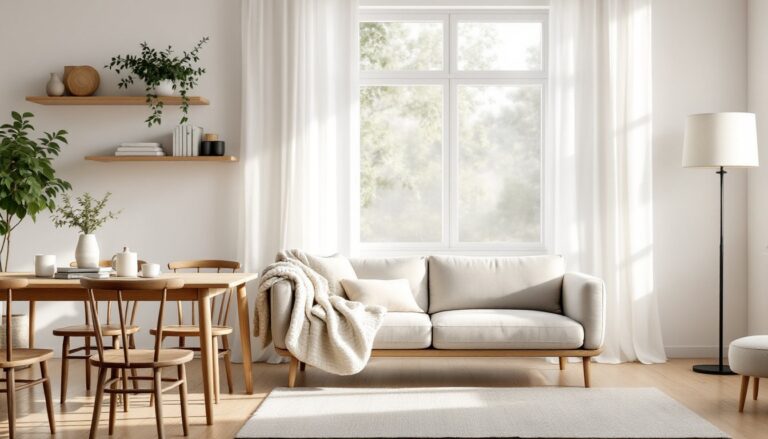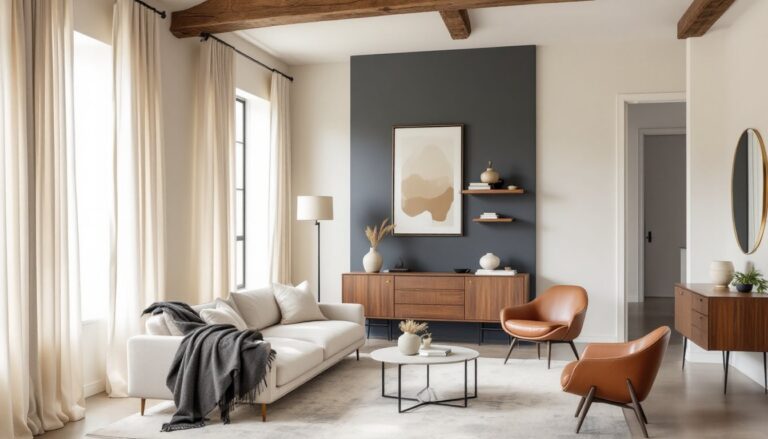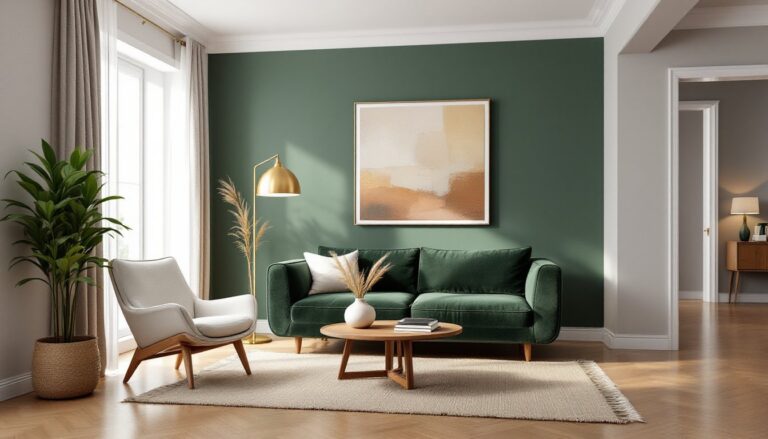
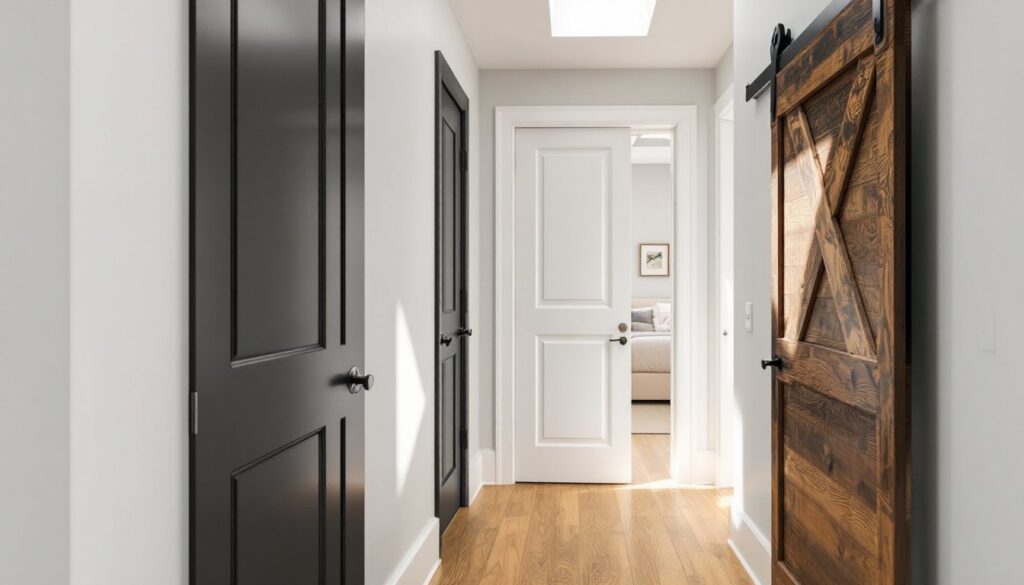
Interior doors are the quiet achievers of home design. They’re opened and closed dozens of times a day, yet most homeowners overlook them during renovations, until they realize a builder-grade hollow-core slab is doing nothing for a freshly painted room. Whether upgrading a single room or planning a whole-house refresh, door design choices affect flow, light, privacy, and style in ways that paint and trim alone can’t fix. In 2026, interior door trends lean toward clean lines, mixed materials, and doors that do double duty as functional art. This guide walks through the styles, materials, and design strategies that turn forgettable passageways into purposeful design elements.
Table of Contents
ToggleKey Takeaways
- Interior door design significantly impacts home flow, acoustics, light distribution, and resale value, with solid-core doors reducing noise by approximately 50% compared to hollow-core alternatives.
- Panel doors, barn doors, and glass or French doors each offer distinct advantages—panel doors for versatility, barn doors for space-saving functionality, and glass doors for maximizing light and spatial perception.
- Solid-core interior doors cost $150–$300 per slab versus $50–$100 for hollow-core, but provide superior durability, sound insulation, and a quality appearance that signals intentional home design.
- Material selection matters: solid wood suits traditional aesthetics, MDF excels for painted applications, and hollow-core works only in low-traffic areas like closets where budget is the primary concern.
- Matching interior door finish, hardware, and trim to existing architectural elements—baseboards, crown molding, and window casing—prevents a patchwork look and creates cohesive, unified spaces.
- Door height upgrades from standard 80 inches to 96 inches in homes with 9–10-foot ceilings improve proportions and visual flow, though structural modifications require professional installation and permit approval.
Why Interior Door Design Matters More Than You Think
Interior doors shape how a home feels, not just how it looks. A flimsy hollow-core door telegraphs “rental” even in a well-decorated space, while a solid-core door with thoughtful hardware signals intentional design. Doors control sound transmission between rooms, critical in homes with open floor plans, home offices, or kids’ bedrooms. A solid-core door reduces noise by roughly 50% compared to hollow-core alternatives, a detail that matters more than most homeowners expect until they’re stuck overhearing every Zoom call from the next room.
Doors also influence light flow and spatial perception. A glass-panel door borrows light from a hallway or adjacent room, making small spaces feel larger without sacrificing privacy when frosted or textured glass is used. Conversely, opaque doors define boundaries and create distinct zones, useful in studio apartments or loft conversions where walls are minimal.
From a resale perspective, doors signal quality. Appraisers and buyers notice mismatched styles, peeling veneer, and sagging hinges. Replacing dated doors is one of the higher-ROI cosmetic upgrades, especially when paired with cohesive hardware and trim. For those planning projects that emphasize warmth and texture, choosing doors that complement cozy interior aesthetics creates a more unified look throughout the home.
Popular Interior Door Styles to Consider
Panel Doors: Classic Elegance for Any Home
Panel doors, characterized by raised or flat recessed sections framed by stiles and rails, remain the most versatile option for traditional, transitional, and even contemporary interiors. Common configurations include two-panel, four-panel, and six-panel designs. Six-panel doors are standard in many production homes built before 2010, but they can feel dated when paired with modern finishes. Two-panel shaker-style doors, on the other hand, offer clean geometry that works in spaces ranging from farmhouse kitchens to minimalist bedrooms.
Panel doors come in both hollow-core and solid-core construction. Hollow-core units weigh around 25–30 pounds and cost $50–$100 per slab, making them budget-friendly but less durable and soundproof. Solid-core doors weigh 70–90 pounds, cost $150–$300, and provide better insulation and heft. For bedrooms, bathrooms, and any room where noise control matters, solid-core is worth the upgrade.
When selecting panel doors, match the panel depth and profile to existing trim. A door with 1/4-inch raised panels pairs well with chunky baseboards and crown molding, while flat-panel shaker doors suit homes with minimal, modern trim. Platforms like Houzz showcase thousands of installed examples that help visualize how panel configurations interact with room styles.
Barn Doors: Rustic Charm Meets Modern Function
Sliding barn doors surged in popularity around 2015 and haven’t fully left the scene, though their application has evolved. These doors hang from an exterior-mounted track and slide parallel to the wall, making them ideal for tight spaces where a swinging door would block furniture or pathways. Common uses include closets, pantries, laundry rooms, and en-suite bathrooms in loft-style homes.
Barn doors require 6–8 inches of clear wall space on one side for the door to slide open, plus sturdy wall backing to support the 150–200 pound load (door plus hardware). If the wall is drywall over standard 2×4 studs, install a header board spanning at least two studs, secured with 3-inch construction screws. For homes with steel studs or hollow walls, consult a structural expert or use specialty toggle anchors rated for the load.
Style-wise, barn doors range from reclaimed wood planks with visible knots and weathering to sleek MDF slabs painted in bold colors. Hardware finishes, matte black, brushed nickel, oil-rubbed bronze, should coordinate with other fixtures in the room. Keep in mind that barn doors don’t seal as tightly as hinged doors, so they’re not ideal for bathrooms where steam and odor containment matter. Design communities exploring industrial interior themes often favor barn doors with metal accents and exposed hardware.
Glass and French Doors: Maximizing Light and Space
French doors feature two hinged panels that swing open from the center, each with multiple glass panes (lites) divided by muntins. They’re traditionally used between living and dining rooms, home offices, or as patio access points, but interior applications have grown as open-plan living drives demand for flexible separation. A set of 30-inch French doors (60 inches total width) fits a standard doorway and allows full swing access when both panels are open.
Glass options include clear, frosted, seeded, or textured varieties. Frosted glass obscures views while transmitting up to 80% of available light, perfect for home offices or powder rooms. Tempered glass is required by most building codes for any glazing within 18 inches of a walking surface or door swing path, as it shatters into small, blunt pieces rather than dangerous shards.
For single-door applications, consider a five-lite or ten-lite design, where horizontal or vertical glass panels are framed into a solid door slab. This style works well in narrow hallways or between kitchens and dining areas. Pair glass doors with privacy hardware (passage locks rather than dummy knobs) if the door will be closed frequently. Inspiration galleries on Dwell often feature glass doors in mid-century and Scandinavian-influenced interiors where light flow is prioritized.
Choosing the Right Material and Finish
Material and finish choices determine durability, maintenance, and overall cost. The most common interior door materials are solid wood, engineered wood (MDF), and hollow-core composite.
Solid wood doors, typically pine, fir, oak, or mahogany, offer natural grain, paintability, and longevity. Expect to pay $200–$600 per slab depending on species and craftsmanship. Wood doors can be stained to showcase grain or primed and painted. If painting, use a bonding primer and two coats of semi-gloss or satin latex for a durable, washable finish. Wood expands and contracts with humidity, so leave a 1/8-inch gap at the bottom and ensure the door is acclimated to the home’s conditions for 48 hours before hanging.
MDF (medium-density fiberboard) doors are engineered from wood fibers and resin, offering a smooth, uniform surface that takes paint exceptionally well. They cost $100–$250 per slab, resist warping better than solid wood, and don’t require staining since there’s no grain. MDF is heavier than hollow-core but lighter than solid hardwood. It’s an excellent choice for painted applications but can swell if exposed to moisture, so avoid using MDF in high-humidity bathrooms without proper sealing.
Hollow-core doors are constructed from a thin veneer or hardboard skin over a cardboard honeycomb core. They’re lightweight, inexpensive ($50–$100), and easy to install, but they dent easily, offer minimal sound dampening, and feel flimsy. Use them in closets or low-traffic areas where budget is the priority.
Finish options extend beyond paint and stain. Gel stain provides rich color on wood without heavy absorption, ideal for pine doors prone to blotching. Clear polyurethane or water-based topcoat protects stained doors from fingerprints and moisture. For a contemporary look, consider factory-primed doors in bold hues like charcoal, navy, or deep green, which add personality without pattern. Projects aligned with modern art deco styling may lean toward high-gloss lacquer finishes and geometric panel configurations.
Design Tips for Matching Doors to Your Interior Style
Cohesion between doors, trim, and architectural details prevents a patchwork look. Start by auditing existing elements: baseboard height and profile, crown molding, window casing, and flooring. Doors should echo these details in scale and finish.
In traditional interiors, opt for raised-panel doors with matching trim and hardware in oil-rubbed bronze or antique brass. If the home has 5 1/4-inch baseboards and picture-frame door casings, a six-panel door maintains visual consistency. Paint doors and trim in the same color, typically white, cream, or soft gray, to create seamless transitions.
Modern and contemporary spaces favor clean lines and minimal ornamentation. Use flat-panel or slab doors in solid colors or wood veneer. Pair them with simple, square-edge trim (often called “craftsman” or “shaker” casing) in the same finish. Matte black or brushed nickel hardware complements the streamlined aesthetic. For homes experimenting with condo-friendly layouts, where space is tight, pocket doors or narrow barn doors can replace traditional swinging doors to free up floor area.
Transitional styles blend traditional and modern elements, allowing flexibility. A two-panel shaker door works in both contexts. Consider painting doors a shade darker than walls for subtle definition, “greige” doors against white walls, or charcoal doors in a light gray room. This technique adds depth without the starkness of pure white.
Hardware consistency is non-negotiable. Choose one finish (matte black, brushed nickel, chrome) and use it on all door handles, hinges, and cabinet pulls within connected spaces. Lever handles are easier to operate than knobs and meet ADA accessibility guidelines, though knobs suit period homes better. Privacy locks are required for bathrooms and bedrooms: passage locks (no locking mechanism) work for hallways and closets.
Don’t forget about door height. Standard interior doors are 80 inches tall, but homes with 9- or 10-foot ceilings benefit from 96-inch doors, which elongate walls and feel more proportional. Upgrading door height often requires modifying the rough opening, which involves cutting studs and adding a header, a job best left to a skilled carpenter if load-bearing walls are involved. Always check local codes: structural modifications typically require permits.
Finally, test paint and stain samples on an actual door slab or scrap piece before committing. Lighting changes throughout the day, and what looks perfect in the store may read too dark or too warm once installed. Resources like Homedit offer real-world project photos that help gauge how finishes perform under various lighting conditions, providing practical reference points beyond manufacturer samples.