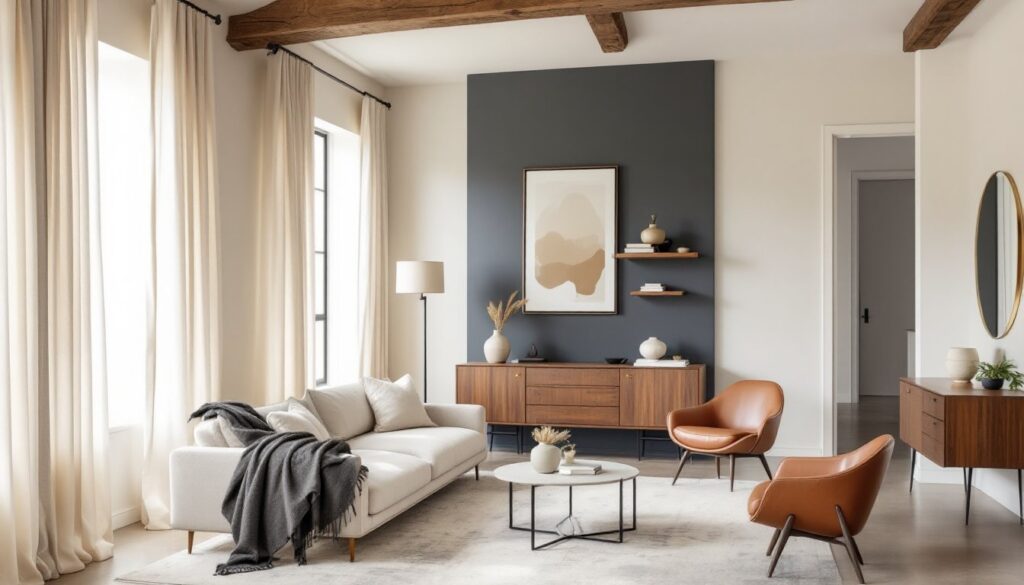
Shawn Henderson has built a reputation as one of the most respected interior designers working today, known for creating spaces that feel both refined and livable. His work appears regularly in top design publications, yet his approach remains surprisingly accessible, grounded in natural materials, subtle color, and a deep respect for how people actually use their homes. Unlike designers who chase trends or impose a rigid aesthetic, Henderson’s interiors adapt to their surroundings and the people who inhabit them. For DIYers and homeowners looking to elevate their spaces without sacrificing comfort, his design philosophy offers a practical roadmap worth studying.
Table of Contents
ToggleKey Takeaways
- Shawn Henderson’s interior design philosophy emphasizes understated luxury through organic materials, natural textures, and livable spaces designed for real use rather than just aesthetics.
- Neutral color palettes paired with strategic accent colors and low-sheen paint finishes create sophisticated, timeless interiors that won’t feel dated as trends shift.
- Invest in fewer, higher-quality pieces with durable fabrics and natural materials like hardwood, leather, and linen that develop character over time rather than budget furniture alternatives.
- Layer textures deliberately by mixing smooth and textured elements, matte and gloss finishes, and blending vintage finds with contemporary pieces to create visual interest without relying on bold patterns.
- Prioritize lighting design with a mix of ambient, task, and accent fixtures paired with dimmers and warm white LED bulbs to create pools of light throughout your home.
- Apply Shawn Henderson’s design approach by editing ruthlessly first, then adding fewer but better pieces, architectural upgrades, and vintage elements that bring character and warmth to any space.
Who Is Shawn Henderson and What Defines His Design Philosophy?
Shawn Henderson founded his New York-based design firm in 2005 after working alongside industry heavyweights and developing a keen eye for balancing elegance with ease. His philosophy centers on what he calls “understated luxury”, spaces that feel considered but never overly precious. He avoids the matchy-matchy look that plagues many interiors, instead layering vintage finds with contemporary pieces and handcrafted elements.
His approach prioritizes livability above all else. Henderson designs homes meant to be used, not just photographed. That means durable fabrics in high-traffic areas, surfaces that age gracefully, and furniture arrangements that support conversation rather than just looking good from one angle.
He’s also known for his collaborative process. Rather than imposing a signature look on every project, Henderson listens closely to how clients live and tailors the design accordingly. This flexibility makes his work particularly relevant for DIYers, you don’t need to replicate his exact aesthetic, but you can borrow his method of asking what a space actually needs before deciding what it should look like.
Henderson’s projects have been featured extensively in publications focused on luxury interior design and high-end residential work, cementing his status as a designer who bridges the gap between aspiration and real life.
Signature Elements of Shawn Henderson’s Interior Design Style
Organic Materials and Natural Textures
Henderson leans heavily on raw, organic materials, reclaimed wood, natural stone, linen, wool, and leather. These aren’t just aesthetic choices: they’re practical ones. Natural materials develop patina over time rather than looking worn out, which makes them ideal for homes that see real use.
He often incorporates custom millwork in white oak or walnut, finished with matte or oil-rubbed treatments that highlight the wood grain. For DIYers, this translates to choosing plywood or hardwood over MDF when building shelving or cabinetry, and opting for penetrating oil finishes (like Rubio Monocoat or Osmo) instead of glossy polyurethane.
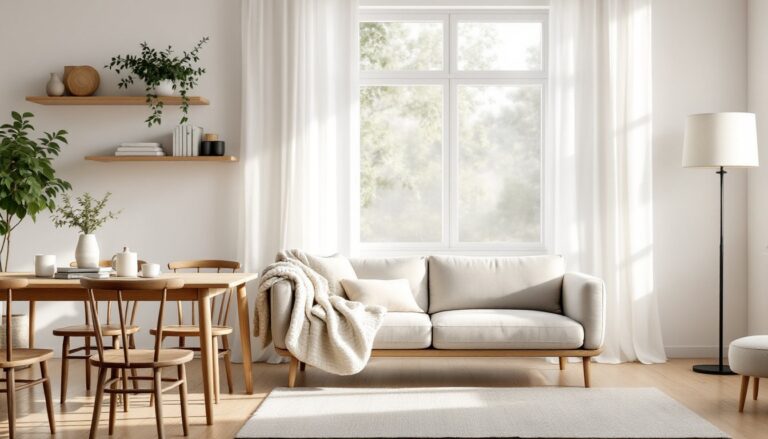
Texture layering is another hallmark. Henderson pairs smooth plaster walls with chunky knit throws, sleek marble countertops with rough-hewn timber beams, or polished concrete floors with soft sheepskin rugs. The contrast keeps spaces from feeling flat or one-note.
In one notable project, Henderson designed a custom indoor swing using iron, walnut, and sheepskin, a playful element grounded in high-quality, tactile materials. It’s the kind of detail that elevates a space without tipping into gimmick territory.
For home improvement projects, this means investing in real materials where they matter most: solid hardwood flooring instead of laminate, natural fiber rugs instead of synthetic, linen or cotton curtains instead of polyester. The upfront cost is higher, but the longevity and improved aesthetic pay off.
Neutral Color Palettes with Strategic Pops of Color
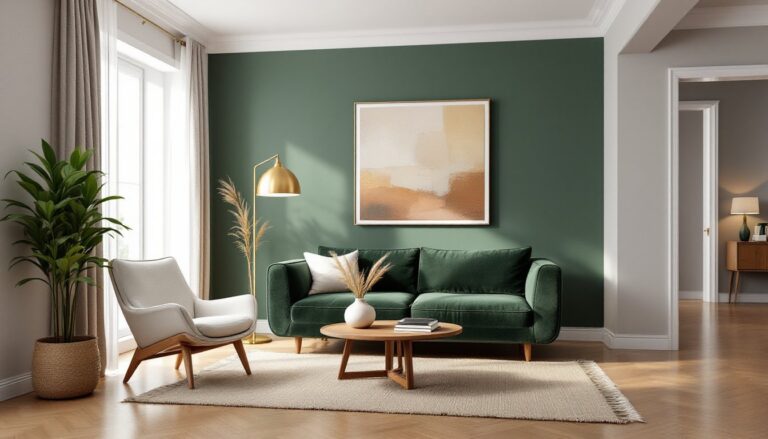
Henderson’s color work is restrained but never boring. He builds around a neutral base, whites, warm grays, taupes, and soft beiges, that allows architectural features and textures to stand out. But he’s not afraid of color: he just uses it strategically.
Typical accent colors include deep blues, muted greens, terracotta, and charcoal. These show up in smaller doses: a navy velvet sofa, sage green cabinetry in a powder room, burnt orange pillows, or a charcoal accent wall behind a bed. The restraint prevents the space from feeling busy or dated as trends shift.
Paint choices tend toward low-sheen finishes, matte or eggshell on walls, satin on trim. This reduces glare and gives interiors a softer, more sophisticated look than high-gloss alternatives. Brands like Benjamin Moore’s Aura or Farrow & Ball are common in this tier of work, though Sherwin-Williams Emerald offers similar performance at a lower price point.
When planning a DIY paint project inspired by this approach, start with a neutral base (think Benjamin Moore White Dove, Sherwin-Williams Accessible Beige, or Farrow & Ball Cornforth White). Then add one or two accent colors in textiles, art, or a single painted element. Avoid the temptation to paint every room a different color, cohesion across spaces is key to Henderson’s aesthetic.
Also consider undertones. Henderson’s neutrals often lean warm (greige rather than stark gray, cream rather than pure white), which makes spaces feel inviting rather than cold. Test paint samples on multiple walls and observe them in different light before committing.
How to Bring Shawn Henderson’s Design Approach into Your Own Home
Start with editing. Henderson’s interiors rarely feel cluttered. Before adding anything new, remove what isn’t earning its place. This isn’t minimalism for its own sake, it’s about giving the pieces you love room to breathe.
Next, invest in fewer, better pieces rather than filling a room with budget furniture all at once. A well-made walnut dining table or a quality sofa in a neutral fabric will outlast and outperform cheaper alternatives. For DIYers, this might mean building a few custom pieces (like floating shelves in solid oak or a platform bed frame) rather than buying particleboard equivalents.
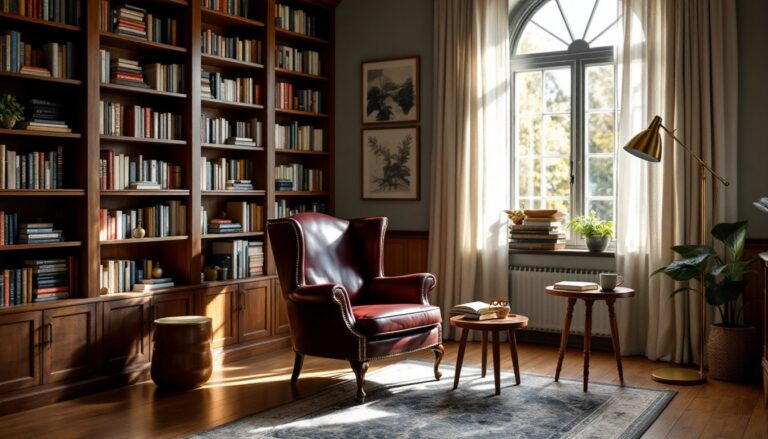
Layer textures deliberately. Pair a smooth leather chair with a nubby wool throw. Use linen curtains alongside a jute rug. Mix matte and gloss finishes. This creates visual interest without relying on bold patterns or colors.
Prioritize lighting. Henderson uses a mix of ambient, task, and accent lighting, often incorporating dimmers on every circuit. Swap out builder-grade overhead fixtures for sculptural pendants or sconces. Add table lamps and floor lamps to create pools of light rather than relying solely on ceiling fixtures. Use LED bulbs in warm white (2700K-3000K) to avoid the harsh, blue-toned light common in many homes.
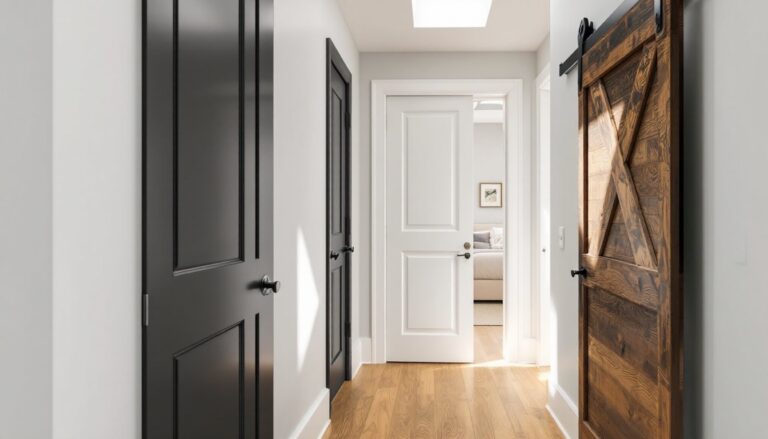
Consider architectural upgrades if your budget allows. Replacing hollow-core doors with solid-core versions, upgrading baseboards and trim to thicker profiles (5¼” or more), or adding board-and-batten wainscoting can dramatically improve a room’s feel. These aren’t quick weekend projects, but they’re well within the scope of an intermediate DIYer with a miter saw, nail gun, and patience.
Finally, incorporate vintage or antique elements. Henderson often mixes periods and styles, using a mid-century credenza alongside contemporary seating or an antique Persian rug under a modern dining table. Scour estate sales, Craigslist, or architectural salvage yards for unique finds that add character budget-friendly furniture can’t match.
Notable Shawn Henderson Projects That Inspire DIY Homeowners
Henderson’s Tribeca loft project showcases his skill at balancing industrial bones with warm, organic finishes. Exposed steel beams and concrete floors anchor the space, while custom white oak cabinetry, plush textiles, and layered lighting soften the hard edges. For DIYers working with loft-style or open-plan homes, this project demonstrates how to add warmth without fighting the architecture.
His Hudson Valley farmhouse renovation highlights adaptive reuse and respect for original materials. Henderson preserved the home’s wide-plank floors and ceiling beams while updating the kitchen with soapstone counters, unlacquered brass hardware, and Shaker-style cabinetry painted in a soft gray-green. The result feels both historic and fresh, a useful template for anyone renovating an older home.
A Manhattan townhouse project featured in major design publications illustrates his mastery of color and scale. Henderson used deep blue-gray paint on the dining room walls, balanced by a large antique mirror and a live-edge wood table. The dark walls make the ceiling feel higher and the space more intimate, a trick that works in smaller rooms where light colors can sometimes feel flat.
In a Hamptons beach house, Henderson employed a palette of whites, soft blues, and natural linens to complement the coastal setting without veering into nautical cliché. Whitewashed oak floors, linen-slipcovered furniture, and minimal window treatments let the landscape take center stage. It’s a useful example for anyone decorating a vacation home or second property where the view is the main attraction.
Conclusion
Shawn Henderson’s interior design approach offers a practical framework for DIYers: prioritize quality materials, edit ruthlessly, layer textures, and let the architecture guide your choices. You don’t need a designer’s budget to apply these principles, just a willingness to invest in fewer, better pieces and the patience to build a space over time. Start with one room, focus on foundational upgrades, and let the details accumulate naturally.