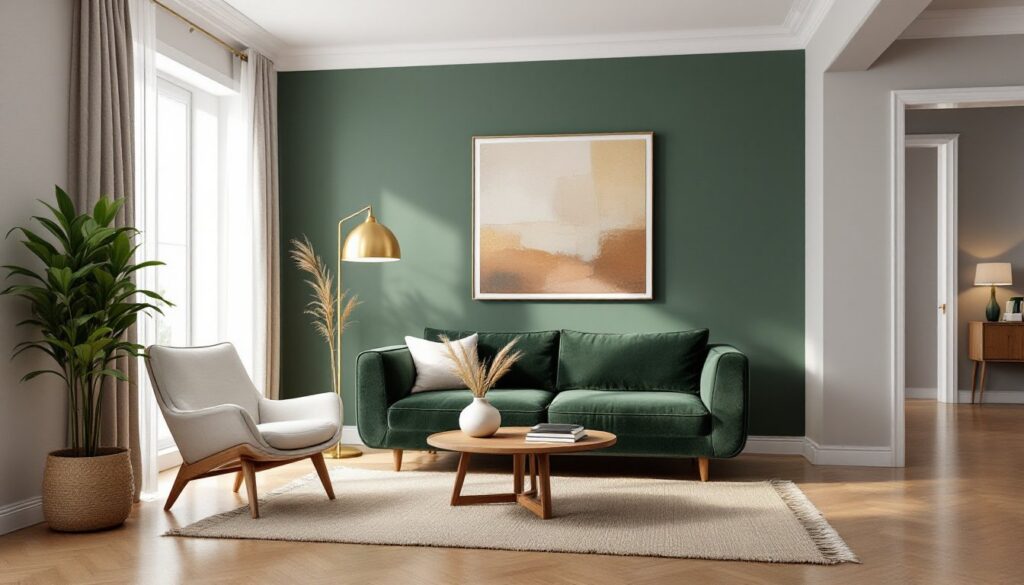
Dark green is making a serious comeback in home design, and for good reason. This rich, grounding hue brings depth, sophistication, and a touch of nature indoors, transforming rooms from ordinary to unforgettable. Whether it’s a moody accent wall in the bedroom or velvet furniture in the living room, dark green offers versatility that works with everything from traditional to contemporary styles. It pairs beautifully with warm woods, brass fixtures, and neutral palettes, creating spaces that feel both luxurious and livable. If you’re ready to step away from gray and beige, this timeless shade might be exactly what your home needs.
Table of Contents
ToggleKey Takeaways
- Dark green interior design brings timeless sophistication and depth to homes, with undertones that adapt beautifully to both traditional and contemporary styles.
- Hunter green, forest green, and emerald are versatile shades that promote relaxation while hiding imperfections better than lighter colors, making them ideal for high-traffic areas.
- Living rooms and bedrooms thrive with dark green accent walls or full paint coverage, paired with warm metals like brass, light wood tones, and neutral textiles to maintain balance and prevent the space from feeling heavy.
- The right dark green shade depends on undertone and lighting—test paint samples on multiple walls throughout the day, and plan for two to three coats with a gray-tinted primer for best results.
- Start small with dark green furniture like velvet sofas or cabinetry, or use textiles and wall art to test the color before committing to full interior design transformations.
- Layering textures, incorporating warm lighting (2700K–3000K bulbs), and balancing dark green with metallics and natural materials create luxurious, livable spaces that feel both cozy and contemporary.
Why Dark Green Is the Perfect Choice for Modern Interiors
Dark green works where other bold colors fail. Unlike trends that burn bright and fade fast, shades like hunter green, forest, and emerald have staying power rooted in centuries of design history. They evoke the richness of British libraries, the elegance of Art Deco lounges, and the calm of natural landscapes, all without feeling dated.
From a practical standpoint, dark green is forgiving. It hides scuffs and imperfections better than lighter shades, making it ideal for high-traffic areas or homes with kids and pets. It also has the rare ability to feel warm or cool depending on the undertone and lighting, which means it adapts to different exposures and room functions.
Psychologically, green promotes relaxation and focus. Darker tones add a layer of coziness and intimacy, making rooms feel enveloping rather than cavernous. This makes it a smart choice for spaces where you want to encourage unwinding or conversation. Pair that with its compatibility with modern Art Deco interiors and you’ve got a color that bridges classic and contemporary with ease.
Unlike stark black or heavy navy, dark green reflects enough light to maintain depth without swallowing a room whole. It works beautifully in both matte and high-gloss finishes, depending on the mood you’re after.
Best Rooms for Dark Green Interior Design
Living Rooms and Lounges
Living rooms thrive on dark green, especially when you want to create a room that feels curated and intentional. Accent walls are the most common application, choose the wall behind the sofa or the one with the fireplace to anchor the space. Use a satin or eggshell finish for a subtle sheen that catches natural light without glare.
If painting all four walls feels too bold, consider wainscoting or a two-tone approach: dark green on the lower half, a warm cream or soft gray above the chair rail. This adds architectural interest and makes standard-height ceilings feel taller.
Dark green works especially well in rooms with cozy design elements like layered textiles, wood furniture, and warm lighting. Balance the richness with lighter upholstery, linen sofas, jute rugs, or natural wood coffee tables keep the palette from feeling heavy. Brass or aged gold hardware on shelving and light fixtures adds warmth without competing for attention.
For smaller living rooms or apartments, limit dark green to one feature wall or use it in compact condo layouts where high contrast creates the illusion of depth rather than closing in the space.
Bedrooms and Personal Retreats
Bedrooms are prime real estate for dark green. The color’s calming, cocoon-like effect makes it perfect for sleep spaces. Paint all four walls for full immersion, or stick to the wall behind the bed as a dramatic headboard backdrop.
In bedrooms, finish matters. Matte or flat paints absorb light and create a velvety, restful atmosphere. If the room lacks natural light, consider a satin finish to reflect what little you have. Pair dark green walls with white or off-white trim to maintain crisp contrast and prevent the room from feeling murky.
Layering is key in dark green bedrooms. Use linens in cream, blush, terracotta, or mustard to add warmth. Wood furniture, especially mid-century modern pieces in walnut or teak, complements green beautifully. Avoid heavy, dark wood like espresso unless you’re specifically going for a moody, maximalist look.
Lighting is non-negotiable. Incorporate multiple sources: bedside sconces, a statement pendant, or even LED strips behind floating shelves. Warm-toned bulbs (2700K–3000K) keep the green from skewing cold or institutional.
How to Choose the Right Dark Green Paint Shade
Not all dark greens are created equal. Undertones make or break the finished look, and they shift dramatically depending on your lighting and surrounding materials.
Hunter green has a slight blue undertone, making it cooler and more formal. It works well in traditional spaces, especially those with dark wood trim or brass fixtures. Forest green leans more neutral, with balanced blue and yellow undertones, this is your safest bet for versatility. Emerald has yellow undertones that make it warmer and more vibrant, ideal for rooms with lots of natural light.
Test samples on multiple walls, not just one. Paint 2′ x 2′ sections on a north-facing wall, a south-facing wall, and near your primary light source. Observe them at different times of day, morning, midday, and evening with artificial lighting. Dark greens can look entirely different under warm LED versus cool daylight bulbs.
Paint coverage for dark colors typically requires two to three coats, especially over lighter existing paint. Expect to get around 250–350 square feet per gallon depending on the finish and porosity of your walls. Use a high-quality primer (gray-tinted is ideal) to reduce the number of topcoats needed and improve color accuracy.
Sheen affects both durability and mood. Matte or flat finishes create a soft, sophisticated look but show scuffs more easily, best for low-traffic bedrooms. Eggshell or satin offers a slight sheen, hides imperfections better, and works well in living rooms or dining areas. Semi-gloss is rare on walls but can create a lacquered, high-drama effect in powder rooms or entryways.
Designers often recommend shades highlighted in resources like House Beautiful’s dark green guide, which showcases a range of tones tested in real interiors.
Styling Tips: Pairing Dark Green With Other Colors and Materials
Dark green is a team player. The key is balancing its weight with lighter, contrasting elements so the room doesn’t feel one-note.
Neutrals are your foundation. Whites, creams, and warm grays provide breathing room and highlight green’s richness. Off-white trim and ceiling paint are non-negotiable, they frame the color and add architectural definition. Avoid pure white if your green has warm undertones: it’ll look stark.
Metallics add instant sophistication. Brass, brushed gold, and aged bronze are naturals with dark green, echoing the warmth in the undertones. Chrome and polished nickel work if your green leans cooler (like hunter). Mix metal finishes, matte black cabinet pulls with brass light fixtures, for example, for a layered, collected look.
Wood tones bring balance and warmth. Light oak, ash, or birch offer contrast without competing. Walnut, teak, and cherry sit in the same tonal family as dark green, creating a rich, cohesive palette. If you’re incorporating industrial design elements, raw wood paired with metal accents can ground a green backdrop beautifully.
Accent colors should be intentional. Terracotta and rust bring an earthy, 70s-inspired vibe. Mustard yellow and ochre add energy without clashing. Blush pink or dusty rose soften the palette and keep it from feeling too masculine. Navy blue or charcoal can deepen the mood in a dramatic, moody direction, but use sparingly, too much dark-on-dark risks looking muddy.
Textiles and textures add dimension. Velvet, linen, leather, and bouclé all interact with dark green differently. Velvet enhances the luxe factor, linen keeps it casual, and leather introduces a rugged, lived-in feel. Layer textures to avoid a flat, one-dimensional look.
Dark Green Furniture, Accents, and Decor Ideas
If painting walls feels like too much commitment, start with furniture and decor. A dark green sofa or upholstered armchair can anchor a room without overwhelming it. Velvet is the go-to fabric, it picks up light beautifully and feels undeniably luxe. Pair it with lighter walls and wood accents to keep the balance.
Cabinetry is another high-impact option. Dark green kitchen cabinets, especially in a satin or semi-gloss finish, create a timeless, sophisticated look. Pair with white subway tile, marble countertops, and brass hardware for a classic combination. In bathrooms, a dark green vanity with a white vessel sink and gold fixtures feels both modern and grounded.
Built-in shelving painted in dark green offers a gallery-like backdrop for books, ceramics, and art. It’s especially effective in home offices or libraries. Use picture lights or integrated LED strips to highlight objects and add warmth.
For smaller doses, try throw pillows, blankets, or curtains in dark green velvet or linen. These are easy to swap out and let you test the color before making a larger commitment. Area rugs in dark green anchor seating areas and tie together disparate furniture pieces.
Wall art and decor should complement, not compete. Botanical prints, abstract art with green and gold, or black-and-white photography all work. Avoid overly bright or clashing colors, think warm, muted tones. Platforms like MyDomaine offer styling guides that show how to layer decor without overdoing it.
Plants are the obvious pairing, but don’t overdo the green-on-green. Use plants as sculptural elements, large fiddle leaf figs, snake plants, or monstera, and balance with non-green decor. Brass planters or ceramic pots in white or terracotta keep the look curated.
Lighting fixtures in matte black, brass, or natural rattan work across styles. A statement chandelier or oversized pendant in a dining room or entryway draws the eye up and adds drama. Inspiration from sites like Home Bunch can help refine your fixture choices based on room scale and style.