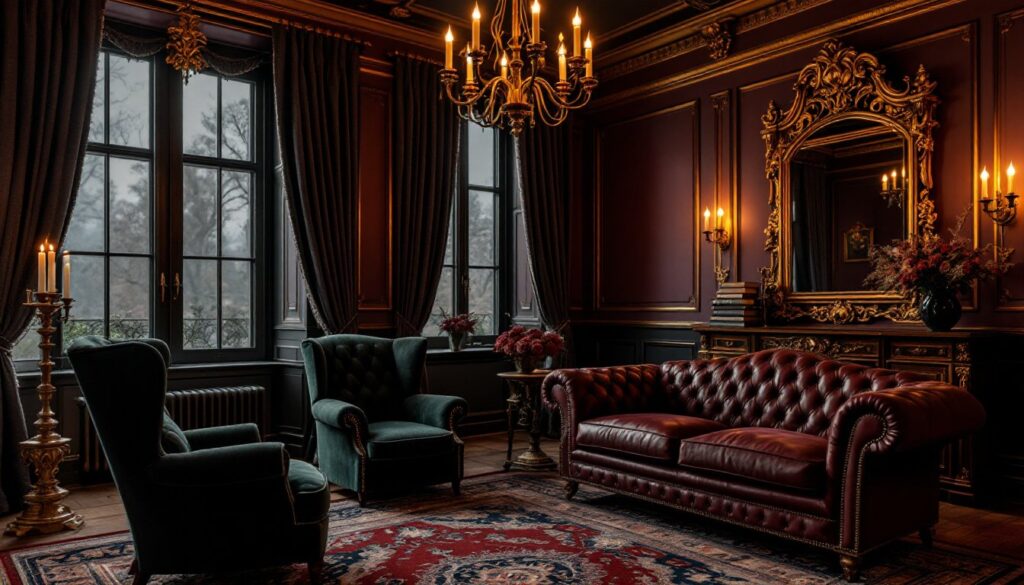
Victorian Gothic interior design isn’t just about black walls and velvet drapes, though those help. This style blends the ornate craftsmanship of Victorian-era architecture with the moody, romantic elements of Gothic design. Think carved mahogany furniture, jewel-toned fabrics, and dramatic lighting that makes every room feel like a scene from a period novel. It’s a look that requires commitment and careful planning, but when done right, it transforms ordinary spaces into something memorable. This guide walks through the essential elements, from color choices to architectural details, so homeowners can tackle this ambitious style with confidence.
Table of Contents
ToggleKey Takeaways
- Victorian Gothic interior design merges Victorian-era ornate craftsmanship with moody Gothic aesthetics, requiring commitment to deep jewel tones, heavy textiles, and carved woodwork rather than bright, minimal spaces.
- Successful Victorian Gothic color palettes start with rich foundation colors like burgundy, emerald green, and sapphire blue, using black as an accent rather than the primary wall color, and testing paint samples in both natural and artificial light.
- Furniture and architectural details—such as ornate wooden pieces with visible joinery, pointed arch overlays, and substantial carved elements like Chesterfield sofas and four-poster beds—are essential to defining the Victorian Gothic style authentically.
- Layered lighting from multiple sources including chandeliers, wall sconces, table lamps, and candlelight at different heights creates the atmospheric mood that makes Victorian Gothic interiors successful, while avoiding modern recessed or track lighting.
- Victorian Gothic style adapts by room function, working best as showcase pieces in living rooms and dining rooms, while bedrooms, bathrooms, and home offices require practical adjustments to maintain both aesthetics and functionality.
- Many homeowners achieve the full Victorian Gothic interior design effect by fully committing to one or two showcase rooms and keeping the rest neutral to prevent overwhelming the overall home aesthetic.
What Is Victorian Gothic Interior Design?
Victorian Gothic interior design merges two distinct periods: the ornate decorative traditions of the Victorian era (roughly 1837-1901) with the darker, medieval-inspired aesthetics of Gothic Revival architecture. The Victorians loved pattern, texture, and excess, layered rugs, heavy curtains, carved woodwork. Gothic design brings pointed arches, ecclesiastical motifs, and a palette rooted in shadow and stone.
The result? Spaces that feel both opulent and mysterious. Rooms feature rich, dark woods like mahogany or walnut, intricate plasterwork, and heavy textiles in deep colors. Unlike minimalist styles that strip away detail, Victorian Gothic piles it on, but with intention. Every carved detail, every piece of fringe, serves the overall mood.
This isn’t a style for small spaces or anyone who prefers bright, airy rooms. It works best in homes with architectural character: tall ceilings, crown molding, or existing woodwork. If you’re in a newer build or a rental, you can still incorporate elements like furniture, textiles, and paint, but achieving the full effect requires some structural features to work with.
Essential Color Palettes for Victorian Gothic Interiors
Victorian Gothic palettes lean dark but aren’t monochrome. Start with a foundation of deep jewel tones: burgundy, emerald green, sapphire blue, and amethyst purple. These colors dominated Victorian interiors and provide richness without feeling flat.
Black isn’t the default wall color, it’s an accent. Use it on trim, window frames, or a single feature wall. For larger wall surfaces, consider charcoal gray, deep plum, or forest green. These shades create drama while still reflecting enough light to keep rooms functional.
Balance dark walls with lighter accent colors. Cream, ivory, and dusty gold work as secondary tones, especially on ceiling medallions, carved woodwork, or upholstery piping. Metallic finishes, brass, bronze, and tarnished silver, add dimension without brightness.
When selecting paint, test samples in both natural and artificial light. Gothic interiors depend heavily on layered lighting (covered later), and a color that looks moody at noon might turn muddy at night. Aim for at least two coats of high-quality paint: darker colors show imperfections more readily than lighter ones.
Patterns matter as much as solid colors. Victorian wallpapers featured damask, floral, and medallion prints. Modern versions are widely available, but look for designs with a visible texture or metallic sheen to catch light. Pair patterned walls with solid furniture, or vice versa, layering too many patterns creates visual chaos rather than richness.
Furniture and Architectural Elements That Define the Style
Victorian Gothic interiors hinge on furniture and architectural details that feel substantial and permanent. If your home lacks original Victorian features, like crown molding, wainscoting, or coffered ceilings, these can be added. Installing picture rail molding or decorative ceiling medallions around light fixtures immediately elevates a room. Most molding is MDF or polyurethane foam (not plaster), which cuts costs and simplifies installation. Paint it in a contrasting color to the wall for definition.
Pointed arches are a Gothic signature. If you’re not ready to reframe doorways, add a decorative arch overlay above existing openings using pre-cut MDF arches (available at home centers). Secure with construction adhesive and finish nails, then paint to match trim.
For flooring, dark hardwood is traditional, walnut or stained oak. If refinishing floors, choose a stain at least two shades darker than the existing tone and apply a satin finish (high gloss feels too modern). In rentals or spaces where refinishing isn’t feasible, large area rugs in deep reds or blacks with Persian or Oriental patterns cover a multitude of sins.
Ornate Wood Pieces and Statement Furniture
Furniture in Victorian Gothic spaces should feel heavy and carved, not sleek or minimalist. Look for solid wood pieces with visible joinery, dovetails, mortise-and-tenon, not particleboard with veneer. Dining tables, sideboards, and bed frames often feature turned legs, claw feet, or carved Gothic tracery (the decorative stonework patterns seen in cathedral windows).
Upholstery plays a key role. Sofas and chairs should have tufted backs, rolled arms, and fabric in velvet, brocade, or leather. Avoid contemporary sectionals: instead, pair a Chesterfield sofa (deep-buttoned leather) with a high-backed wingchair. Legs should be visible, not hidden by skirts.
Statement pieces matter more than quantity. One massive carved armoire or four-poster bed with a canopy anchors a room better than multiple small items. Hunt architectural salvage yards, estate sales, and online marketplaces for authentic Victorian pieces. Reproductions exist, but quality varies, check that joints are wood-to-wood, not stapled.
Bookcase and display cabinets with glass doors and interior lighting showcase collections (antique books, taxidermy, curiosities). Install them on walls adjacent to seating areas to create visual interest without crowding floor space.
Decorative Details: Textures, Patterns, and Accessories
Victorian Gothic thrives on layered textures. Start with window treatments: heavy velvet drapes in burgundy or black, lined to block light. Mount them on ornate curtain rods, wrought iron or brass with finials shaped like fleurs-de-lis or Gothic spires. Drapes should puddle slightly on the floor (add 2-4 inches to the length measurement).
Layer textiles throughout. Throw fringed shawls over chair backs, pile velvet and brocade pillows on sofas (odd numbers look more natural), and use tapestry runners on tables. Mix textures, smooth silk against rough linen, shiny leather against matte wool.
Wall decor should feel curated, not cluttered. Ornate gilt-framed mirrors (the heavier, the better) reflect light and expand space. Hang oil paintings in dark wood frames, landscapes, portraits, or still lifes with moody lighting. Groupings work best in odd numbers or symmetrical pairs.
Wallpaper deserves special mention. Victorian homes often featured different patterns in each room. In dining rooms, try damask or flocked wallpaper (raised velvet pattern on paper). In bedrooms, dark floral prints with metallic accents. Apply wallpaper to a single accent wall if full-room coverage feels overwhelming. Use wallpaper paste rated for heavy vinyl: cheaper adhesives fail under the weight of textured papers.
Accessories should nod to Gothic and Victorian motifs: candelabras, antique clocks, taxidermy (ethical sources only), dried flowers in black vases, and old books stacked on side tables. Unlike modern styles that favor clean lines, Victorian Gothic embraces controlled clutter. The key is cohesion, every item should fit the color palette and era.
Lighting Fixtures That Set the Mood
Lighting makes or breaks Victorian Gothic interiors. The goal isn’t brightness, it’s atmosphere. Layer multiple light sources at different heights rather than relying on overhead fixtures alone.
Chandeliers anchor dining rooms and entryways. Look for wrought iron or brass fixtures with candelabra-style bulbs (flame-tip LEDs mimic gas lighting). Gothic Revival chandeliers often feature pointed arches, crosses, or medieval chain suspension. Size matters: measure the room’s length plus width in feet, then convert to inches for chandelier diameter (e.g., a 12′ x 14′ room suits a 26″ chandelier).
Wall sconces flank mirrors, artwork, or doorways. Choose designs with frosted glass shades or etched patterns to diffuse light. Install dimmers on all overhead and sconce circuits, Victorian Gothic demands control over intensity.
Table and floor lamps provide task lighting. Bases should be carved wood, bronze, or ceramic in dark glazes. Pair them with fabric shades in deep colors or Tiffany-style stained glass (authentic or reproduction). According to design experts featured in Architectural Digest, layered lighting is essential for creating depth in period-inspired interiors.
Candlelight isn’t just decorative, it’s functional ambiance. Use pillar candles in wrought iron holders, candelabras on mantels, and lanterns with glass panes. Battery-operated LED candles work for safety in rentals or homes with kids, but real flame adds authenticity.
Avoid recessed can lights and track lighting, they’re too modern. If your home has them, replace with period-appropriate fixtures or cover with decorative ceiling medallions and pendant lights. When selecting bulbs, choose warm white (2700K) or amber-tinted LEDs to mimic incandescent glow. Cool white (3000K+) kills the mood instantly.
How to Incorporate Victorian Gothic Style Room by Room
Victorian Gothic works differently depending on the room’s function. Here’s how to adapt the style practically.
Living rooms are the showcase. Start with a dark accent wall (deep green or plum) behind the main seating area. Add a large ornate mirror or oil painting as the focal point. Anchor with a tufted leather sofa or velvet settee, then layer in side tables with carved details. Use a Persian rug in burgundy or navy to define the space. Install wall sconces on either side of the fireplace if you have one: if not, consider adding a faux fireplace surround (many salvage yards sell antique mantels).
Dining rooms benefit from drama. Paint walls in charcoal or burgundy, then hang a statement chandelier over the table. Choose a solid wood dining table (oak or mahogany) with high-backed chairs upholstered in velvet or leather. Add a sideboard for storage and display. Wallpaper with damask patterns works especially well here. Unlike industrial approaches that expose raw materials, Victorian Gothic conceals and embellishes.
Bedrooms should feel like sanctuaries. A four-poster bed or canopy bed with heavy drapes anchors the room. Paint walls in deep blue or forest green, then add blackout curtains for actual sleep functionality. Use bedside tables with carved details and table lamps with fabric shades. Layer bedding: velvet duvet, brocade throw pillows, fringed blankets. Install a chandelier or pendant light over the bed (ensure it’s at least 7 feet above the floor to avoid head injuries).
Bathrooms present challenges but aren’t impossible. If you have a clawfoot tub, paint the exterior black or deep green. Add a framed mirror with ornate detailing above the vanity. Use brass or oil-rubbed bronze fixtures for faucets and hardware. Wallpaper (choose moisture-resistant varieties) with small Gothic patterns works in powder rooms. For showers, stick to subway tile in charcoal or black with dark grout.
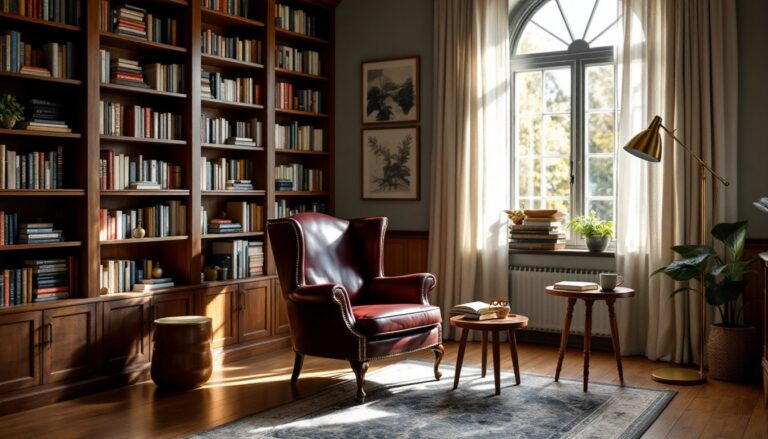
Home offices or libraries are natural fits for this style. Line walls with floor-to-ceiling bookshelves in dark wood. Add a heavy wooden desk with carved legs and a leather desk chair. Use desk lamps with green glass shades (banker’s lamps) or brass adjustable arms. Incorporate velvet curtains and a Persian rug. Insights from Home Bunch suggest that darker paint colors actually help concentration in work spaces by reducing visual distractions.
Don’t attempt Victorian Gothic in every room unless you’re fully committed. Many homeowners choose one or two rooms for full treatment and keep the rest neutral. This prevents the style from overwhelming the home and gives visual relief when needed.