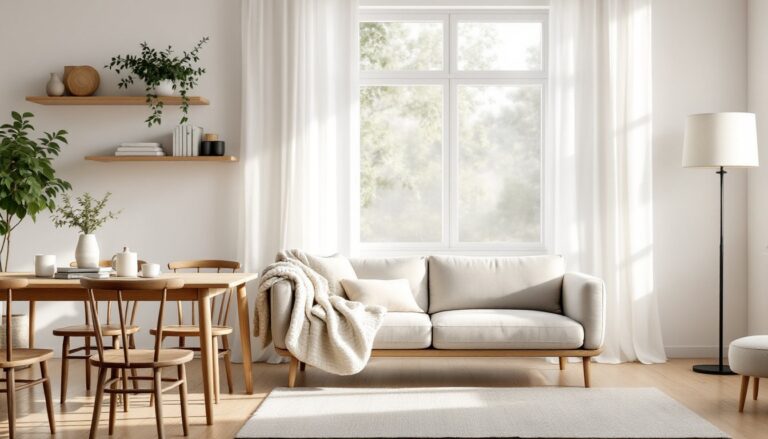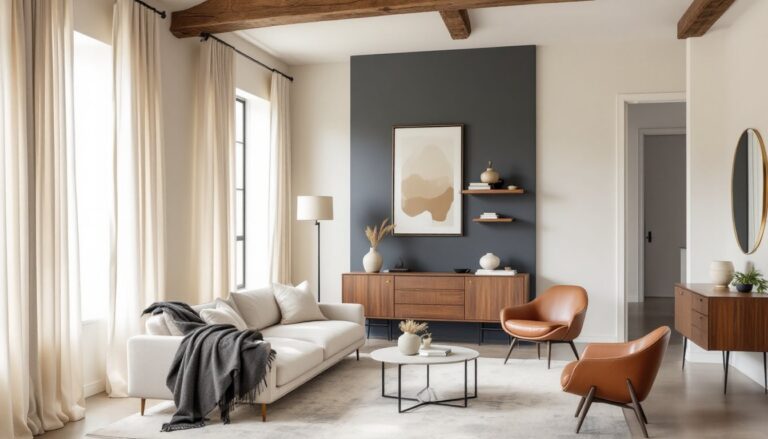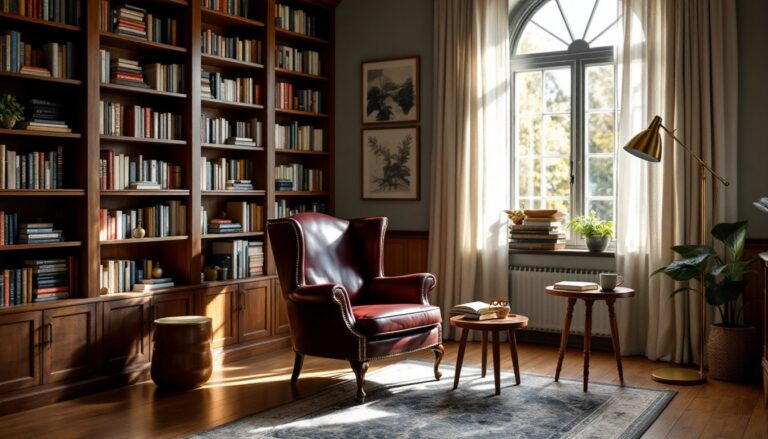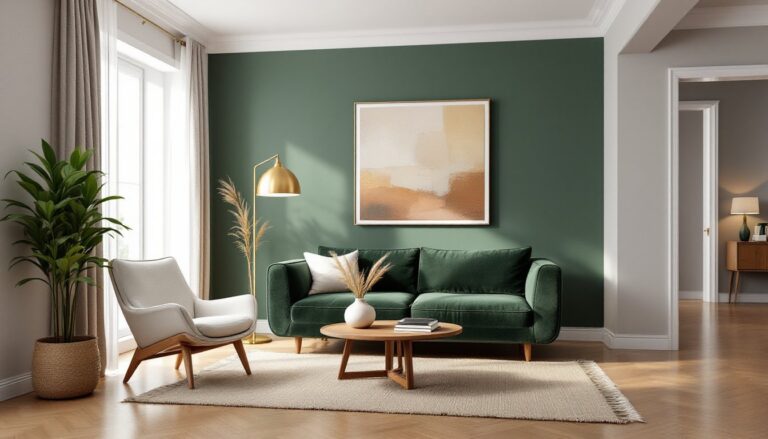
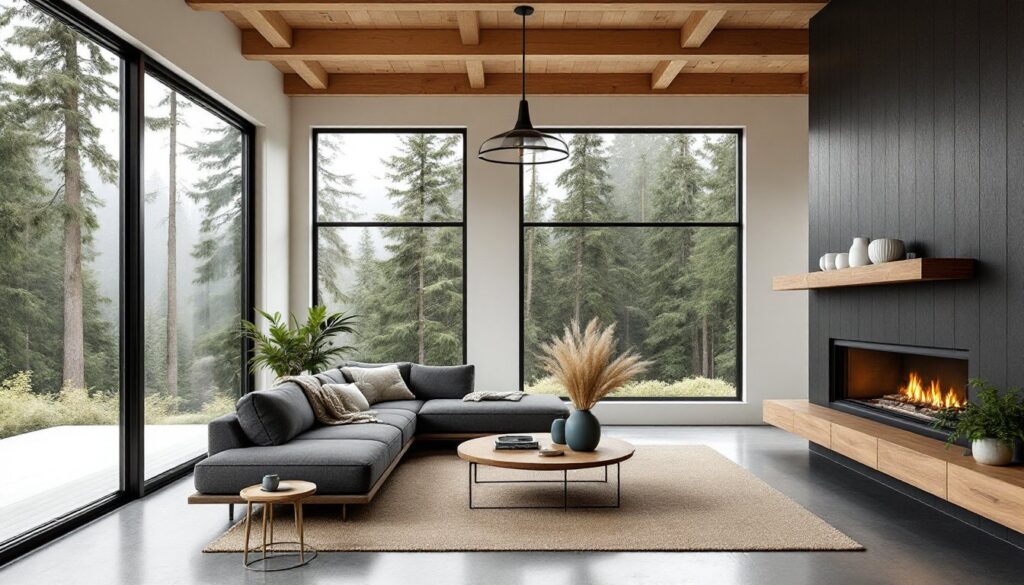
Northwest contemporary interior design draws heavily from the rugged Pacific coastline, dense forests, and the understated sophistication of cities like Seattle and Portland. It’s a style that respects its surroundings, think floor-to-ceiling windows framing evergreens, exposed wood beams, and a color palette pulled straight from the shore. Unlike the stark minimalism you might see elsewhere, this approach balances clean lines with warmth. It’s about creating spaces that feel open and uncluttered but never cold. For homeowners ready to translate this regional aesthetic into their own four walls, understanding the foundational elements is the first step.
Table of Contents
ToggleKey Takeaways
- Northwest contemporary interior design blends modern architecture with natural Pacific Northwest materials like Douglas fir, cedar, and stone while maintaining open floor plans that connect indoors with the landscape.
- Floor-to-ceiling windows with low-E coated glass are essential to this style, requiring structural engineering assessment and permit approval but maximizing daylight and the indoor-outdoor connection crucial to the aesthetic.
- Neutral color palettes of soft grays, warm whites, and greiges form the base, with accent colors drawn sparingly from nature like deep forest greens or slate blues to let the external landscape provide the primary visual interest.
- High-impact updates like replacing carpet with solid hardwood or engineered wood flooring, adding open shelving with natural wood, and swapping heavy drapes for linen panels can achieve the northwest contemporary look without major renovation.
- Natural textiles such as linen, wool, and jute should replace synthetic fabrics to maintain the organic, tactile quality that defines the style and balances visual restraint with textural comfort.
- Exposed structural elements like beams and posts finished in natural wood tones or clear matte polyurethane showcase authentic materials and grain, avoiding painted surfaces that would diminish the design’s honest connection to its environment.
What Is Northwest Contemporary Interior Design?
Northwest contemporary blends modern architectural principles with the natural beauty of the Pacific Northwest. Born from mid-century modernism and the region’s deep connection to nature, it prioritizes horizontal lines, open floor plans, and materials sourced locally or inspired by the landscape.
This isn’t about importing a look from a catalog. The style evolved out of necessity and respect for the environment. Homes often feature large overhangs to manage the region’s frequent rain, while interiors incorporate Douglas fir, cedar, and stone. The goal is seamless indoor-outdoor living, even when the weather doesn’t always cooperate.
Key characteristics include exposed structural elements like beams and posts, often left in natural wood tones rather than painted. Walls tend toward neutral bases, grays, whites, warm taupes, allowing the view outside to provide the color. It’s a deliberate choice: the design steps back so the landscape can take center stage. This also means that successful northwest contemporary interiors depend heavily on thoughtful window placement and quality glazing, which we’ll cover shortly.
Key Elements That Define the Northwest Contemporary Style
Natural Materials and Organic Textures
Wood is the backbone of northwest contemporary design. Douglas fir, western red cedar, and reclaimed barn wood show up in flooring, ceiling treatments, and accent walls. When installing wood flooring, remember that solid hardwood needs to acclimate to your home’s humidity for 7-10 days before installation to prevent warping, critical in the Pacific Northwest’s damp climate.
Stone and concrete play supporting roles. A honed basalt fireplace surround or polished concrete floors add textural contrast without competing with the wood. If you’re pouring concrete floors yourself, hire a pro for the finishing work: getting a smooth, level surface requires specialized tools and experience. DIY polishing kits exist, but they’re labor-intensive and results vary.
Textiles lean natural too: linen, wool, jute. A chunky wool throw or linen curtains soften the harder surfaces. Avoid synthetic fabrics that feel out of place. The textures should remind you of what’s outside, rough, organic, unprocessed. This approach also aligns with principles found in cozy interior design, where tactile comfort balances visual restraint.
Floor-to-Ceiling Windows and Natural Light
Large windows aren’t optional in northwest contemporary design, they’re essential. Floor-to-ceiling glazing connects interior spaces to the landscape and maximizes daylight, especially important during the region’s long, gray winters.
When planning window installations, structural considerations come first. Removing wall sections to add expansive windows often involves load-bearing walls. You’ll need an engineer’s assessment and permits in most jurisdictions. Expect headers sized to local code, typically a double 2×10 or 2×12 for spans over 6 feet, depending on load and span tables in the International Residential Code (IRC).
Glazing type matters. Low-E coatings reduce heat loss without sacrificing light transmission, crucial for energy efficiency. Double-pane windows are baseline: triple-pane offers better insulation if budget allows. Frame material is a personal call: aluminum is sleek but conducts cold, wood-clad offers better thermal performance, and fiberglass splits the difference.
Don’t forget window treatments. Sheer linen panels or motorized shades preserve the view while managing glare. Blackout options are practical for bedrooms but should retract fully to maintain that indoor-outdoor connection during the day.
How to Choose a Color Palette for Northwest Contemporary Interiors
The palette starts outside. Look at the colors dominating your view: evergreen needles, weathered driftwood, storm clouds, river stones. Those grays, greens, and browns should inform your interior choices.
Walls typically run neutral, soft grays (Sherwin-Williams Repose Gray or Benjamin Moore Classic Gray are common starting points), warm whites, or greiges. One gallon of quality interior paint covers roughly 350-400 square feet with one coat, but northwest contemporary often benefits from two coats for even coverage, especially over new drywall.
Accent colors come from nature but are used sparingly. Deep forest greens, slate blues, or charcoal can appear in upholstery, art, or a single accent wall. The trick is restraint. A charcoal-painted shiplap wall behind a bed adds depth without overwhelming the space. If you’re installing shiplap yourself, use a nickel or quarter as a spacer between boards for consistent reveals, it’s a low-tech trick that works.
Natural wood tones provide warmth and variation. Leave Douglas fir beams unstained or apply a clear matte polyurethane to protect the wood while showcasing the grain. Mixing wood tones is acceptable here, a lighter oak floor can pair with darker walnut cabinetry, as long as the overall effect feels cohesive and grounded. Inspiration from modern design trends often highlights this layered approach to materials and color.
Test paint samples on multiple walls and observe them at different times of day. Northwest light shifts dramatically between morning and afternoon, and what looks perfect at noon might read too cool at dusk.
Incorporating Northwest Contemporary Design Into Your Home
Start with what you have. If your home already features exposed beams or large windows, you’re halfway there. If not, focus on achievable updates that move the needle without major construction.
Flooring is a high-impact change. Ripping out carpet and installing ¾-inch solid hardwood or engineered wood planks (which handle moisture better) immediately shifts the aesthetic. Remember actual dimensions: a 2×4 stud is really 1.5″ × 3.5″, and ¾-inch hardwood is often 19/32 inch actual thickness. Plan your underlayment and transitions accordingly.
Open shelving in kitchens replaces upper cabinets and creates visual lightness. Use 2×10 or 2×12 solid wood shelves, sanded smooth and finished with a food-safe mineral oil or matte poly. Mount them on heavy-duty steel brackets or floating shelf hardware rated for the load, dishes and glassware add up fast. Verify stud locations with a stud finder: toggle bolts in drywall won’t cut it here.
Lighting should be subtle and layered. Recessed LED can lights (5″ or 6″ diameter) provide ambient light without visual clutter. Add dimmable controls, install a compatible dimmer switch rated for LEDs to avoid flickering. Pendant lights over islands or dining tables can introduce a sculptural element: look for designs in blackened steel, concrete, or natural fiber.
Fireplace updates are common. If you have a dated brick surround, consider a stone veneer or poured concrete reface. This is a messy project, expect dust and debris, but it’s within DIY reach if you’re comfortable with mortar and a level. Wear a respirator when cutting stone or mixing concrete: silica dust is a serious respiratory hazard.
For smaller spaces like condos, northwest contemporary adapts well. The principles of condo interior design emphasize multi-functional furniture and uncluttered sightlines, which align naturally with this aesthetic. Use vertical space with floor-to-ceiling built-ins in natural wood, and keep furnishings low-profile to maintain openness.
Textile swaps cost less and deliver quick results. Replace heavy drapes with linen or cotton panels in neutral tones. Swap out polyester throw pillows for wool or linen covers in earthy hues. Add a jute or sisal area rug, just note that natural fiber rugs can be scratchy underfoot and shed initially.
Art and decor should feel intentional, not cluttered. A single large-scale black-and-white photograph of a Pacific coastline or forest carries more weight than a gallery wall of small prints. Look to resources like Design Milk for examples of how contemporary spaces balance art and minimalism.
Conclusion
Northwest contemporary interior design isn’t about replicating a showroom, it’s about responding to place. The style works because it’s rooted in the materials, light, and landscape of the Pacific coast. Whether you’re tackling a full remodel or making smaller updates, focus on natural materials, honest finishes, and letting the outside in. The result should feel both intentional and effortless, a space that works with its environment instead of against it.