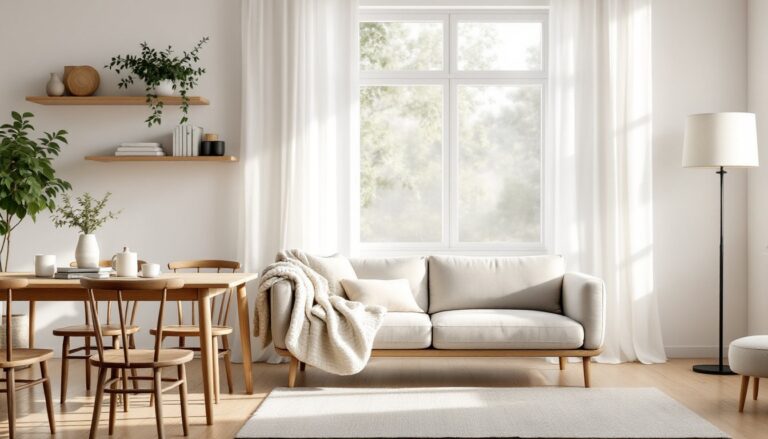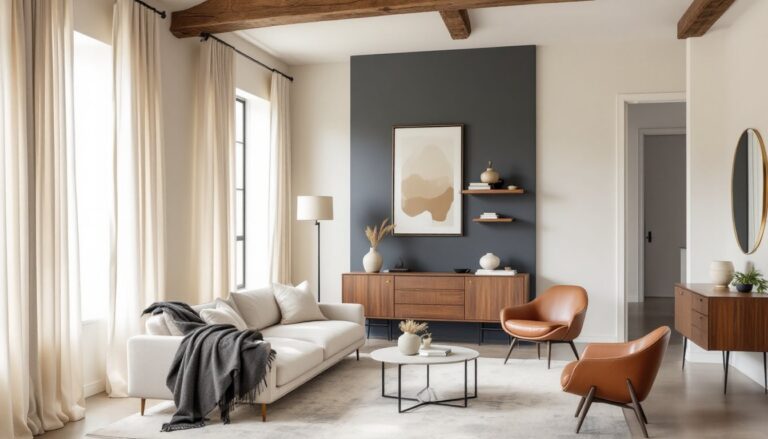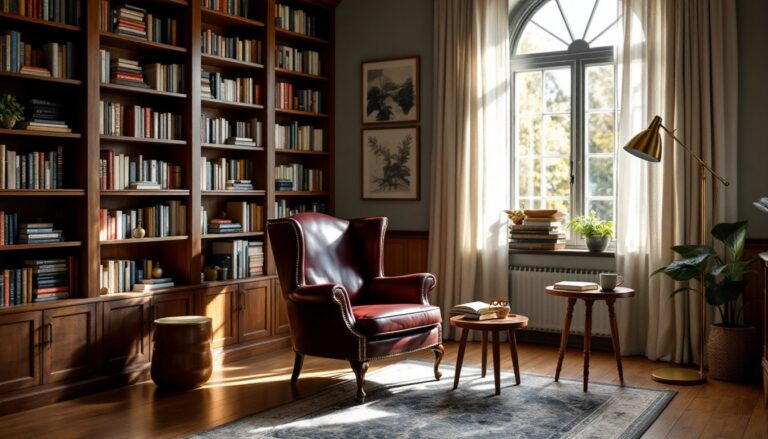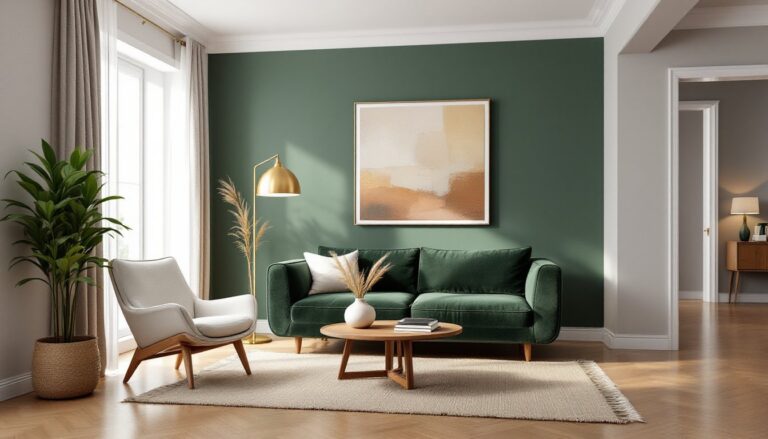
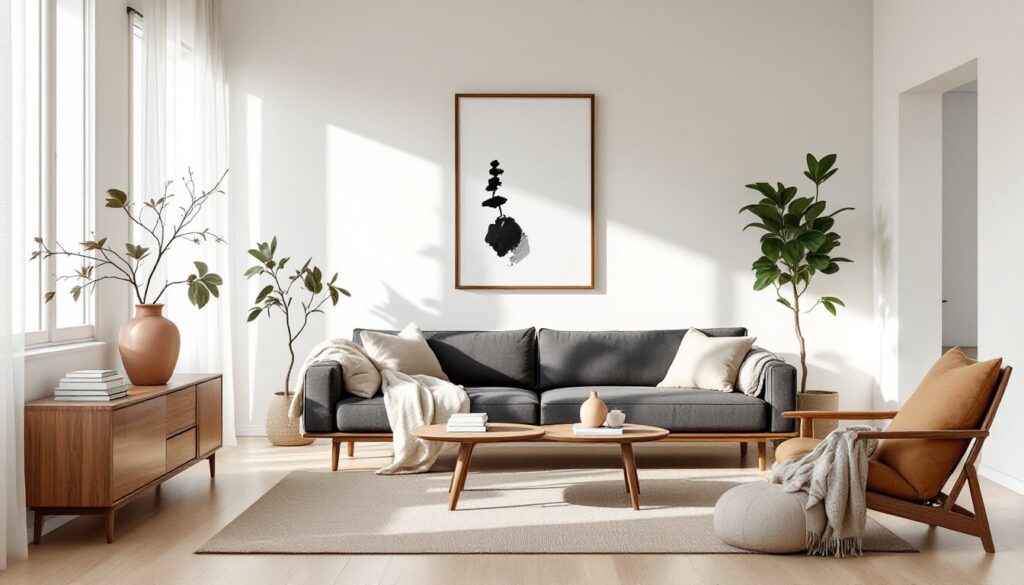
The tension between stark minimalism and genuine comfort has frustrated homeowners for years. Cold, clinical spaces often feel uninhabitable, while cozy rooms quickly spiral into visual clutter. Modern Japandi interior design solves this problem by merging Japanese simplicity with Scandinavian warmth, two design philosophies that share surprising common ground. This hybrid style prioritizes function without sacrificing atmosphere, creating rooms that feel both organized and lived-in. Unlike design trends built on fleeting aesthetics, Japandi’s foundation in natural materials and intentional restraint gives it staying power well into 2026 and beyond.
Table of Contents
ToggleKey Takeaways
- Modern Japandi interior design merges Japanese simplicity with Scandinavian warmth to create organized, lived-in spaces that balance minimalism with genuine comfort.
- Authentic Japandi spaces rely on natural materials like white oak, linen, and ceramic—avoiding synthetic finishes that undermine the style’s commitment to authenticity.
- Use a 60-30-10 color rule: 60% dominant neutral, 30% secondary tone, and 10% accent colors drawn from nature such as terracotta or olive green.
- Furniture selection should prioritize low profiles, honest joinery (mortise-and-tenon construction), and multi-functional pieces that serve both form and practical function.
- Japandi requires rigorous curation of accessories—every visible object should be beautiful or useful—emphasizing handmade ceramics and organic textures over mass-produced decorative items.
- Lighting and natural elements, from warm LED bulbs at 2700-3000K to minimal plant arrangements, prevent modern Japandi interior design from feeling cold or sterile while maintaining visual calm.
What Is Modern Japandi Interior Design?
Japandi combines wabi-sabi, the Japanese appreciation for imperfection and natural aging, with hygge, the Scandinavian concept of coziness and well-being. Both traditions emphasize craftsmanship, natural light, and decluttered spaces, but they arrive from different cultural origins.
The Japanese influence brings low-profile furniture, sliding shoji-inspired panels, and an almost meditative restraint. Scandinavian elements add textured textiles, lighter wood tones like ash or birch, and functional pieces designed for long northern winters. The result is a style that feels grounded rather than austere.
Modern iterations in 2026 incorporate slightly warmer neutrals than earlier versions, think oatmeal, taupe, and soft greige instead of stark white. Designers are also embracing subtle curves in furniture profiles, moving away from rigid right angles without abandoning clean lines. This evolution reflects a broader shift toward approachable minimalism that doesn’t demand perfection from its inhabitants.
Core Elements of Modern Japandi Style
Natural Materials and Textures
Authentic Japandi spaces rely on unfinished or lightly finished materials that show their origin. White oak flooring with visible grain, handwoven linen curtains, and ceramic vessels with irregular glazes all reinforce the connection to natural processes.
Wood appears in multiple forms throughout a room, structural beams, furniture frames, and accent pieces, but variety in tone and texture prevents monotony. Pair light ash dining chairs with a walnut credenza, or combine matte-finished cabinetry with live-edge shelving. The organic textures found in cozy interiors translate well here, though Japandi maintains stricter editing.
Textile choices matter as much as hard materials. Linen, cotton, jute, and wool bring tactile warmth without pattern overload. A chunky knit throw or bouclé accent chair adds dimension, while paper lanterns or bamboo blinds introduce lightweight contrast to heavier wood elements.
Avoid synthetic finishes or materials that try too hard to mimic natural ones. Laminate that pretends to be wood grain or polyester “linen-look” fabric undermines the style’s commitment to authenticity.
Neutral Color Palettes With Subtle Warmth
Japandi’s palette centers on earth tones and muted neutrals, beige, sand, charcoal, soft black, and cream form the foundation. Accent colors come from nature: terracotta, rust, olive green, or deep indigo appear sparingly in pottery, textiles, or a single statement piece.
Paint walls in warm whites like Swiss Coffee or Alabaster rather than cool grays. These undertones prevent spaces from feeling sterile, especially in rooms with limited natural light. Trim and molding can match wall color or go slightly darker for subtle definition without high contrast.
Color application follows the 60-30-10 rule: 60% dominant neutral (walls, large furniture), 30% secondary tone (upholstery, rugs), and 10% accent (pillows, art, ceramics). This distribution maintains visual calm while preventing blandness. Unlike the starkness sometimes associated with industrial interior schemes, Japandi leans into softness even within its restrained palette.
How to Create a Modern Japandi Living Space
Start with spatial editing. Remove furniture that doesn’t serve a clear function or bring genuine joy, this isn’t about owning less for its own sake, but about giving each piece room to breathe. Aim for 18-24 inches of clearance around major furniture pieces to maintain flow.
Flooring should be simple and continuous. If replacing floors isn’t in the budget, area rugs in natural fiber help unify mismatched flooring. Jute, sisal, or wool rugs in solid neutrals work better than patterned options. Size rugs generously, front furniture legs should rest on the rug, not float in front of it.
Wall treatments remain minimal. Skip the gallery wall. Instead, hang one or two pieces of art with substantial negative space around them. Black-and-white photography, abstract ink paintings, or simple line drawings suit the aesthetic better than busy prints. Position art at 57-60 inches center height, standard gallery placement that works in most residential spaces.
Storage stays hidden or becomes part of the design. Built-in cabinetry with slab-front doors (no raised panels or ornate hardware) conceals everyday clutter. Open shelving displays only curated objects, a few ceramics, a small plant, stacked books with spines coordinated by color.
Lighting layers matter. Combine ambient ceiling fixtures with task lighting and accent pieces. Paper pendant lights, ceramic table lamps with linen shades, and wood-framed floor lamps all fit the vocabulary. Dimmer switches on all circuits let homeowners adjust atmosphere throughout the day.
Choosing Furniture for a Japandi Aesthetic
Furniture selection hinges on low profiles and honest joinery. Platform beds sit close to the ground, dining tables measure 28-30 inches tall (standard height) but feel grounded through thick tops and minimal aprons. Look for visible joinery like mortise-and-tenon or dovetail construction rather than hidden hardware.
Seating should balance form with actual comfort. Mid-century modern pieces often align with Japandi principles, think Wegner-style chairs or simple track-arm sofas. Upholstery in neutral linen or wool keeps things soft, while wooden legs maintain visual lightness. Avoid overstuffed furniture with thick rolled arms or tufted backs.
Storage pieces double as room dividers. A low credenza can separate living and dining areas in an open floor plan without blocking sightlines. Opt for pieces in solid wood or wood veneer over particleboard, the difference shows in weight, durability, and how edges age.
Multi-functional furniture earns its keep in smaller homes. Nesting tables, ottomans with interior storage, and extendable dining tables serve Japandi’s practical roots. Japanese tansu chests with multiple small drawers or Scandinavian modular shelving systems like String provide storage without bulk.
Consider proportions carefully in condo spaces, where oversized furniture overwhelms rooms. Measure doorways and hallways before buying anything that needs assembly inside the room, a 38-inch-deep sofa won’t navigate a 36-inch hallway turn.
New furniture doesn’t have to mean expensive. Mid-range retailers now offer Japandi-aligned pieces in solid oak or walnut veneer at accessible price points. Vintage and secondhand sources often yield better-quality older pieces than new budget options. Inspect joinery, check for solid wood construction, and verify drawer glides work smoothly before purchasing used items.
Lighting and Accessories That Complete the Look
Lighting defines Japandi spaces as much as furniture. Natural light takes priority, remove heavy curtains or swap them for sheer linen panels that diffuse rather than block sunlight. If privacy requires window coverage, consider top-down/bottom-up shades that expose upper windows while screening lower portions.
Artificial lighting should mimic daylight’s quality. LED bulbs in 2700-3000K (warm white) range prevent the blue-toned harshness of cooler temperatures. Avoid the temptation to use only overhead lighting. Table lamps, floor lamps, and wall sconces create pools of light at human scale rather than flooding rooms uniformly.
Pendant lights work above dining tables and kitchen islands. Paper lanterns like akari or washi-covered fixtures soften light beautifully, though they require careful placement away from moisture. Wood-slat pendants or simple ceramic dome shades offer durability with similar aesthetic effect, as seen in many contemporary design platforms.
Accessories require rigorous curation. The rule: every visible object should be beautiful, useful, or both. Handmade ceramics, a single sculptural vase, or a wooden tray for corralling remotes all qualify. Mass-produced decorative objects with no function, resin bookends shaped like animals, wire word art, decorative balls in bowls, don’t make the cut.
Greenery adds life without pattern. Single-variety plants in simple pots work better than mixed arrangements. Fiddle-leaf figs, snake plants, or pothos in unglazed terracotta or matte ceramic containers suit the style. Group plants in odd numbers (one, three, five) and vary heights for visual interest.
Textiles layer in warmth. A linen throw over a sofa arm, wool pillow covers in solid tones, or a sheepskin draped over a bench all soften hard surfaces. Keep patterns minimal, subtle stripes, organic textures, or the natural weave of fabric provide enough visual interest. The warmth achieved through blending materials and textures becomes key to preventing minimalism from feeling cold.
Wall decor stays intentional. Floating shelves in natural wood hold a rotating display of ceramics or small art objects. Mirrors with simple wood frames expand light and space. Avoid ornate frames, busy prints, or motivational text art. When considering broader interior design approaches, Japandi’s restraint stands out for its long-term livability.
Finishing touches acknowledge imperfection. A ceramic bowl with an asymmetric rim, a wooden cutting board with visible knots, or linen napkins with slight color variation all honor wabi-sabi’s acceptance of natural flaws. These aren’t defects to hide but characteristics that prove something was made by hand, not machine. Resources like homify’s design galleries showcase how these principles manifest in completed rooms, though the best Japandi spaces reflect their inhabitants rather than catalog perfection.