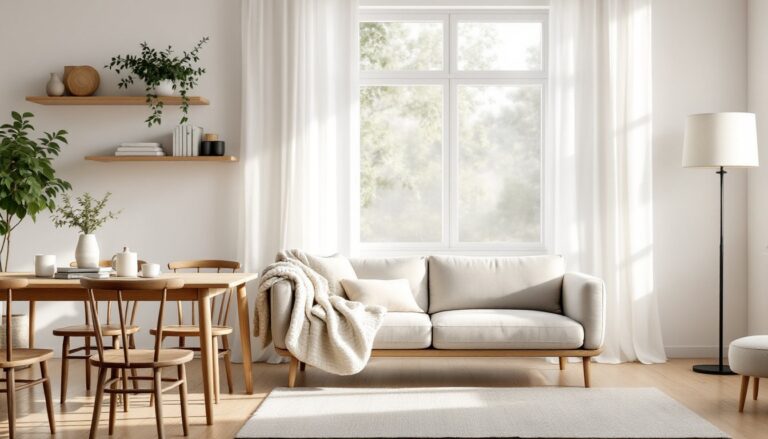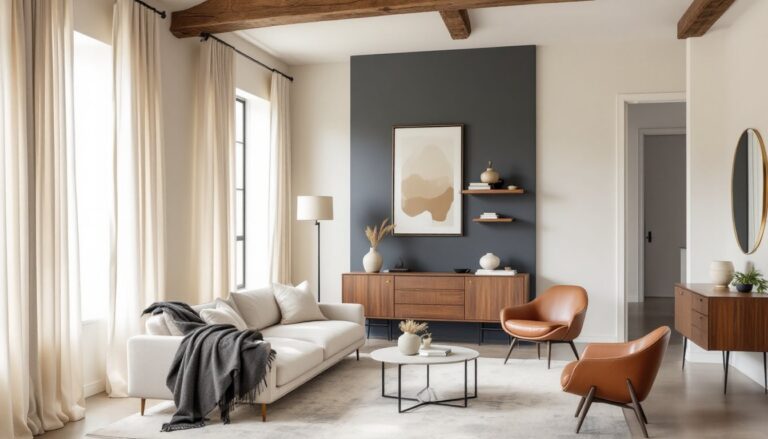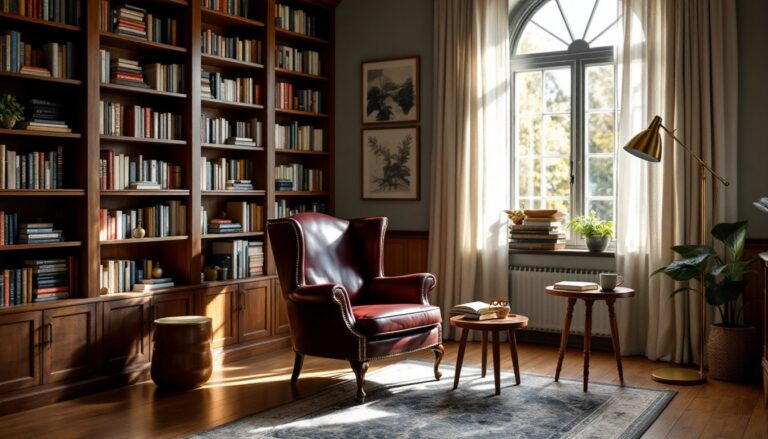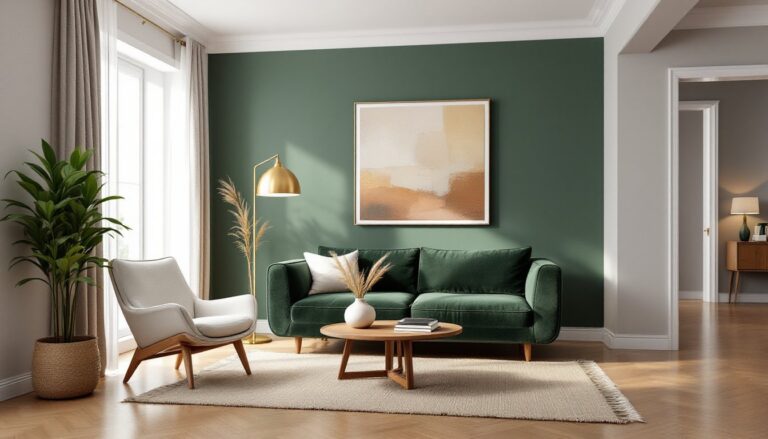
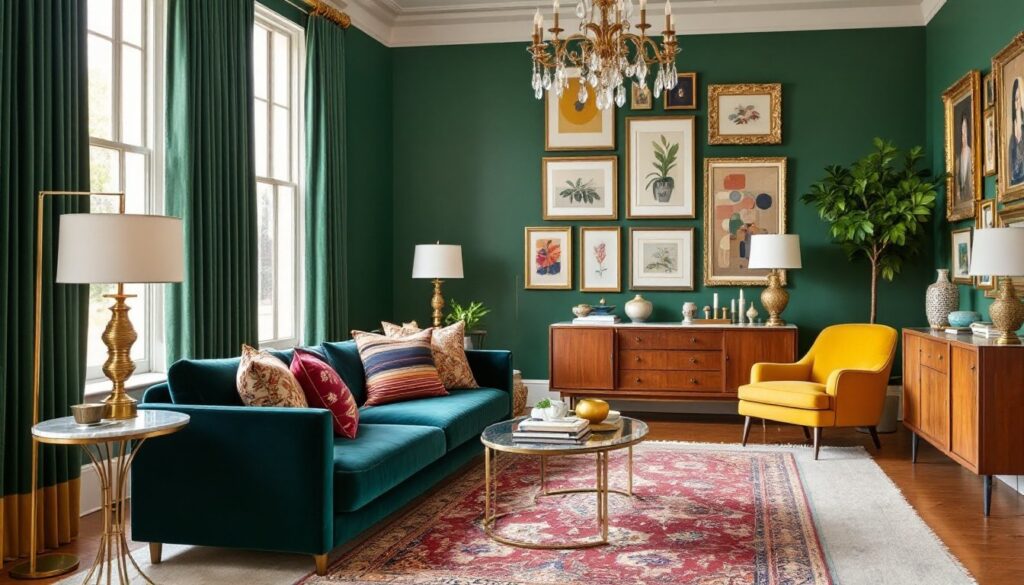
Maximalist interior design flips minimalism on its head. Instead of stark white walls and sparse furniture, this approach celebrates abundance, personality, and visual richness. It’s not about tossing random items into a room and calling it decorated, maximalism requires intentional layering, bold color decisions, and a clear understanding of composition. Whether someone’s transforming a single room or an entire house, the maximalist approach demands confidence and a willingness to break free from the “less is more” mentality that’s dominated design trends for years. This guide walks through the fundamentals of maximalist design with practical steps anyone can follow.
Table of Contents
ToggleKey Takeaways
- Maximalist interior design celebrates abundance and personality through intentional layering of colors, patterns, and textures—not random clutter, making it a deliberate design approach that demands confidence and clear composition.
- Start your maximalist transformation with a single room, inventory existing items, and build a color palette using the 60-30-10 rule, while testing paint samples and pattern combinations before committing to materials.
- Successful maximalist spaces maintain visual hierarchy through varied pattern scales (limiting 3-4 patterns per sight line), strategic focal points, and unifying elements like repeated hues or motifs that tie disparate pieces together.
- Layer textures and materials by mixing hard and soft surfaces, using varied rugs with carpet tape, and combining functional window treatments with decorative hardware to add depth without creating visual chaos.
- Avoid common maximalist mistakes: oversized furniture in small spaces, buying everything at once instead of building collections gradually, neglecting layered lighting, and skipping proper wall preparation for bold paints and wallpapers.
- Maximalist interior design works across all room types—living rooms with gallery walls, kitchens with patterned tile backsplashes, bedrooms with layered textiles, and home offices—making it a purely decorative DIY-friendly style requiring no structural permits or professional architecture involvement.
What Is Maximalist Interior Design?
Maximalist interior design embraces the philosophy that more is, in fact, more. This style layers colors, patterns, textures, and objects to create visually dense, personality-rich spaces. Unlike cluttered rooms that feel chaotic, maximalism follows deliberate design principles, every item serves a purpose, whether functional or aesthetic.
The approach emerged as a reaction to minimalism’s clinical restraint. Where minimalism strips away, maximalism adds with intention. Think gallery walls that cover entire surfaces, shelves packed with curated collections, and furniture upholstered in bold fabrics. According to Architectural Digest, this style has gained traction among homeowners seeking spaces that reflect individual taste rather than following safe, neutral trends.
Maximalism doesn’t mean ignoring scale, proportion, or balance. A well-executed maximalist room maintains visual hierarchy through strategic placement of focal points. Large-scale art might anchor one wall, while smaller decorative objects cluster on surfaces below. Color palettes can be wild, but they’re rarely random, successful maximalist spaces often use a unifying element, whether that’s a repeated hue, material, or motif that ties disparate pieces together.
Key Principles of Maximalist Decor
Layering is fundamental. Maximalist spaces build depth through overlapping rugs, stacked artwork, and mixed furniture styles. A room might feature a vintage Persian rug layered over wall-to-wall carpet, or a mid-century credenza paired with contemporary art and antique accessories. Each layer adds visual interest without creating clutter.
Color saturation matters. Unlike minimalist schemes that rely on whites and grays, maximalism thrives on saturated jewel tones, rich earth colors, and unexpected combinations. Emerald green velvet sofas, burnt orange accent walls, and cobalt blue tile backsplashes all have a place. The key is committing to the palette, tentative half-measures read as indecision rather than design.
Pattern mixing requires structure. Successful pattern combinations follow loose rules: vary the scale (large florals with small geometrics), limit the number of patterns in direct sight lines to three or four, and ensure at least one shared color appears across patterns. A room might combine striped curtains, floral upholstery, and geometric throw pillows, all sharing undertones of burgundy and gold.
Collections become design features. Vintage cameras, ceramic vessels, or botanical prints transform from random items into cohesive displays when grouped intentionally. Display collections in odd-numbered arrangements (groups of three, five, or seven read more naturally to the eye) and consider how lighting will highlight them. Even utilitarian items like cooking tools can become decorative when properly curated and displayed in luxury kitchen design spaces.
Negative space still exists. Even maximalist rooms need breathing room. This doesn’t mean empty walls, but rather intentional pauses between visual elements. A densely decorated living room might leave floor space clear near doorways, or balance a heavily adorned wall with simpler adjacent surfaces.
How to Start Your Maximalist Transformation
Begin with one room rather than attempting a whole-house overhaul. Living rooms and bedrooms work well for first-time maximalists since they’re personal spaces where bold choices feel less risky. Assess the room’s existing architecture, crown molding, built-in shelving, or interesting door casings provide natural focal points to build around.
Inventory what’s already owned before buying new items. Many people discover they already have the foundation for maximalist decor hidden in closets or storage. That inherited china set, collection of vintage frames, or stack of colorful textiles can anchor a maximalist scheme when displayed rather than stored.
Choosing Colors and Patterns That Work Together
Start with a base color pulled from an existing element, a favorite piece of art, an inherited rug, or even wallpaper. Build the palette by selecting two to four additional colors that appear in varying proportions throughout the room. The 60-30-10 rule (60% dominant color, 30% secondary, 10% accent) still applies, though maximalist spaces often push that 10% accent color harder than minimalist schemes would.
Test paint samples on multiple walls since natural light varies throughout the day. Maximalist paint colors often look different under morning versus evening light. Benjamin Moore and Sherwin-Williams both offer sample sizes (typically 8 oz. containers covering about 16 square feet) that let homeowners test bold hues without committing to full gallons.
For pattern mixing, photograph potential combinations on a smartphone. Seeing fabrics and wallpapers together in a digital image often reveals whether patterns complement or compete. Designers working on maximalist living room ideas often recommend keeping pattern scales varied, if using large-scale florals on upholstery, balance with smaller geometric or textured patterns on pillows.
Wallpaper delivers maximum impact in maximalist spaces. Grass cloth, flocked velvet, or metallic-printed papers add texture beyond flat paint. Installation requires careful surface prep, walls must be smooth, primed with oil-based primer if covering dark colors, and properly measured to account for pattern repeats. Most bold patterns have repeats ranging from 12 to 36 inches, affecting material calculations. Budget for 15% overage to account for pattern matching and errors.
Layering Textures and Materials
Texture creates visual interest even within a single color family. A monochromatic maximalist room might layer linen curtains, velvet upholstery, silk pillows, and a wool rug, all in varying shades of the same hue. The material differences catch light differently, preventing the space from reading flat.
Mix hard and soft surfaces deliberately. Rooms dominated by upholstered furniture benefit from hard elements like brass side tables, ceramic lamps, or marble accessories. Conversely, spaces with predominantly wood and metal furniture need soft textiles to prevent an industrial feel inappropriate for most homes (unless pursuing industrial interior aesthetics).
Window treatments offer layering opportunities. Combine functional blinds or shades with decorative curtains. Hardware matters, wrought iron, brushed brass, or lucite rods contribute to the maximalist effect. Install curtain rods 4-6 inches above window frames and extend them 8-12 inches beyond each side to make windows appear larger and allow full light when curtains are open.
Rug layering works best with thin vintage rugs over low-pile base rugs or wall-to-wall carpet. Avoid layering thick pile rugs, which create tripping hazards and don’t lay flat. Secure layered rugs with rug pad or carpet tape rated for the flooring type to prevent shifting.
Common Maximalist Design Mistakes to Avoid
Ignoring scale sinks many maximalist attempts. Oversized furniture in small rooms creates cramped spaces regardless of decorative abundance. Measure room dimensions and furniture pieces carefully, leave at least 30-36 inches of clearance for primary walkways. In tight spaces, consider condo interior design principles that maximize function while maintaining visual richness.
Buying everything at once leads to incoherent results. Maximalism benefits from accumulated collections developed over time. Pieces acquired gradually tend to reflect genuine taste rather than rushed purchasing decisions. Set a timeline of several months to a year for completing a maximalist room transformation.
Neglecting lighting creates dark, oppressive spaces. Layered decor can block natural light and create shadows. Compensate with multiple light sources at different heights, overhead fixtures, table lamps, floor lamps, and even picture lights ensure the room stays bright enough to appreciate all the visual detail. Aim for 50-75 lumens per square foot in living areas, higher in task-oriented spaces.
Forgetting about maintenance creates future headaches. Dense collections gather dust. Upholstered furniture in bold fabrics shows stains. Factor cleaning into design decisions, Crypton or Sunbrella fabrics offer stain resistance without sacrificing visual appeal. Glass shelving displays collections while simplifying dusting compared to wood shelves.
Skipping architectural prep shows through bold finishes. Maximalist paint colors and wallpapers highlight wall imperfections. Fill holes with spackle or joint compound, sand smooth with 150-grit sandpaper, and prime before painting. Wallpaper installation requires even more careful surface prep, any bumps or texture will telegraph through paper.
Maximalist Design for Different Room Types
Living rooms accommodate maximalism naturally since they’re designed for displaying personality. Start with a statement sofa in bold upholstery, then layer with mix-and-match throw pillows (minimum four, maximum eight for a standard three-seater). Gallery walls work well over sofas, use a variety of frame styles and artwork sizes, maintaining 2-3 inches between frames. Many homeowners find inspiration in Reddit interior design communities when planning maximalist living room layouts.
Kitchens present unique challenges since function can’t be sacrificed for aesthetics. According to Elle Decor’s maximalist kitchen feature, successful maximalist kitchens layer pattern through tile backsplashes, colorful cabinetry, and open shelving that displays dishware collections. Ensure adequate task lighting (100 lumens per square foot minimum) since decorative elements can create shadows over work surfaces. Upper cabinets with glass fronts showcase curated dish collections while maintaining storage function.
Bedrooms benefit from maximalist textiles. Layer a duvet, coverlet, and throw blanket in complementary patterns. Add four to six pillows in varied sizes and fabrics. Maximalist bedrooms can handle bold wallpaper since they’re personal spaces, but consider limiting intense patterns to one or two walls if the room is small (under 150 square feet).
Bathrooms offer unexpected maximalist opportunities. Patterned tile (cement encaustic tiles or glazed ceramics) creates permanent maximalist impact. Wallpaper works in powder rooms and half-baths: use vinyl-coated or non-woven papers rated for high-moisture areas in full bathrooms. Those familiar with modern art deco interior principles will recognize how geometric tile patterns and brass fixtures complement maximalist sensibilities.
Home offices work well for maximalism since these spaces reflect personal taste without needing to please others. Bold wallpaper, packed bookshelves, and collections of objects don’t create the visual chaos they might in shared spaces. Ensure the desk area itself maintains organization, maximalist surroundings shouldn’t interfere with functional work surfaces.
For anyone unsure whether maximalism requires professional input, consider that this style differs from interior architecture vs interior design discussions about structural changes, maximalist transformation is purely decorative and well within DIY capabilities. No permits required, no structural modifications necessary. Just confidence, patience, and a willingness to embrace abundance.