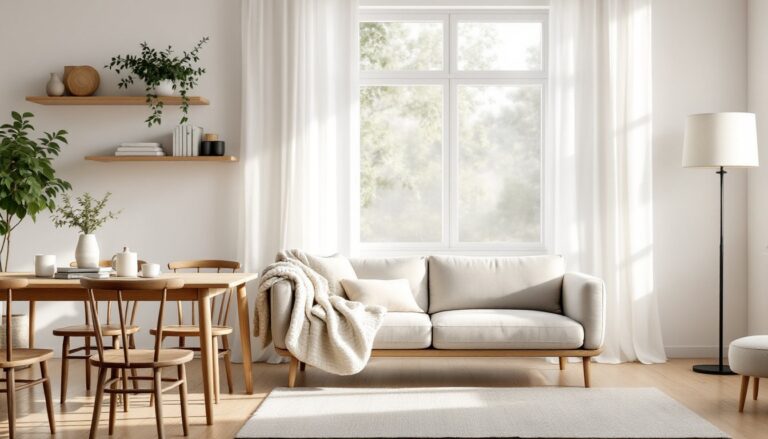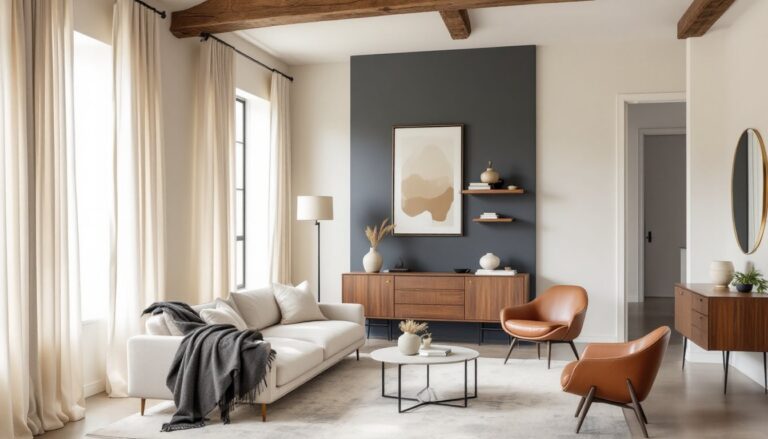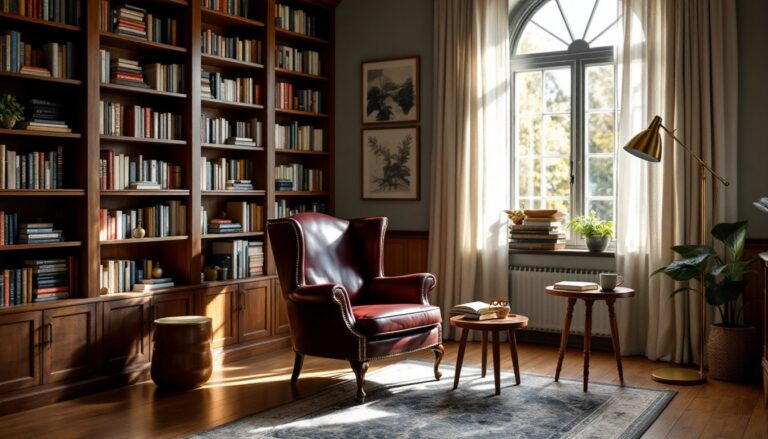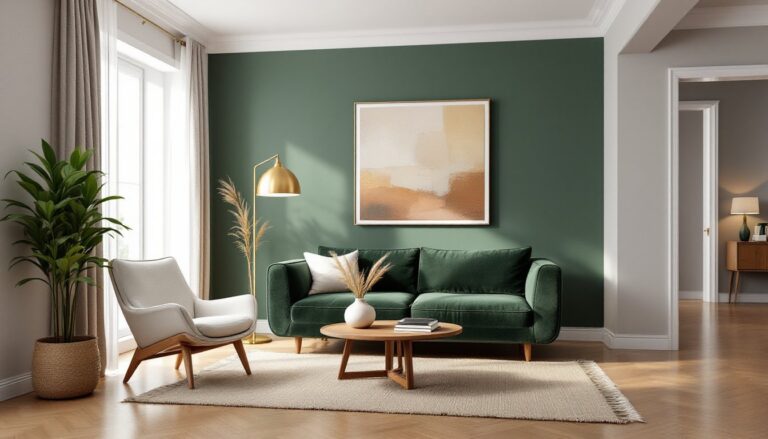

Interior design isn’t just about picking pretty throw pillows and coordinating paint swatches, it’s a skilled profession combining spatial planning, building codes, client management, and creative problem-solving. Whether someone’s drawn to residential makeovers or large-scale commercial spaces, the field offers diverse career paths with solid earning potential. The barrier to entry has shifted in recent years, with alternative credentials and portfolio-driven hiring opening doors alongside traditional degrees. This guide breaks down what interior designers actually do day-to-day, the different specializations available, essential skills needed, realistic paths to break in, and what to expect for salary and growth in 2026’s market.
Table of Contents
ToggleKey Takeaways
- Interior design jobs blend creative vision with technical expertise, requiring proficiency in CAD software, building codes, space planning, and project management across residential and commercial specializations.
- Entry into interior design jobs no longer requires a four-year degree—portfolio-driven hiring, certificate programs, and self-taught paths with real project experience now open doors alongside traditional CIDA-accredited programs.
- Salaries for interior design jobs range from $38,000–$48,000 for entry-level positions to $90,000–$120,000+ for senior designers in major markets, with commercial roles typically offering more stability than residential freelance work.
- Commercial interior design demands specialized knowledge of fire codes, ADA compliance, and durability standards, while residential design emphasizes client relationships and custom solutions for homes and renovations.
- Success in interior design jobs depends on building a strong professional network through ASID or IIDA membership, mastering software like AutoCAD and SketchUp, and documenting portfolio work with professional photography to attract clients.
What Does an Interior Designer Actually Do?
Interior designers plan and execute functional, safe, and aesthetically cohesive spaces. The work goes far beyond selecting furniture, it involves space planning, understanding building codes and accessibility standards (like ADA compliance), coordinating with contractors and architects, and managing project timelines and budgets.
A typical project starts with client consultations to define needs, style preferences, and budget constraints. Designers measure existing spaces, draft floor plans (often using CAD software), and create design concepts with mood boards, material samples, and 3D renderings. They specify everything from wall finishes and lighting fixtures to custom millwork details and furniture layouts.
The technical side includes reading blueprints, understanding structural limitations (load-bearing walls, ceiling joist spans), selecting code-compliant materials for commercial projects, and coordinating trades during installation. Designers often source products from trade showrooms, negotiate with vendors, and oversee installations to ensure the vision translates correctly.
Many designers also handle permitting for renovations affecting plumbing, electrical, or structural elements, though they typically work alongside licensed contractors for execution. Projects using online inspiration platforms for initial concepts still require professional oversight to navigate real-world constraints like HVAC placement, electrical capacity, and fire safety codes.
Daily tasks vary wildly: one morning might involve site visits to verify measurements, afternoons reviewing fabric samples with clients, and evenings drafting proposals or managing vendor invoices. It’s a blend of creative vision, project management, and technical know-how.
Types of Interior Design Jobs You Can Pursue
The field splits into several distinct tracks, each requiring different skills and offering unique challenges.
Residential Interior Designer
Residential designers work on private homes, everything from single-room refreshes to whole-house renovations and new construction projects. They’re intimately involved in clients’ personal lives, balancing aesthetics with practical needs like storage, kid-friendly materials, and budget realities.
Projects range from kitchen and bath remodels (which demand knowledge of plumbing rough-ins, cabinet standards, and appliance clearances) to master suite additions and basement conversions. Residential work often involves frequent client interaction, managing expectations around timelines and costs, and coordinating multiple trades.
Many residential designers start as solopreneurs or join small design firms. They build portfolios through word-of-mouth referrals, social media showcases, and local project features. The work is relationship-driven, clients hire based on style alignment and trust. Those interested in showcasing finished projects often use a professional interior design portfolio to attract new clients.
Income typically comes from design fees (hourly rates, flat fees, or percentage of project cost) plus markups on furnishings and materials. Successful residential designers develop strong vendor relationships to access trade pricing and exclusive lines.
Commercial Interior Designer
Commercial designers tackle offices, restaurants, hotels, retail stores, healthcare facilities, and institutional spaces. These projects operate on larger scales, stricter code requirements, and tighter coordination with architects, engineers, and building officials.
Commercial work demands expertise in fire-rated materials, egress planning, ADA compliance, and often sustainability certifications like LEED. Designers specify durable, high-traffic materials, commercial-grade carpet tiles, wall protection systems, acoustical ceiling tiles, and coordinate with MEP (mechanical, electrical, plumbing) engineers on lighting layouts and HVAC integration.
Team environments are common: commercial designers often work for large firms with specialized departments. Projects move through formal phases: programming, schematic design, design development, construction documents, and construction administration. Proficiency in AutoCAD, Revit, or SketchUp is typically expected.
Commercial designers may also specialize further, hospitality design focuses on hotels and restaurants, healthcare design addresses infection control and patient safety, and workplace design optimizes layouts for productivity and collaboration. Design trends tracked by architecture and real estate publications often influence commercial project direction.
Salaries in commercial design tend to be higher and more stable than residential, with benefits and structured advancement paths within firms.
Essential Skills and Qualifications Needed
Interior design blends hard technical skills with soft interpersonal abilities. On the technical side, proficiency in design software is non-negotiable, most employers expect competency in AutoCAD for drafting, SketchUp or Revit for 3D modeling, and Adobe Creative Suite (Photoshop, InDesign) for presentations.
Understanding building codes and accessibility standards keeps projects legal and safe. Designers need working knowledge of the International Building Code (IBC), International Residential Code (IRC), and Americans with Disabilities Act (ADA) guidelines. Commercial projects often require familiarity with fire safety codes, egress requirements, and occupancy classifications.
Space planning skills involve translating client needs into functional layouts, accounting for traffic flow, furniture clearances (minimum 36″ walkways, 42″ for ADA), and activity zones. This requires strong spatial reasoning and the ability to visualize three-dimensional relationships from two-dimensional plans.
Material knowledge separates amateurs from professionals. Designers must understand substrate compatibility (you can’t install luxury vinyl plank directly over unleveled concrete), finish durability (commercial spaces need abrasion-resistant fabrics rated for 30,000+ double rubs), and maintenance requirements.
On the soft skills side, client communication tops the list. Designers translate abstract preferences into concrete plans, manage expectations around budgets and timelines, and navigate disagreements diplomatically. Project management skills, scheduling, budgeting, vendor coordination, keep complex jobs on track.
Formal qualifications vary. Many positions prefer or require a bachelor’s degree in interior design from a CIDA-accredited program (Council for Interior Design Accreditation). These programs cover design theory, technical drafting, building systems, and often include internship requirements.
Some states require licensure to practice interior design, particularly for commercial work. The NCIDQ exam (National Council for Interior Design Qualification) is the industry standard credential, requiring education plus work experience to sit for the test. Exploring different specializations helps clarify which credentials align with career goals.
But, credentials aren’t the only path, portfolio strength and demonstrated competency increasingly matter, especially in residential design.
How to Break Into Interior Design (With or Without a Degree)
Traditional entry involves a four-year interior design degree from a CIDA-accredited program, followed by internships or junior designer roles to gain experience toward NCIDQ eligibility. Graduates typically start as assistant designers, handling drafting, material sourcing, and client coordination under senior supervision.
But alternative paths exist. Certificate programs and online courses from schools like NYSID (New York School of Interior Design) or community colleges offer concentrated training in 6-18 months. These work well for career changers with transferable skills in architecture, graphic design, or construction.
Self-taught designers build credibility through portfolio work and specialization. Start by taking on small residential projects, friends’ homes, rental staging, small office refreshes, to develop a body of work. Document everything with professional photography (hire a real estate photographer for finished shots).
Master design software through platforms like LinkedIn Learning or YouTube tutorials. Focus on AutoCAD for technical plans and SketchUp for client-facing 3D models. Many self-taught designers specialize in niches where portfolio matters more than credentials, e-design (virtual design services), styling for real estate or photography, or specific aesthetics like industrial interiors or coastal styles.
Networking accelerates any path. Join local ASID (American Society of Interior Designers) or IIDA (International Interior Design Association) chapters for education, mentorship, and job boards. Attend industry events like NeoCon or regional design markets to connect with vendors and potential employers.
Internships, even unpaid or part-time, provide invaluable exposure to real project workflows. Small design firms, home staging companies, furniture showrooms, and architectural offices all offer learning opportunities. Offer to assist with CAD work, sample libraries, or social media content in exchange for mentorship.
For those interested in commercial work without a degree, consider adjacent entry points: start as a showroom consultant for contract furniture dealers, work in procurement for corporate facilities departments, or join a construction firm’s design-build team. These roles build industry knowledge and connections that can transition into designer positions.
Freelance platforms like Decorilla or Havenly offer opportunities to build portfolios through e-design projects with structured support. While pay is modest initially, these services provide client access and project management frameworks for beginners. Resources on cost estimation platforms help freelancers price services competitively.
What to Expect: Salary, Work Environment, and Career Growth
Compensation varies widely by specialization, location, and experience. According to 2026 data, entry-level interior designers typically earn $38,000-$48,000 annually in salaried positions. Mid-career professionals with 5-10 years’ experience average $55,000-$75,000, while senior designers and design directors in major metro markets can exceed $90,000-$120,000.
Freelance and firm-owner income fluctuates more dramatically. Successful residential designers often earn $60,000-$100,000+ annually through design fees and product markups, but income depends on project flow and client base. Commercial designers at large firms typically see steadier paychecks with benefits, though upside potential may be capped without equity stakes.
Geography matters significantly. Designers in New York, San Francisco, Los Angeles, and other high-cost metros command premium rates but face steeper competition and overhead. Mid-sized markets often offer better lifestyle balance with respectable earning potential.
Work environments split between firm-based and independent practice. Large commercial firms provide structured teams, mentorship, benefits, and exposure to major projects, but expect 45-50 hour weeks during deadline crunches and less creative autonomy on individual projects.
Small residential firms or solo practice offers more creative control and direct client relationships, though designers handle everything from bookkeeping to installation troubleshooting. The work-life boundary blurs when clients text on weekends or vendor issues erupt mid-vacation.
Remote work has expanded for certain roles, e-design, CAD drafting, product sourcing, but most positions still require site visits, client meetings, and vendor showroom trips. Hybrid arrangements are increasingly common for drafting and administrative tasks.
Career progression typically flows from junior designer → designer → senior designer → design director or principal. Some branch into specializations like kitchen and bath design (with separate NKBA certification), sustainable design (LEED AP credential), or set design for film and theater.
Others transition into adjacent roles: sales for furniture or material manufacturers, product design for home goods companies, real estate staging, or design journalism and content creation. Teaching at design schools or developing online courses represents another path for experienced practitioners.
The field is projected to grow about 4-6% through 2030, moderately, driven by commercial construction, aging-in-place residential renovations, and sustainable design demand. Competition remains steady, especially for desirable residential projects in popular markets.
Job satisfaction tends to run high among those who thrive on variety, client interaction, and seeing tangible creative results. The work suits problem-solvers who enjoy balancing aesthetics with pragmatic constraints, and who don’t mind occasional 11 pm texts about tile grout color. Developing expertise in specific styles like cozy residential spaces or niche markets like condo design can differentiate designers in competitive markets and command premium fees.