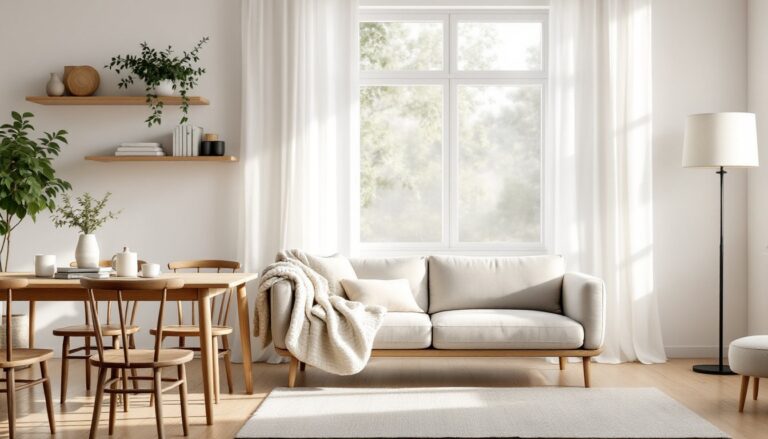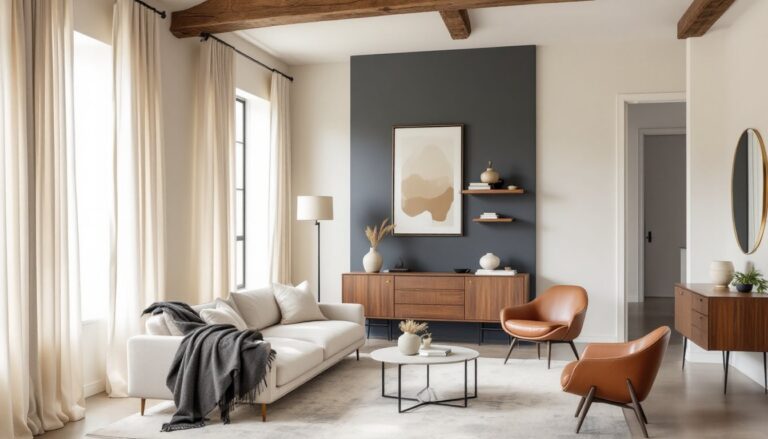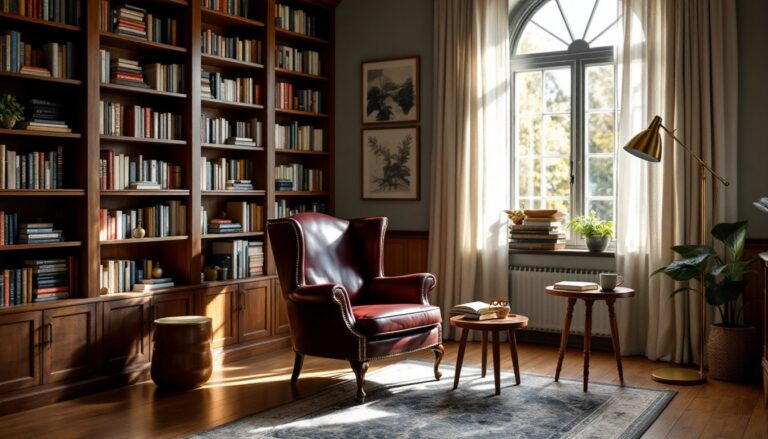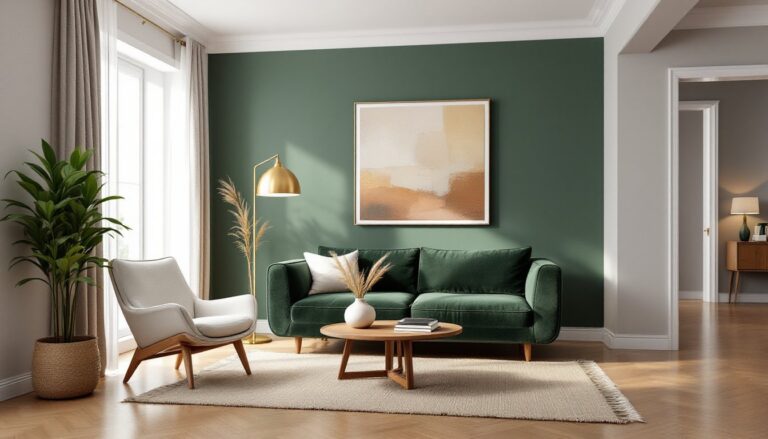
Interior design awards aren’t just trophies for fancy designers, they’re a goldmine for homeowners hunting for real-world project ideas. These competitions showcase the best residential renovations, innovative layouts, and creative problem-solving from professionals worldwide. Whether someone’s planning a kitchen remodel or just looking to freshen up a living room, award-winning projects offer tested, documented inspiration with actual results. Understanding which awards matter and how to mine them for ideas can transform vague Pinterest boards into actionable plans backed by industry expertise.
Table of Contents
ToggleKey Takeaways
- Interior design awards showcase professionally vetted solutions for kitchens, bathrooms, and whole-home renovations, providing homeowners with tested layouts and material combinations that solve real workflow and storage challenges.
- Prestigious competitions like the Andrew Martin Interior Designer of the Year Award and ELLE Decor International Design Awards publish detailed project specs, floor plans, and material breakdowns that homeowners can reference directly for their own renovations.
- Award-winning projects demonstrate proven lighting layers (ambient, task, and accent), smart storage solutions, and accessibility features that improve daily function while maintaining aesthetic appeal without sacrificing livability.
- Regional competitions from ASID and Better Homes & Gardens focus on budget-conscious, accessible designs using readily available materials, making award-winning concepts more achievable for DIY homeowners than high-end examples.
- Study how winning projects use material pairings, floor plan circulation, and multi-functional spaces to solve spatial challenges, then adapt these professional approaches to your specific square footage, budget, and skill level rather than copying designs wholesale.
What Are Interior Design Awards and Why Do They Matter?
Interior design awards recognize excellence in residential, commercial, and hospitality spaces. Professional organizations, design magazines, and industry groups host annual competitions where designers submit completed projects judged by panels of architects, builders, and senior designers. Winners get published, earn bragging rights, and often see a bump in client inquiries.
For DIYers and homeowners, these awards matter because they filter through thousands of projects to highlight what actually works. A kitchen that wins a national award didn’t just look good in photos, it solved real problems like workflow, storage, and lighting while staying within code and budget constraints. These projects document material choices, layout decisions, and finish combinations that survived professional scrutiny.
Award categories typically break down by project type (whole-home renovation, kitchen, bath, outdoor living), budget tier, and square footage. Some competitions focus on sustainable design, adaptive reuse, or historical preservation. Others celebrate innovative use of materials or solving tricky spatial challenges in small homes or condos.
Judging criteria usually include functionality, craftsmanship, innovation, aesthetic cohesion, and how well the design serves the client’s needs. That last point matters most to homeowners, award judges penalize spaces that sacrifice livability for style. A gorgeous modern art deco interior that nobody can actually cook in won’t win top honors.
Major Interior Design Awards Every Homeowner Should Know
Prestigious International Awards
The Andrew Martin Interior Designer of the Year Award, established in 1996, focuses on residential interiors and judges entries from over 70 countries. Winners and shortlisted projects get published in the annual Interior Design Review, which documents material specs, floor plans, and design rationales. This award emphasizes livability and how spaces reflect the occupants’ lifestyle rather than just following trends.
The ELLE Decor International Design Awards (EDIDA) run in multiple countries and recognize both established and emerging designers. Categories include Best Bedroom, Best Kitchen, and Best Use of Color. According to industry publications, past EDIDA winners often set trends in materials and color palettes that filter down to consumer products within 18–24 months.
The A’ Design Award accepts entries across 100+ categories, including furniture, lighting, and interior space design. It’s one of the few competitions that publicly shares detailed project breakdowns, including technical drawings and material specifications. Homeowners can access the winners’ gallery to see how professionals approach common challenges like maximizing storage in small bathrooms or integrating modern systems in historic homes.
The International Design & Architecture Awards celebrate innovation in residential and commercial spaces globally. Judges prioritize sustainability, adaptive reuse, and community impact alongside aesthetics. Recent winning projects have showcased creative solutions like converting shipping containers into livable ADUs (accessory dwelling units) and retrofitting mid-century homes with modern HVAC without compromising original design intent.
Regional and National Design Competitions
The ASID (American Society of Interior Designers) Design Excellence Awards split into chapters across all 50 states, making regional winners particularly relevant for local building codes, climate considerations, and material availability. A kitchen that wins in Florida will address humidity and hurricane codes differently than one in Colorado dealing with dry air and wildfire regulations.
Better Homes & Gardens Stylemaker Awards focus on accessible, budget-conscious design that translates to DIY projects. Categories include Best Small Space and Best DIY Project. Winners typically work within middle-market budgets and use materials available at big-box home centers rather than trade-only resources. This makes the projects more approachable for homeowners tackling their own renovations.
Architectural Digest Design Awards lean toward high-budget residential work but offer valuable lessons in spatial planning and finish combinations. According to industry coverage, these projects often pioneer new applications for materials, like using large-format porcelain slabs as countertops or wall cladding, that become more affordable and accessible within a few years.
Regional shelter magazines and builder associations also run annual competitions. The Chrysalis Awards from the Remodelers Council recognize renovation and remodeling excellence, with detailed before-and-after documentation. These projects must meet strict building codes and often address common homeowner pain points like aging-in-place modifications, energy efficiency upgrades, and foundation or structural repairs bundled with aesthetic improvements.
Many competitions now include sustainability categories. Awards from organizations like USGBC (U.S. Green Building Council) and Living Future Institute spotlight projects that achieve LEED certification, net-zero energy performance, or use reclaimed and low-VOC materials. Understanding how industrial interior styles can incorporate salvaged materials offers both environmental and budget benefits.
How Award-Winning Designs Can Inspire Your Home Projects
Start by identifying projects that match your home’s footprint and budget tier. A 1,200-square-foot bungalow renovation will offer more relevant lessons than a 6,000-square-foot new build. Look for published project details that include square footage, material lists, and budget ranges (even approximate).
Study the floor plans and spatial layouts. Award-winning designs often solve circulation problems, maximize natural light, or create multi-functional spaces. A kitchen that won for accessibility might show how a 5-foot turning radius accommodates wheelchairs, a detail that also makes the space more comfortable for anyone carrying groceries or corralling kids. According to design competitions that focus on universal design, these principles improve daily function for all users.
Pay attention to material pairings and finish combinations. Professional designers test how different woods, metals, and stones work together under various lighting conditions. An award-winning bathroom might pair matte white subway tile with polished brass fixtures and oiled walnut vanity, specific choices that create contrast without clashing. These combinations are proven to photograph well and hold up to daily use.
Look for innovative storage solutions. Winning projects often showcase custom millwork, hidden compartments, or creative use of dead space under stairs or in awkward corners. While custom cabinetry might exceed a DIY budget, the underlying concepts, like pull-out pantries, vertical dividers in deep drawers, or toe-kick drawers, can be adapted using stock components from home centers.
Note the lighting layers. Award-winning interiors typically combine ambient (overhead), task (under-cabinet, reading lamps), and accent (highlighting artwork or architectural features) lighting. Study how designers position fixtures, what color temperature they choose (2700K warm white vs. 3000K neutral), and how they control different layers with dimmers or smart switches. Proper lighting dramatically affects how colors and materials appear throughout the day.
For those considering condo interior design challenges, many award categories specifically address small-space living. These projects demonstrate tricks like using large mirrors to amplify light, floating furniture to preserve sightlines, and multi-functional pieces like murphy beds with integrated desks or dining tables.
Use award project photos to communicate with contractors or designers. A clear reference image eliminates guesswork about desired finishes or spatial relationships. Print photos showing specific tile patterns, grout widths, or cabinet hardware styles. This saves time and reduces the chances of costly misunderstandings during installation.
Consider accessibility and aging-in-place features even if they’re not currently needed. Many award-winning renovations incorporate zero-threshold showers, lever-style door handles, and adequate clearances without sacrificing aesthetics. These details maintain resale value and future-proof the home. The principles apply equally to creating cozy interior design that feels welcoming while remaining functional.
Finally, read the project narratives and designer interviews that accompany award announcements. Professionals often discuss challenges encountered, like working around load-bearing walls, integrating modern HVAC in homes without attic or basement access, or sourcing discontinued tile to match existing installations. These stories reveal problem-solving approaches applicable to similar DIY situations. Understanding the difference between interior architecture and design helps clarify when structural modifications need professional engineering versus purely cosmetic updates a homeowner can tackle.
Conclusion
Interior design awards deliver more than pretty pictures, they provide blueprints for solving real spatial, functional, and aesthetic challenges. By studying how professionals approach common home improvement problems, homeowners gain confidence to tackle their own projects with better planning and smarter material choices. The key is matching award-winning concepts to actual space, budget, and skill level rather than copying them wholesale.