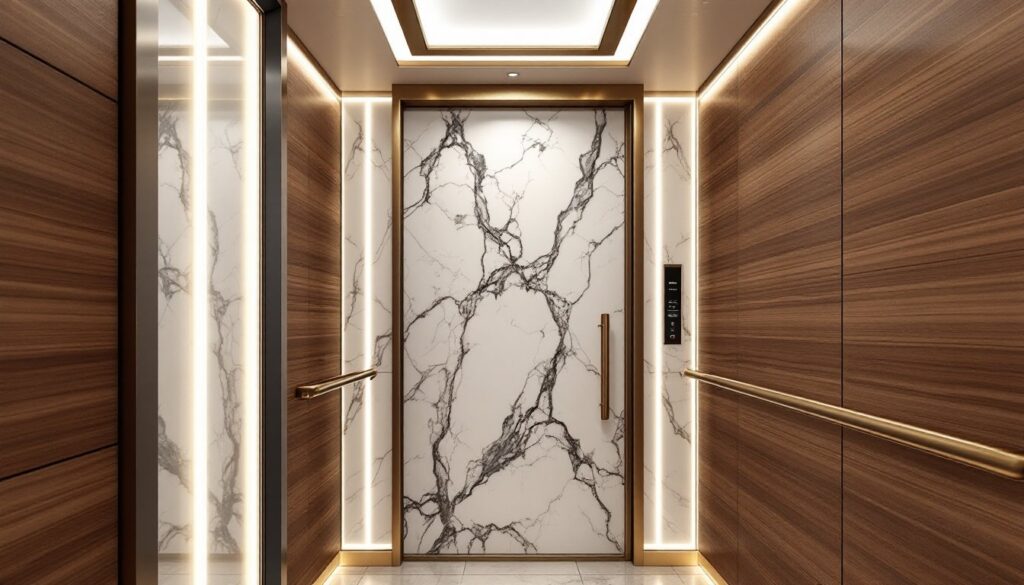
Installing a residential elevator isn’t just about accessibility, it’s an opportunity to add a design element that surprises guests and elevates your home’s aesthetic. Too many homeowners treat elevator cabins as utilitarian afterthoughts, wrapping them in builder-grade beige and calling it done. But a well-designed elevator interior can serve as a vertical gallery, a jewel box transition between floors, or a seamless extension of your home’s style. Whether you’re planning a new installation or refreshing an existing cabin, these design strategies will help turn that 3×4-foot box into something worth the ride.
Table of Contents
ToggleKey Takeaways
- Elevator interior design matters because these compact spaces are highly visible during short rides, and a well-designed cabin significantly impacts your home’s resale value and overall aesthetic impression.
- Minimalist elevator design uses clean lines, neutral palettes, and durable materials like powder-coated steel and luxury vinyl tile to create a contemporary look that complements modern homes without visual clutter.
- Luxury elevator interiors can incorporate stone veneers, engineered wood paneling, and marble accents, but weight calculations are critical to ensure materials don’t exceed elevator load capacity—particularly in retrofit installations.
- Strategic lighting with warm 3000K LED panels and accent strips transforms an elevator interior from a utilitarian box into an ambiance-rich space while meeting safety and code requirements.
- Mirrored or reflective surfaces visually expand elevator cabins, but proper installation with mechanical anchoring and thoughtful placement (such as mirrors on back walls) prevents distortion and maintenance headaches.
- Both minimalist and luxury elevator interior design approaches must comply with safety codes like ASME A17.1, use fire-rated materials, and ensure handrails are mounted 32–38 inches from the floor.
Why Elevator Interior Design Matters in Your Home
A home elevator occupies a unique position in residential design: it’s simultaneously a functional necessity and an enclosed space where design choices are magnified. Unlike a hallway you pass through quickly, an elevator cabin holds occupants for 10–30 seconds in close quarters, making every material choice, lighting fixture, and finish highly visible.
From a practical standpoint, elevator interiors need durable, low-maintenance materials that can withstand daily use without showing wear. Handrails must meet safety codes (typically mounted 32–38 inches from the floor), and all finishes must be fire-rated to comply with local building codes. Most jurisdictions follow the ASME A17.1 Safety Code for Elevators and Escalators, which sets minimum requirements for materials and clearances.
Beyond compliance, thoughtful design choices impact resale value. Buyers touring homes with elevators expect the same level of finish quality they see in the rest of the house. A dated or poorly finished elevator cabin signals deferred maintenance and can raise red flags during inspections. Conversely, a cohesive design that matches or complements surrounding spaces reinforces the home’s overall quality and attention to detail.
The footprint matters too. Most residential elevators range from 12–15 square feet of cabin space. In that confined area, design decisions like color palette, lighting temperature, and material texture have outsized effects on perceived comfort and spaciousness.
Modern Minimalist Elevator Design
Minimalist elevator interiors strip away ornamentation in favor of clean lines, neutral palettes, and high-quality base materials. This approach works especially well in contemporary homes where simplicity and function drive design decisions.
Start with powder-coated steel panels in matte white, charcoal, or soft gray. These finishes are durable, easy to clean, and provide a neutral backdrop that won’t compete with architectural details on each floor. Some manufacturers offer textured metal finishes that add subtle visual interest without pattern or color, think linen-textured steel or brushed aluminum with a horizontal grain.
Flooring in minimalist cabins typically uses luxury vinyl tile (LVT) or rubber flooring in solid colors. LVT offers the look of concrete or stone at a fraction of the weight, which matters when calculating elevator load capacity. Rubber flooring provides excellent slip resistance and comes in monochromatic palettes that align with minimalist aesthetics. Avoid busy patterns or faux-wood grain that disrupts the clean lines.
For hardware and fixtures, choose brushed stainless steel or matte black metal for handrails, control panels, and door frames. Handrails should be simple cylindrical or oval profiles without decorative caps or brackets. Control panels can be flush-mounted with backlit buttons for a streamlined look.
Keep wall treatments simple. A single accent wall in industrial-inspired materials like concrete-look panels or large-format porcelain tiles can add depth without clutter. Avoid multiple materials or colors, minimalism relies on restraint.
Luxury Elevator Interiors with Premium Materials
Luxury elevator design leans into tactile richness and visual drama. These cabins often feature natural materials, custom millwork, and lighting that creates ambiance rather than just illumination. If your home already showcases high-end finishes, the elevator should match that level of craft.
Incorporating Marble and Natural Stone
Marble and natural stone immediately signal luxury, but they require careful planning in elevator applications. Weight is the primary constraint, a full marble-clad cabin can quickly exceed load limits, especially in retrofit installations. Work with your elevator contractor to calculate maximum allowable weight for wall treatments before specifying materials.
Thin stone veneers (typically ⅛ to ¼ inch thick) offer an effective compromise. These veneers provide the visual impact of full-thickness stone at a fraction of the weight. Popular choices include Calacatta marble for dramatic veining, honed travertine for warmth, or soapstone for a dark, sophisticated look. Veneers install over moisture-resistant backer board using thin-set mortar and require sealed joints to prevent moisture intrusion.
For flooring, consider 12×24-inch marble tiles with a honed or leathered finish rather than polished. Polished stone becomes dangerously slippery when wet, and the confined space of an elevator doesn’t allow for recovery if someone loses footing. Honed finishes provide better traction while maintaining the stone’s natural beauty.
Alternatively, use stone as an accent wall rather than full surround. A single statement wall in bookmatched marble paired with painted or upholstered side walls balances luxury with practicality. This approach also reduces installation complexity and ongoing maintenance.
Wood Paneling for Warmth and Elegance
Wood paneling brings warmth and texture that stone and metal can’t match. In elevator cabins, wood works best as engineered veneer panels rather than solid wood, which expands and contracts with humidity changes and can warp in the controlled environment of an elevator shaft.
Walnut, quarter-sawn oak, and cherry are popular species for residential elevators. Walnut offers rich brown tones with subtle grain variation, quarter-sawn oak provides distinctive ray flake patterns, and cherry ages to a warm amber patina over time. Specify panels with UV-resistant clear coat to prevent color fading from LED lighting.
Installation typically uses French cleat systems or Z-clips that allow panels to float slightly off the cabin walls. This accommodates minor movement and makes individual panels removable for maintenance or replacement. Avoid direct adhesive mounting, which can fail due to vibration and temperature fluctuations.
For a modern Art Deco aesthetic, consider geometric wood inlays or contrasting wood tones arranged in chevron or herringbone patterns. These treatments require skilled millwork but create dramatic visual interest in the small space. Pair wood paneling with bronze or brass accents on handrails and control panels to reinforce the luxury positioning.
Maintenance matters with wood interiors. Plan for annual application of furniture-grade polish or conditioner to prevent drying and maintain luster. Avoid harsh cleaners or excessive moisture, which can damage finishes over time.
Creative Lighting Solutions for Elevator Cabins
Lighting transforms elevator cabins from functional boxes into designed spaces. Unlike rooms with windows, elevators depend entirely on artificial light, making fixture selection and placement critical.
Recessed LED ceiling panels provide even, shadow-free illumination. Specify panels with 3000K color temperature for warm white light that flatters skin tones and creates a comfortable atmosphere. Avoid cool white (4000K+) which feels clinical in small spaces. Most residential elevator cabs accommodate a single 12×12-inch or 18×18-inch LED panel centered in the ceiling.
For more dramatic effect, install LED strip lighting in cove details or behind translucent panels. Vertical LED strips along door jambs or in recessed wall channels create the illusion of height and add architectural interest. Use aluminum channel systems with frosted diffusers to prevent visible LED hotspots. Dimmable drivers allow adjustment of light levels, though most users prefer consistent brightness for safety.
Wall sconces work well in larger cabins (15+ square feet) where there’s room for fixtures without creating head-strike hazards. Mount sconces 60–66 inches from the floor and choose low-profile designs that don’t protrude more than 4 inches from the wall. Contemporary sconces with metal or glass shades complement both modern and traditional interiors.
Some luxury installations include backlit stone or glass panels as feature walls. These require careful coordination with the elevator manufacturer to ensure wiring access and proper heat dissipation from LED arrays. Backlit translucent stone (like onyx or alabaster) creates a glowing, jewelry-box effect but requires professional installation and adds significant cost.
Emergency lighting must meet code requirements. Most jurisdictions require battery backup lighting that activates during power failures. Coordinate with your electrician to ensure emergency fixtures integrate with the overall design rather than appearing as obvious add-ons.
Lighting controls should be simple. Avoid motion sensors, which can create unsettling dark periods if someone stands still. Standard on/off operation triggered by door movement provides reliable, predictable lighting.
Mirrored Walls and Reflective Surfaces
Mirrors are the oldest trick in the design book for expanding small spaces, and they’re particularly effective in elevator cabins. A single mirrored wall can visually double the cabin’s perceived width, though the effect requires thoughtful planning to avoid disorienting occupants.
Mount mirrors on the back wall (opposite the door) rather than side walls. This placement lets passengers see themselves when entering but doesn’t create the disorienting effect of multiple reflections from opposing mirrors. Use ¼-inch clear mirror with polished edges rather than thinner mirror, which can distort reflections and appear cheap.
Framing matters. Channel-mounted mirrors with minimal metal frames create a clean, contemporary look. For traditional homes, consider beveled mirror panels with subtle antiquing, which adds character without overwhelming the small space. Secure mirrors with both adhesive and mechanical clips or J-channels, vibration and movement can cause adhesive-only installations to fail over time.
As an alternative to full mirror walls, mirrored accent strips or geometric mirror tiles create visual interest without the funhouse effect. Some designers use small-space techniques like mirrored ceiling borders or door-jamb mirrors to add sparkle and dimension.
Metallic wall panels offer reflective qualities without true mirror effects. Brushed stainless steel, polished chrome panels, or PVD-coated metal in champagne or rose gold tones bounce light and create depth while maintaining a sophisticated look. According to design inspiration resources, metallic finishes work particularly well in modern homes where they complement other architectural metals.
Consider maintenance before committing to large mirrored surfaces. Mirrors show fingerprints, smudges, and water spots more readily than painted or textured walls. If the elevator sees heavy use or serves children, washable wall coverings or matte finishes might prove more practical. Keep microfiber cloths and glass cleaner accessible for quick touch-ups between deeper cleans.