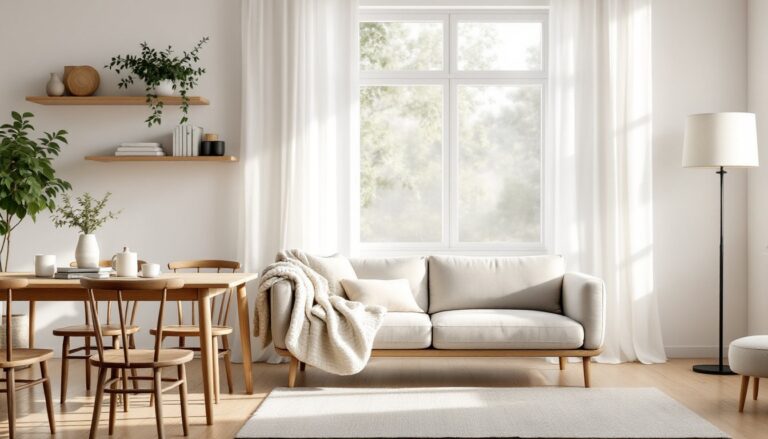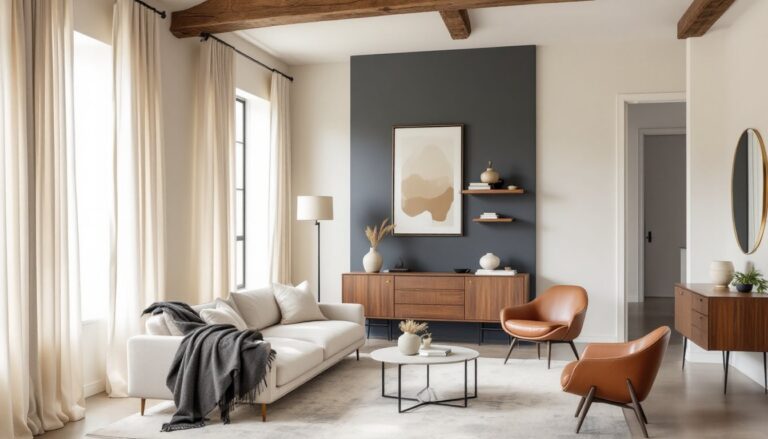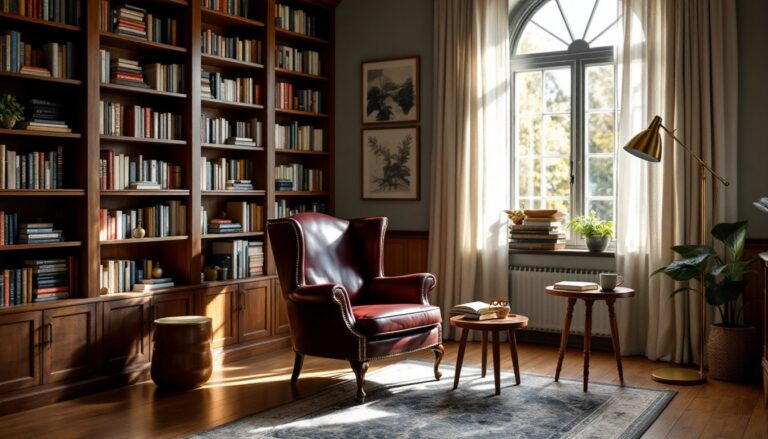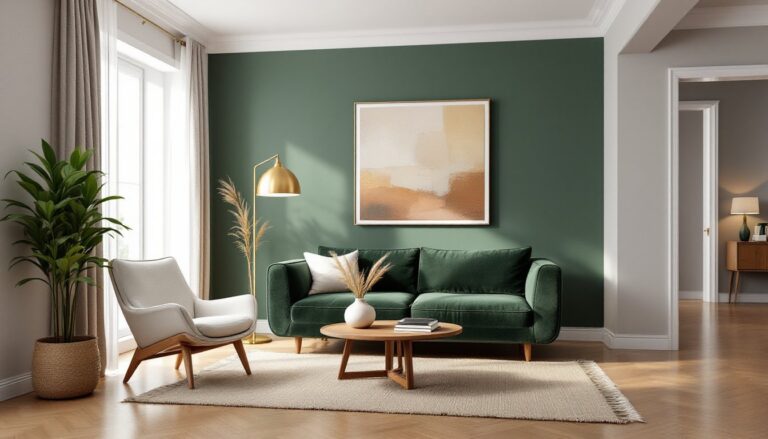
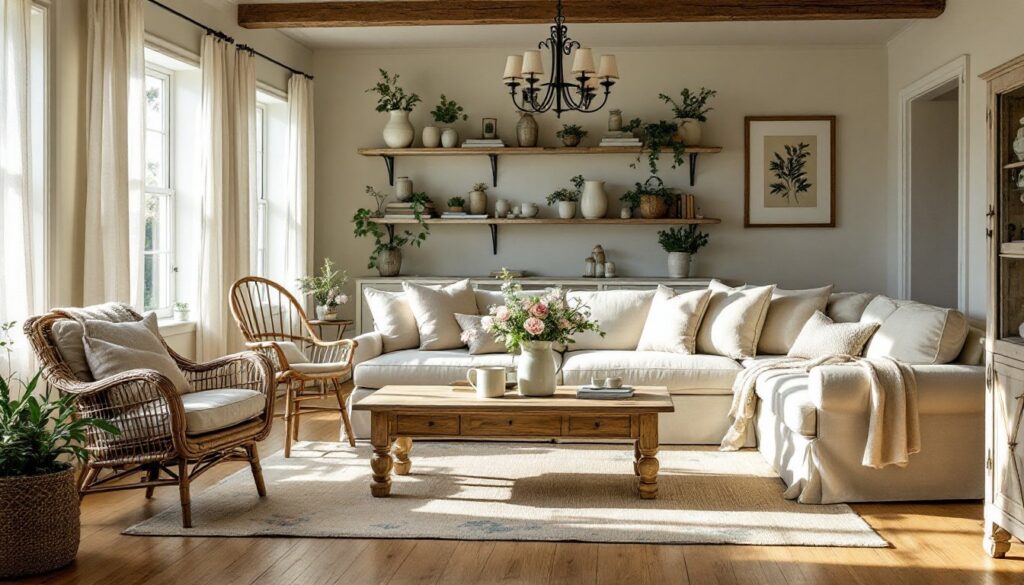
Cottagecore interior design brings the charm of a pastoral life indoors, think sun-soaked mornings, wildflowers in mason jars, and furniture that looks like it’s been passed down through generations. It’s not just an aesthetic: it’s a deliberate shift away from sleek minimalism toward warmth, texture, and handmade character. Unlike trends that fade with the seasons, cottagecore taps into something deeper: a desire for comfort and connection to simpler times. Whether someone’s renovating a farmhouse or softening a modern apartment, this style offers a blueprint for creating spaces that feel lived-in and loved from day one.
Table of Contents
ToggleKey Takeaways
- Cottagecore interior design prioritizes natural materials, vintage furnishings, and handmade details over mass-produced pieces, creating spaces that feel lived-in and curated over time.
- A soft, muted color palette of creams, pastels, and nature-inspired hues like sage green and dusty rose forms the foundation of cottagecore aesthetics.
- Textures like linen, wool, rattan, and reclaimed wood are essential to cottagecore style, while embracing intentional imperfections that add authenticity and warmth.
- You can introduce cottagecore design into any room by starting with slipcovered seating, open shelving, vintage fixtures, and layered textiles without requiring a full renovation.
- DIY projects like distressed furniture refinishing, pressed flower art, and reclaimed wood shelving allow you to build a cottagecore home gradually and affordably.
What Is Cottagecore Interior Design?
Cottagecore interior design is rooted in the romanticized vision of rural life, modest homes filled with handcrafted goods, natural light, and a slower pace. The style draws heavily from English countryside cottages, French provincial farmhouses, and American homesteads, blending nostalgia with practicality.
At its core, cottagecore prioritizes natural materials over synthetics, vintage and antique furnishings over mass-produced pieces, and handmade or artisan details over factory uniformity. It’s about creating rooms that feel curated over time rather than purchased in one store trip.
This isn’t a style that demands perfection. Mismatched chairs around a farmhouse table, a chipped enamel pitcher repurposed as a vase, or linen curtains that puddle slightly on the floor, all of these “imperfections” add authenticity. The aesthetic leans heavily on textures: woven baskets, embroidered pillows, rough-hewn wood, and soft wool throws.
Unlike minimalist trends that strip rooms down to essentials, cottagecore embraces abundance in a restrained way. Open shelving displays ceramics and glassware: walls hold botanical prints and mirrors with patina: tables are set with lace doilies or linen runners. The goal is warmth without clutter, charm without kitsch.
Essential Elements of Cottagecore Style
Natural Materials and Vintage Furnishings
Cottagecore interiors are built on materials that age gracefully. Reclaimed wood is a staple, whether it’s wide-plank flooring, exposed ceiling beams, or a weathered dining table. Look for nominal 2×6 or 2×8 lumber with visible grain and knots when building custom shelving or headboards: the imperfections add character.
Rattan and wicker furniture brings texture and a casual, garden-room feel. A wicker chair with a linen cushion works in a reading nook: rattan baskets handle storage without looking sterile. Avoid overly polished finishes, natural oils or matte stains suit the aesthetic better than high-gloss lacquer.
Vintage furnishings anchor the style. Scour estate sales and antique shops for wooden dressers, spindle-back chairs, and iron bed frames. Many cozy interior design principles overlap here: prioritize comfort and warmth over showroom polish. If a piece needs refinishing, skip modern paints in favor of milk paint or chalk-based finishes, which create a soft, matte surface that wears beautifully.
Textiles play a major role. Linen, cotton, and wool should dominate. Linen curtains filter light without blocking it entirely: cotton quilts and wool throws add layers without synthetic sheen. Avoid polyester blends, they don’t drape or age the same way natural fibers do.
Ceramic and stoneware dishware, often in cream, sage, or soft blue, replaces sleek porcelain. Display these on open shelves alongside glass jars and copper cookware. Brass or wrought-iron hardware on cabinets and doors ties the look together.
Soft, Romantic Color Palettes
Cottagecore color schemes mirror the countryside: muted, earthy, and gentle. Cream, off-white, and soft beige form the foundation. These neutrals work on walls, large furniture pieces, and linens, creating a canvas that lets textures and vintage finds stand out.
Accent colors lean into pastels and nature-inspired hues: sage green, dusty rose, lavender, butter yellow, and sky blue. These aren’t bold or saturated, think faded florals and sun-bleached fabrics. When painting walls, choose flat or eggshell finishes rather than satin or semi-gloss: the lower sheen feels less modern and more in keeping with old plaster walls.
Wood tones should be warm and varied. Light oak, pine, and ash keep rooms airy, while darker walnut or cherry pieces add depth without heaviness. Avoid matching wood finishes too precisely, cottagecore thrives on the eclectic mix of a home furnished over decades.
Floral patterns are a cornerstone, but restraint is key. A vintage floral wallpaper on one accent wall, floral-print curtains, or a patchwork quilt in muted botanicals adds romance without overwhelming the space. Pair florals with solid linens and neutral rugs to keep the look grounded.
Natural light amplifies the palette. Avoid heavy drapes: opt for sheer linen panels or café curtains that let sunlight filter through. If privacy is a concern, interior shutters in painted wood offer control without blocking light entirely.
How to Bring Cottagecore Design Into Every Room
Living Room: Start with a slipcovered sofa in linen or cotton canvas, preferably in cream or soft gray. Slipcovers are practical (washable) and embody the relaxed, unfussy vibe of cottagecore. Pair with a vintage wooden coffee table or a refinished trunk for storage and surface space.
Layer rugs for texture: a jute or sisal base rug with a smaller wool or cotton rug on top creates depth. Add seating with mismatched armchairs, one wicker, one upholstered in floral fabric, and a wooden rocking chair if space allows.
Open shelving or a built-in bookcase displays books, pottery, and plants. Use reclaimed wood or nominal 1×10 pine boards mounted on wrought-iron brackets for a DIY shelf project. Finish with linseed oil for a natural matte sheen.
Decorate with potted herbs, dried flowers in pitchers, and framed botanical prints. Swap out modern light fixtures for a wrought-iron chandelier or a pendant with a fabric shade in linen or burlap.
Kitchen: Cottagecore kitchens blend function and charm. If a full renovation isn’t in the budget, start with open shelving to replace a few upper cabinets. Display everyday dishes, glassware, and copper pots. Paint existing cabinets in soft white or pale sage using a durable satin-finish cabinet paint (two coats over primer: sand lightly between coats).
Replace modern hardware with brass or ceramic knobs. A farmhouse sink, either an apron-front fireclay model or a drop-in cast iron, anchors the look. If replacing the sink isn’t feasible, a gooseneck faucet in brushed brass or oil-rubbed bronze updates the space without major plumbing work.
Add a butcher-block countertop or wooden cutting boards as prep surfaces. Hang dried herbs, garlic braids, or copper cookware on hooks. A vintage-style rug runner (washable cotton or low-pile wool) softens hard flooring.
Swap overhead lighting for a wrought-iron or wood-bead chandelier. Under-cabinet lighting should be warm-toned LEDs, not cool white.
Bedroom: The cottagecore bedroom centers on a wrought-iron or wooden bed frame, four-poster or spindle styles work well. Dress it in layers: a linen duvet, a cotton or linen flat sheet, a wool or cotton blanket, and a vintage quilt as a topper. Pile on pillows in varying sizes with linen or embroidered cotton cases.
Nightstands can be mismatched: one vintage wooden side table, one painted dresser. Use ceramic or brass lamps with fabric shades instead of modern metal fixtures.
Hang sheer linen curtains to diffuse morning light. If the room needs more privacy, layer with heavier cotton drapes in a muted floral or solid neutral.
A vintage vanity or writing desk with a cushioned stool adds function and charm. Decorate with a mirror in a wooden or gilded frame, a ceramic pitcher filled with wildflowers, and stacked vintage books.
Keep flooring soft underfoot: a wool or cotton area rug in a faded pattern or a braided rag rug adds warmth. If installing new flooring, wide-plank engineered hardwood in light oak or ash suits the style.
Bathroom: Cottagecore bathrooms lean into vintage fixtures and natural materials. A clawfoot tub is ideal, but a standard tub can be dressed up with a linen or cotton shower curtain on a wrought-iron rod. Choose curtains in solid cream, soft stripes, or subtle florals.
Replace a modern vanity with a repurposed wooden dresser fitted with a vessel sink or drop-in basin. Use a vessel sink in white ceramic or stone paired with a wall-mounted or gooseneck faucet in brass or bronze.
Swap plastic or chrome accessories for ceramic soap dishes, glass apothecary jars, and woven baskets for towel storage. Install wooden or wrought-iron shelving to hold linens and toiletries. Finish walls in beadboard wainscoting painted soft white, with a muted paint color or wallpaper above the chair rail.
Lighting should be warm and soft: a brass or ceramic sconce on either side of the mirror, or a vintage-style pendant. Avoid harsh overhead fluorescents.
DIY Cottagecore Decor Projects for Your Home
Distressed Furniture Refinishing: Take a dated or cheap wooden dresser and give it a cottagecore makeover. Sand lightly with 120-grit sandpaper to remove gloss and rough edges. Apply one coat of bonding primer, then two coats of chalk paint or milk paint in cream, sage, or dusty blue. Let dry fully between coats.
For a distressed finish, use 220-grit sandpaper to gently sand edges, corners, and raised details after the final coat dries. This reveals underlying wood or paint layers, mimicking decades of wear. Seal with a matte or flat wax finish, avoid polyurethane, which looks too modern.
Wear safety goggles and a dust mask during sanding. Work in a ventilated area or outdoors.
Pressed Flower Art: Collect wildflowers, herbs, or ferns. Press them between sheets of parchment paper inside a heavy book for 2–3 weeks. Once fully dried, arrange them on watercolor paper or linen cardstock and secure with a small dot of white craft glue or double-sided tape.
Frame in a simple wooden frame (unfinished pine or painted white works well). Hang in groups of three or five for a gallery wall effect. This project requires no power tools and costs under $20 for multiple pieces.
Linen Pillow Covers with Vintage Trim: Purchase pre-washed linen fabric in cream, oatmeal, or soft gray (1/2 yard makes one 18″ pillow cover). Cut two 19″ x 19″ squares. Pin vintage lace trim or embroidered ribbon along one edge of the front panel, then sew in place with a straight stitch.
Place fabric squares right sides together, sew three sides with a 1/2″ seam allowance, and turn right-side out. Insert an 18″ pillow form and hand-stitch the opening closed, or add a hidden zipper if preferred. A basic sewing machine handles this in under an hour.
Mason Jar Herb Garden: Drill a 1/4″ drainage hole in the bottom of pint-sized mason jars using a glass/tile drill bit and a variable-speed drill. Work slowly and keep the bit cool with water to avoid cracking. Wear safety goggles.
Fill jars with potting soil and plant herbs like basil, thyme, or parsley. Set on a wooden tray or vintage baking sheet lined with pebbles to catch drainage. Display on a sunny kitchen windowsill. This functions as both decor and a practical growing setup.
Reclaimed Wood Shelving: Source reclaimed barn wood or pallet boards (check local classifieds or salvage yards). Cut to desired shelf length using a circular saw or miter saw. Sand smooth with 80-grit then 120-grit sandpaper.
Finish with tung oil or linseed oil applied with a lint-free cloth: two coats, 24 hours apart. Mount on wrought-iron or brass shelf brackets secured into wall studs with 3″ wood screws. Use a stud finder and level to ensure even placement.
If mounting to drywall without hitting studs, use heavy-duty toggle anchors rated for at least 50 lbs per bracket. This project suits intermediate DIYers comfortable with power tools and basic carpentry.
Fabric-Wrapped Corkboard: Cut a piece of 1/2″ cork board to desired size (12″ x 18″ works well). Wrap with linen or cotton fabric in a neutral or floral print, pulling taut and securing on the back with a staple gun or hot glue.
Frame with a simple wooden picture frame (remove the glass) or mount directly to the wall with command strips or small nails. Use as a vision board, recipe holder, or to display pressed flowers and vintage postcards.
Conclusion
Cottagecore interior design isn’t about perfection, it’s about intentionality. Every worn wooden chair, every mismatched teacup, every piece of hand-stitched linen tells a story. The style rewards patience, whether that’s hunting for the right vintage dresser or learning to refinish furniture by hand. Start small, build slowly, and let the space evolve. The result is a home that feels less like a showroom and more like a retreat.