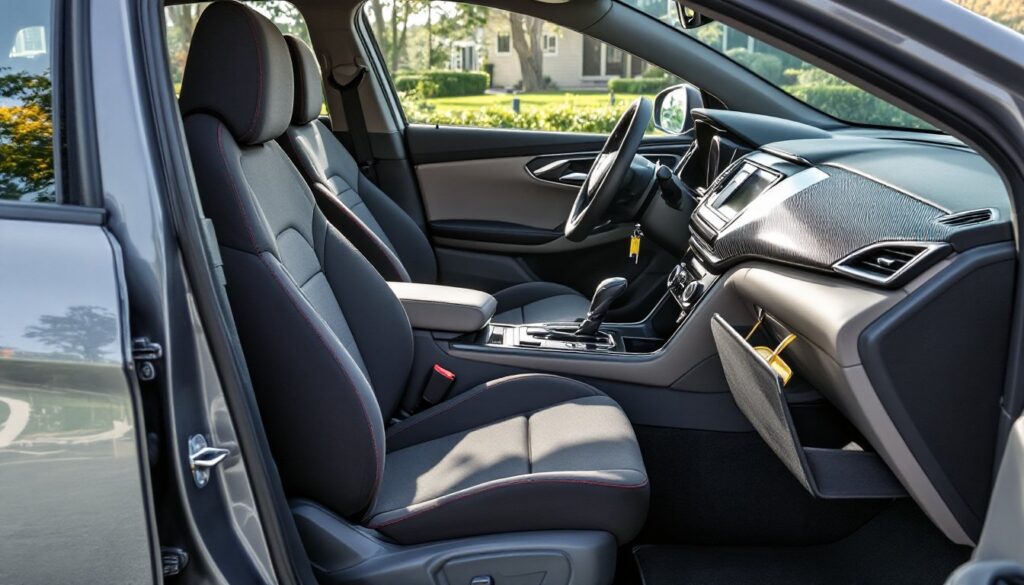
Most people spend over 300 hours a year in their vehicles, yet treat the interior like an afterthought. That’s a lot of time in a space that could be more comfortable, functional, and reflective of personal style. Upgrading a car’s interior doesn’t require a full restoration shop, many design improvements are straightforward DIY projects that take an afternoon and basic tools. From swapping seat covers to adding ambient lighting, these modifications can dramatically improve daily driving comfort without voiding warranties or requiring professional installation.
Table of Contents
ToggleKey Takeaways
- Car interior design ideas can transform daily driving comfort and resale value through practical DIY projects like seat covers, ambient lighting, and storage solutions that don’t require professional installation.
- Seat upgrades with memory foam cushions and lumbar support address ergonomic issues, while neoprene and faux leather covers offer durability and easy maintenance for different climates and lifestyles.
- Smart storage solutions such as seatback organizers, console dividers, and under-seat drawers maximize functionality without drilling, helping parents and commuters reduce clutter and keep essentials within reach.
- LED lighting enhancements—including ambient strips in footwells and warm-white dome lights—improve both aesthetics and functionality while consuming less power than factory lighting.
- Dashboard personalization with trim wraps, custom mats, and coordinated accessories creates a cohesive interior that reflects personal style while protecting original components from wear and UV damage.
- Installation best practices like using plastic trim tools, testing 12V accessories with a multimeter, and consulting vehicle-specific forums ensure safe modifications that preserve warranty protection.
Why Car Interior Design Matters for Daily Comfort
A well-designed car interior affects more than aesthetics, it impacts driver fatigue, passenger comfort, and even resale value. Factory interiors prioritize cost efficiency over personalization, which means most vehicles leave the lot with one-size-fits-none seating, minimal storage, and harsh overhead lighting.
Commuters, parents shuttling kids, and road-trippers all have different needs. A thoughtful interior layout reduces clutter, keeps essentials within reach, and creates an environment that feels less like a rental and more like a mobile extension of home. Materials matter too: breathable fabrics prevent sweat buildup in summer, while padded surfaces reduce road noise.
Upgrading the interior also protects the vehicle’s original components. Seat covers shield factory upholstery from spills and UV damage. Dashboard protectants prevent cracking. These small investments preserve the car’s condition, which pays off at trade-in time. Think of it as preventive maintenance for comfort and value, similar to how cozy design principles enhance living spaces.
Upgrading Your Seats and Upholstery
Seats are the most-used surface in any vehicle, and factory upholstery often wears out or feels uncomfortable on long drives. Upgrading doesn’t mean reupholstering from scratch, there are practical alternatives that deliver big improvements without permanent modifications.
Seat cushions and lumbar support address ergonomic issues. Memory foam cushions (typically 2-3 inches thick) distribute weight more evenly than stock foam, reducing pressure points on highway trips. Lumbar pillows with adjustable straps correct posture and prevent lower back pain, especially in older vehicles with worn seat springs.
For worn or stained seats, seat covers offer a quick refresh. Measure seat dimensions carefully, most covers are sized for sedan, SUV, or truck bench configurations. Installation usually involves tucking fabric into crevices and securing elastic hooks under the seat frame. No tools required, and they’re reversible if the next owner prefers the original look.
Custom Seat Covers and Fabric Choices
Fabric selection depends on climate and use case. Neoprene (the wetsuit material) resists water and stains, making it ideal for parents, pet owners, or outdoor enthusiasts. It’s durable but can feel sticky in humid weather.
Leatherette or faux leather mimics the look of luxury interiors at a fraction of the cost. It wipes clean easily but can crack in extreme heat if not treated with UV protectant spray (apply every 3-4 months). Real leather covers offer premium feel and longevity but require conditioning to prevent drying.
Mesh or perforated fabrics promote airflow, useful in hot climates or for drivers who run warm. They’re less padded than neoprene but dry quickly after spills. Avoid cheap polyester, it pills and fades within a season.
Installation tip: Start with the backrest, pulling the cover over the top and securing bottom hooks first. Then tackle the seat base, smoothing wrinkles as you go. A second pair of hands helps with bucket seats that have integrated headrests.
Creative Storage and Organization Solutions
Factory storage rarely accounts for modern needs, smartphones, charging cables, reusable water bottles, and kids’ gear quickly clutter cupholders and footwells. Aftermarket organizers maximize space without drilling or permanent mounts.
Seatback organizers hang from front seat headrests and add pockets for tablets, snacks, and toys. Look for models with clear tablet sleeves (10-inch diagonal minimum) and reinforced stitching at stress points. Capacity varies, but most hold 5-10 pounds safely.
Console organizers are trays or dividers that fit into the center console or glove box. Measure interior dimensions first, armrest consoles vary widely between makes and models. Felt-lined versions prevent items from rattling on rough roads.
Trunk cargo nets and bins corral groceries and gear. Collapsible fabric bins (typically 12 × 12 × 12 inches) fit in most trunks and can be removed when hauling larger items. Bungee cargo nets attach to factory tie-down hooks and keep smaller items from rolling around. According to design experts at Homedit, smart storage layouts prevent visual clutter and improve functionality in compact spaces.
Under-seat storage drawers slide on low-profile rails and use wasted space beneath front seats. They work best in vehicles with at least 4 inches of clearance. Installation involves attaching rails with included hardware (usually self-tapping screws into plastic trim, use a drill with clutch control to avoid overtightening).
For parents: backseat caddies with insulated pockets keep juice boxes cool and wipes accessible. Mounted versions strap around headrests: drop-in styles sit in the rear footwell.
Lighting Enhancements for Ambiance and Function
Factory dome lights are designed for basic visibility, not comfort or style. Upgrading to LED bulbs improves brightness and color quality while drawing less power than incandescent bulbs. Most dome lights use festoon or wedge-base bulbs (check owner’s manual or measure the old bulb). LEDs are polarity-sensitive, so if they don’t light up, rotate the bulb 180 degrees.
Color temperature matters: 5000-6000K (daylight white) provides crisp, functional light for reading maps or finding dropped items. 3000-4000K (warm white) creates a softer, less harsh ambiance for evening drives.
Ambient lighting strips add customizable color to footwells, door panels, or under-dash areas. Most kits include adhesive-backed LED strips, a control module, and a 12V power adapter that plugs into the cigarette lighter or fuse box. Installation steps:
- Clean mounting surfaces with isopropyl alcohol to ensure adhesive bonds properly.
- Route wires along existing trim channels to keep them hidden. Use plastic trim removal tools (not screwdrivers) to avoid cracking panels.
- Connect power to an accessory circuit (one that turns off with the ignition) to prevent battery drain. If tapping the fuse box, use an add-a-fuse adapter, don’t piggyback directly onto existing fuses.
- Test all zones before securing wires with zip ties.
Safety note: Avoid blue or red lighting visible from outside the vehicle, as these colors are restricted in most jurisdictions and can result in traffic stops. Stick to white, amber, or subtle colors like teal or purple for interior-only visibility.
For luxury-inspired designs, many high-end interiors now feature ambient lighting systems that adjust brightness and hue based on time of day, a feature easily replicated with aftermarket smart RGB controllers.
Dashboard and Trim Personalization Ideas
The dashboard and trim are visual focal points every time a driver gets in. Small changes here create outsized impact.
Dash covers and mats protect against UV cracking and reduce glare. Custom-fit molded covers (not universal slip-ons) work best, they’re contoured to the specific dash shape and stay in place without adhesive. Materials range from carpet to suede-like fabrics. Ventilated versions include cutouts for defrost vents.
Trim wraps and overlays change the look of plastic or faux-wood trim without permanent modification. Carbon fiber vinyl is popular for a sporty aesthetic: brushed aluminum or wood-grain films suit luxury-oriented builds. Application requires patience:
- Remove trim pieces if possible (most pop out with gentle prying).
- Clean thoroughly with degreaser.
- Heat the vinyl with a heat gun (low setting, 6-8 inches away) to make it pliable.
- Apply from one edge, using a squeegee to push out air bubbles.
- Trim excess with a sharp utility knife.
Vinyl wraps are reversible but degrade in extreme heat if low-quality film is used. Stick with 3M or Avery Dennison brands for longevity.
Gauge bezels and instrument cluster upgrades are available for many popular models. Some are plug-and-play LED replacements: others require soldering skills. If uncomfortable with electrical work, this is one to leave to an auto electrician.
Steering wheel covers improve grip and comfort. Leather or microfiber versions feel premium but require proper sizing, measure wheel diameter and thickness. Installation involves stretching the cover over the wheel, sometimes with the aid of a hair dryer to soften the material. Universal covers often bunch at the seams: custom-fit options (lace-on or slip-on) look cleaner. Similar attention to material quality applies here as with upholstery choices in compact living spaces.
Adding Comfort Accessories and Finishing Touches
The final layer of car interior design is the accessories that make daily drives more pleasant. These are often overlooked but deliver immediate quality-of-life improvements.
Floor mats and liners: Factory carpet mats stain easily and trap moisture. Upgrade to all-weather rubber mats with raised edges (minimum 0.75-inch lip) to contain spills and mud. Custom-fit mats (laser-measured for specific makes and models) stay in place better than universal trims. For added style, carpet mats with embroidered logos or contrasting binding dress up the footwell without sacrificing function.
Sunshades and window tinting: Windshield sunshades (accordion-fold or roll-up styles) reduce interior temps by 20-30°F when parked. Tinting rear and side windows (check local laws, most states allow 35-50% visible light transmission on rear glass) cuts glare and UV exposure. Professional tinting costs $200-$400 but lasts years: DIY film kits save money but require steady hands and patience to avoid bubbles.
Air fresheners and odor control: Skip the cardboard tree. Vent clip diffusers with essential oils or activated charcoal bags (200-500 grams for car use) neutralize odors without overpowering fragrance. Replace charcoal bags every 6-8 weeks for best results.
Comfort upgrades: Heated seat cushions plug into the 12V outlet and add warmth in winter for vehicles without factory heated seats. Cooling seat covers with built-in fans (battery-powered or 12V) improve airflow in hot weather. Neck pillows and travel blankets turn the passenger seat into a nap-friendly zone on long trips.
Tech integration: Phone mounts (vent clip, suction cup, or CD slot styles) keep navigation visible. Wireless charging pads that fit in cupholders eliminate cable clutter. For design inspiration that balances comfort and function, many DIYers turn to online design communities for real-world examples.
Finishing touches: Custom gear shift knobs, pedal covers (aftermarket aluminum pedals install with set screws), and embroidered headrest covers add personality without major investment. Coordinating colors, matching floor mats, seat covers, and trim accents, creates a cohesive look, much like how professionals use color and material palettes in residential interiors.
Installation best practices across all accessories:
- Read vehicle-specific forums before buying, not all products fit all trim levels.
- Keep original parts in case of warranty service or resale.
- Use plastic trim tools and microfiber cloths to avoid scratching surfaces.
- Test 12V accessories with a multimeter to confirm they draw appropriate current (most car circuits are 10-15 amps).