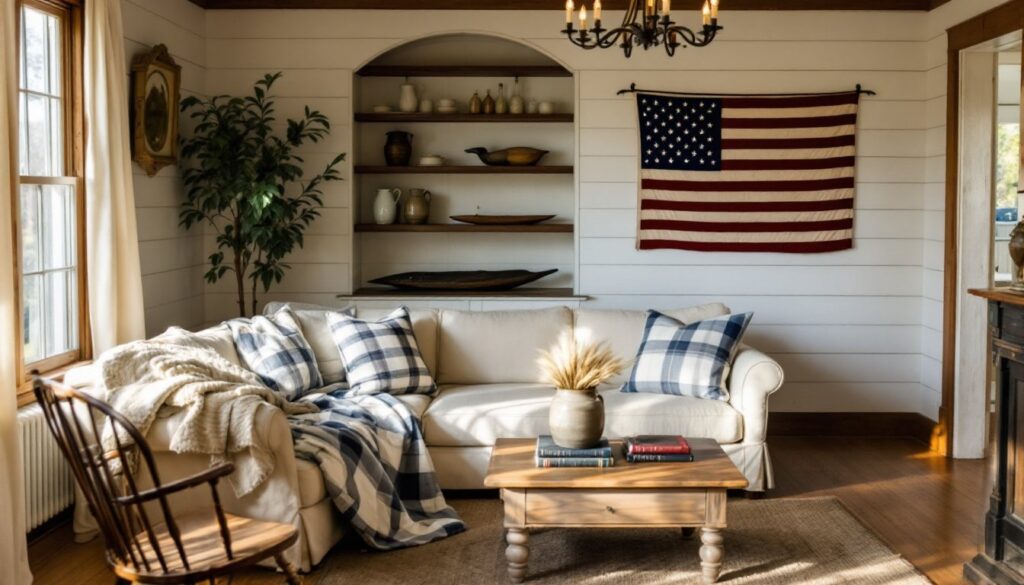
Americana interior design celebrates the history, heritage, and character of the United States through a curated blend of vintage furnishings, folk art, and classic red-white-and-blue motifs. It’s not just about hanging a flag on the wall, it’s a nostalgic, lived-in aesthetic that nods to farmhouses, colonial homesteads, and the Americana of roadside diners. Whether someone’s renovating a historic home or adding patriotic charm to a modern space, this style offers warmth, simplicity, and a storytelling quality that feels distinctly American. This guide breaks down the core elements, room-by-room applications, DIY projects, and contemporary twists to help homeowners bring Americana style into their spaces with confidence and authenticity.
Table of Contents
ToggleKey Takeaways
- Americana interior design blends vintage furnishings, folk art, and patriotic motifs to create a warm, nostalgic aesthetic rooted in early American homes like colonial cottages and farmhouses.
- The classic Americana color palette centers on aged red, cream, and deep blue with accents of mustard, forest green, or burnt sienna, paired with timeless patterns like ticking stripes, gingham, and stars.
- Furniture and decor should prioritize natural materials and authentic distressing—solid wood pieces from flea markets and estate sales work better than new reproductions to maintain the handmade quality.
- Incorporate Americana style room-by-room with period-appropriate elements: whitewashed shiplap and braided rugs in living rooms, open shelving and farmhouse sinks in kitchens, and patchwork quilts as bedroom centerpieces.
- Modern Americana interpretations streamline the look by using simplified color schemes, mixed materials (wood with industrial metal), and curated collections to prevent spaces from feeling overly themed or cluttered.
- DIY projects like painted wood signs, distressed star cutouts, and mason jar sconces allow homeowners to build Americana character affordably while maintaining authentic, lived-in appeal.
What Is Americana Interior Design?
Americana interior design is a traditional style rooted in early American domestic life, think colonial cottages, frontier cabins, and 19th-century farmhouses. It draws heavily from folk art, handcrafted furniture, and patriotic symbolism, blending rustic simplicity with vintage charm.
Key markers include natural wood finishes, distressed or painted furniture, quilts, woven textiles, and decorative objects like weathered signs, vintage tins, and cast-iron cookware. The palette centers on red, white, and blue, though earthy tones (mustard, barn red, sage) often ground the scheme.
Unlike minimalist styles, Americana embraces clutter, curated clutter. Collections of antique bottles, stoneware crocks, or folk art aren’t just decoration: they tell a story. The look feels lived-in and nostalgic, not staged.
This style works especially well in homes with architectural character: exposed beams, plank floors, or wainscoting. But it’s adaptable. Apartments and newer builds can layer in Americana through decor, textiles, and deliberate material choices like reclaimed wood or wrought iron.
Americana isn’t period-specific restoration. It’s selective borrowing from early American aesthetics, mixed with practicality and personal history. It’s the difference between a museum and a home that honors the past while remaining functional.
Key Elements of Americana Style
Classic Color Palettes and Patterns
The Americana color palette is anchored by red, white, and navy blue, often in equal measure. These aren’t bright primary hues, think aged barn red, cream instead of stark white, and deep colonial blue. Accents in mustard yellow, forest green, or burnt sienna add warmth and prevent the scheme from feeling too rigid.
Patterns lean heavily on stripes, stars, and checks. Ticking stripes (narrow, evenly spaced lines) appear on upholstery and bedding. Gingham and buffalo check work for curtains, tablecloths, and pillows. Stars show up everywhere, stenciled on walls, embroidered on quilts, cut into cabinet doors.
Avoid overly saturated or synthetic-looking fabrics. Natural fibers, cotton, linen, wool, age better and maintain the rustic, handmade quality central to the style. If painting walls, opt for flat or eggshell finishes in muted tones: high-gloss reads too modern.
Traditional Americana Furniture and Decor
Americana furniture is straightforward and sturdy. Shaker-style pieces, Windsor chairs, and ladder-back seating are staples. Look for solid wood construction, pine, oak, maple, often left natural or painted in milk paint finishes that wear to show the grain beneath.
Distressing is common but should look authentic, not artificially aged. Vintage or secondhand pieces often work better than new reproductions. Flea markets, estate sales, and architectural salvage yards are ideal hunting grounds.
Decorative elements include:
- Quilts: Patchwork, appliqué, or pieced designs, displayed on beds, walls, or draped over furniture.
- Folk art: Hand-carved decoys, painted signs, silhouettes, weathervanes.
- Americana textiles: Hooked rugs, braided rugs, homespun linens.
- Utilitarian objects: Enamelware, ironstone pitchers, wooden bowls, butter churns repurposed as decor.
Lighting should feel period-appropriate. Tin punched lanterns, wrought-iron chandeliers, and simple glass shades on brass or wood bases all work. Avoid sleek modern fixtures, they break the visual continuity.
How to Incorporate Americana Design in Every Room
Living Room: Start with a neutral base, whitewashed shiplap, warm wood floors, or painted wainscoting in a soft cream. Anchor seating with a sturdy sectional or slipcovered sofa in ticking stripe or linen. Layer in a braided rug, a distressed coffee table, and open shelving to display stoneware or vintage books.
Hang a large American flag as wall art (vintage wool flags have better patina than new nylon), or use a quilt as a tapestry. Balance patriotic motifs with natural elements, wooden trays, ceramic crocks, dried flowers, to avoid theme-park kitsch.
Kitchen and Dining: Americana kitchens favor open shelving, farmhouse sinks, and butcher-block counters. Paint cabinets in classic colors like soft blue, cream, or barn red. Display enamelware on hooks, store utensils in stoneware crocks, and use a vintage breadbox or pie safe as a focal point.
For dining, a plank-top table with mismatched Windsor chairs nails the look. Swap out modern pendant lights for a wrought-iron chandelier or tin lanterns. Set the table with simple ironstone, gingham napkins, and mason jars as drinking glasses.
Bedroom: Use a patchwork quilt as the centerpiece. Pair it with linen or cotton sheets in white or cream, and add accent pillows in stripes or checks. A spindle or four-poster bed in dark wood or painted finish works well.
Keep nightstands simple, small tables or repurposed wooden crates. Wall decor might include framed folk art, a vintage mirror, or stenciled stars. Avoid heavy window treatments: simple muslin curtains or wooden shutters suit the style better.
Bathroom: Swap plastic accessories for enamelware soap dishes, vintage mason jars, and wire baskets. A pedestal sink or a vanity made from a repurposed dresser fits the aesthetic. Use beadboard wainscoting painted white or cream, and hang a simple framed mirror with a distressed wood frame.
Textiles matter: linen hand towels, a striped bath mat, and a vintage stool for storage or seating all contribute. If renovating, consider hex tile or classic subway tile in white with dark grout for a period feel without sacrificing function.
DIY Americana Decor Projects for Homeowners
Project 1: Painted Wood Sign
Cut a piece of 1×8 or 1×10 pine to the desired length (36–48 inches works well). Sand lightly with 120-grit paper. Apply a base coat of milk paint or chalk paint in cream or navy. Once dry, stencil or hand-paint a patriotic phrase, state name, or stars. Distress edges with sandpaper to expose raw wood. Seal with matte polyurethane or wax. Mount with sawtooth hangers or lean against a mantel.
Safety note: Wear a dust mask when sanding and work in a ventilated area when painting.
Project 2: Repurposed Flag Bunting
Source vintage or reproduction cotton flag fabric (avoid synthetic blends, they fray poorly). Cut triangles roughly 8 inches wide at the base and 10 inches tall. Use pinking shears to minimize fraying. Sew or hot-glue triangles to a length of jute twine or cotton cording, spacing them 2 inches apart. Hang across mantels, porches, or above doorways.
No sewing machine? Fabric glue works fine for bunting that won’t be handled frequently.
Project 3: Distressed Star Cutouts
Trace a star template onto 1/2-inch plywood or MDF. Cut with a jigsaw (clamp the workpiece securely: wear safety goggles and hearing protection). Sand edges smooth with 80-grit, then 120-grit paper. Paint in barn red, navy, or cream. Once dry, sand corners and edges to reveal wood or underlayers. Drill a small hole at one point for hanging, or mount flush to the wall with construction adhesive.
For a modern take on decor, scale stars larger and use metallic paint for an updated industrial edge.
Project 4: Mason Jar Sconces
Mount L-brackets or pipe clamps to the wall at stud locations (use a stud finder and 2.5-inch wood screws for drywall). Slide a pint or quart mason jar into each bracket. Fill jars with battery-operated fairy lights, dried flowers, or small flags. Paint brackets in black or oil-rubbed bronze for contrast.
These work especially well flanking a mirror or over a mantel. For outdoor use, ensure brackets are galvanized or stainless to resist rust.
Modern Takes on Classic Americana Style
Americana doesn’t have to feel frozen in the 18th century. Contemporary interpretations keep the core elements, color palette, natural materials, folk-art references, but streamline the execution.
Simplified Color Schemes: Instead of saturated red-white-and-blue, use navy and cream with minimal red accents. This reads cleaner and works better in open-plan homes. Swap gingham for solid linen or subtle herringbone.
Mixed Materiality: Pair traditional wood furniture with industrial metal accents. A reclaimed wood dining table with steel hairpin legs, or a vintage quilt hung in a room with concrete floors, bridges rustic and modern.
Curated Collections: Rather than filling every surface, display one or two standout folk-art pieces, a weathervane, a single large quilt, or a collection of ironstone in open shelving. This prevents the space from feeling cluttered or overly themed.
Updated Textiles: Trade heavy quilts for lightweight cotton or linen coverlets in similar patterns. Use buffalo check sparingly, one pillow or a single throw instead of every soft surface.
Architectural Integration: In newer builds or smaller spaces, add character through shiplap accent walls, exposed beams (real or faux), or tongue-and-groove ceilings. These give a nod to historic construction methods without requiring a full renovation.
Photos of rooms that capture Americana spirit show how vintage elements coexist with contemporary layouts. The key is intentionality: each piece should earn its place.
For those interested in broader design trends, Americana fits into the larger movement toward natural materials, handcrafted objects, and slower, more sustainable decorating. It’s less about buying a themed collection and more about sourcing pieces with history, durability, and meaning.
Finally, consult resources like Southern Living’s Americana guide or Country Living’s decor roundup for visual inspiration and specific product recommendations. These sources highlight how to balance nostalgia with livability, ensuring the home feels collected over time rather than decorated in a single afternoon.