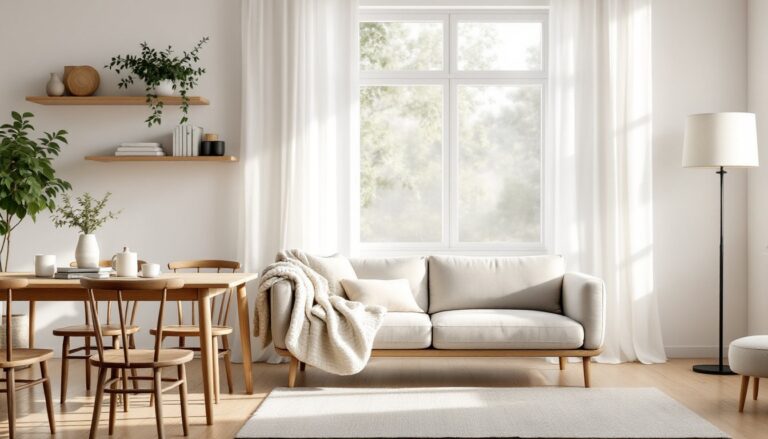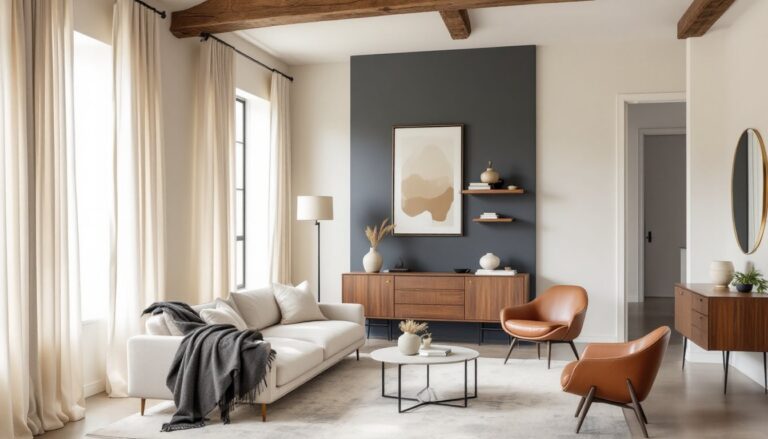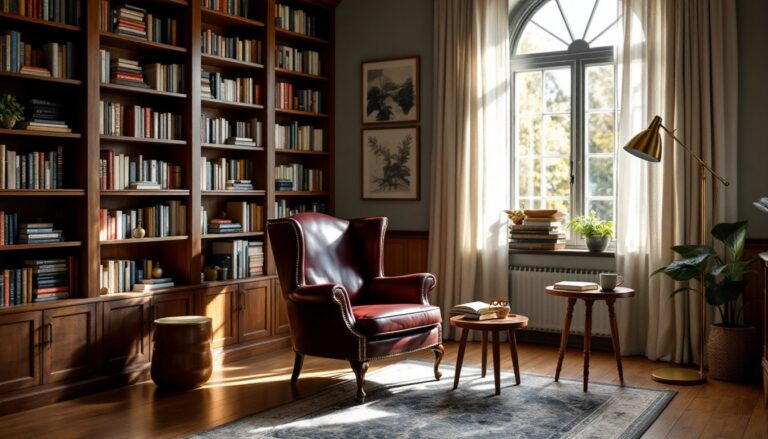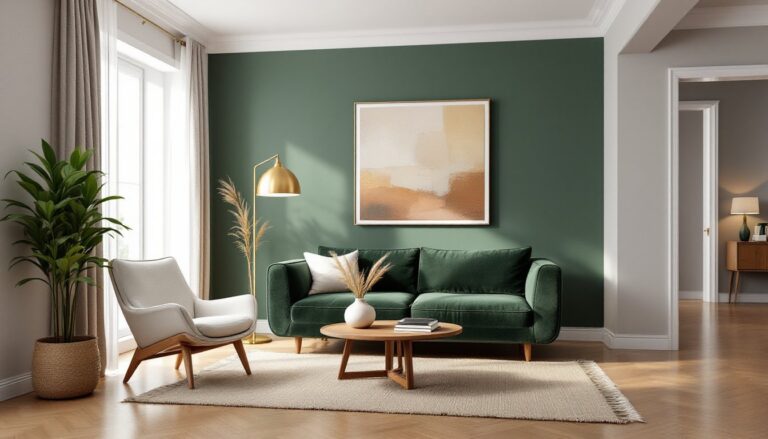
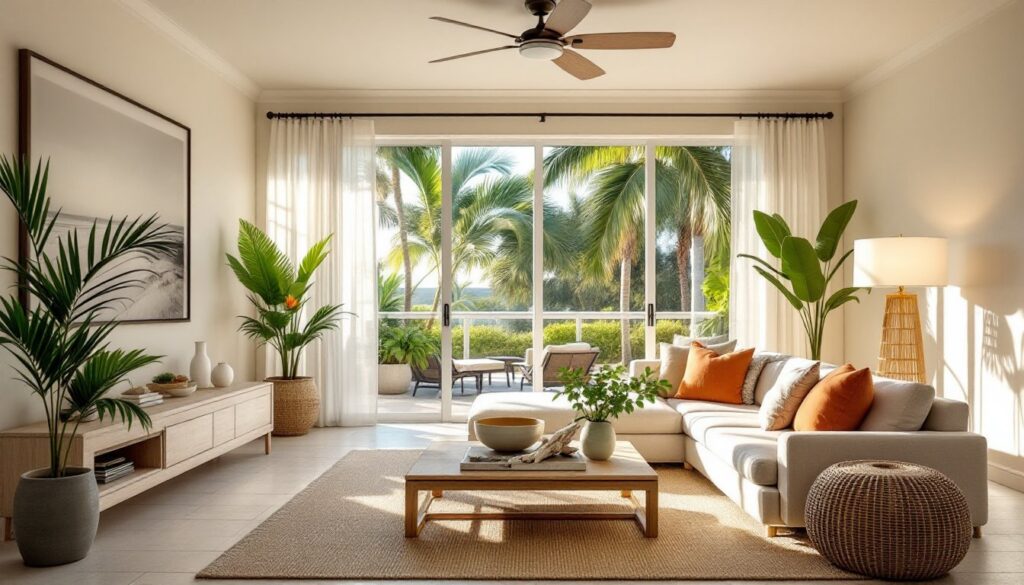
Florida interior design isn’t just about slapping some palm fronds on a wall and calling it coastal. It’s a deliberate approach to creating spaces that respond to the state’s unique climate, lifestyle, and relationship with water and light. Whether you’re renovating a Gulf Coast bungalow or bringing Florida vibes to a landlocked home, this style emphasizes function as much as form, think high humidity resistance, natural ventilation, and materials that age gracefully in salt air. The goal is a home that feels perpetually on vacation without looking like a theme park gift shop.
Table of Contents
ToggleKey Takeaways
- Florida interior design prioritizes humidity and salt-air resistance through materials like teak, stainless steel, and powder-coated finishes that prevent moisture damage and corrosion.
- Light, reflective color palettes of whites, sandy beiges, seafoam greens, and soft blues enhance natural light, reduce perceived heat, and embody authentic Florida interior design aesthetics.
- High ceilings (9–12 feet), tile or polished concrete floors, and ceiling fans improve ventilation and cooling efficiency while handling sandy foot traffic and wet environments.
- Natural materials like rattan, wicker, bamboo, and jute provide coastal texture and warmth while aging gracefully in Florida’s climate without requiring high maintenance.
- DIY projects including whitewashed furniture, rope-wrapped mirrors, and painted shutters let you achieve Florida interior design affordably on any budget.
- Indoor-outdoor living with low-profile, modular furniture and outdoor-rated pieces maintains sight lines and adapts easily to gatherings in a Florida home.
What Makes Florida Interior Design Unique?
Florida design is shaped by two primary factors: climate and geography. The state’s year-round humidity (often 60–90% in summer) demands materials that resist mold, mildew, and warping. That rules out certain untreated woods and fabrics prone to moisture damage. Coastal proximity means salt air corrosion is a real concern for metal fixtures and hardware, galvanized steel, stainless, or powder-coated finishes are the go-to.
Unlike Northern homes built for insulation and heat retention, Florida interiors prioritize airflow and light control. High ceilings (9–12 feet) improve ventilation and reduce cooling costs. Tile or polished concrete floors stay cooler underfoot than carpet and handle sandy foot traffic without complaint. Window treatments lean toward shutters, bamboo shades, or UV-blocking films rather than heavy drapes.
The aesthetic itself borrows from Old Florida architecture, think Key West conch houses and 1920s Mediterranean Revival, blended with modern coastal minimalism. You’ll see wraparound porches translated into indoor-outdoor living spaces, jalousie windows inspiring louvered cabinet doors, and the pale, sun-bleached palette of driftwood and shells. It’s a style that assumes you’re barefoot most of the year and that your home should accommodate wet swimsuits, beach bags, and impromptu gatherings without fuss.
Key Elements of Florida-Style Interiors
Color Palettes That Capture the Florida Vibe
The classic Florida palette pulls directly from the environment: soft whites, sandy beiges, seafoam greens, coral, and sky blues. These aren’t trend colors, they’re functional. Light, reflective hues bounce natural light deeper into rooms and make spaces feel larger and cooler.
For walls, consider Benjamin Moore White Dove or Sherwin-Williams Sea Salt for a neutral base that doesn’t skew sterile. Accent walls in muted aqua or pale terracotta add warmth without overwhelming. Trim and ceilings often stay crisp white (semi-gloss or satin finishes hold up better in humidity than flat paint).
Avoid heavy, saturated colors in large doses, they absorb light and heat. Save bolder shades like navy, emerald, or sunset orange for pillows, artwork, and small decor items that can rotate seasonally. The MyDomaine approach to layering neutrals with coastal accents offers solid visual reference for balancing calm and interest.
Natural Materials and Textures
Florida design leans hard on natural materials that age well and handle moisture: rattan, wicker, bamboo, jute, seagrass, linen, and untreated or whitewashed wood. These materials bring texture without adding visual weight.
Wood choices matter. Teak, cedar, and cypress resist rot and insects, ideal for furniture that might live on a screened porch part-time. Avoid particleboard or MDF in high-humidity areas: they swell and delaminate. For flooring, luxury vinyl plank (LVP) mimics wood grain but handles moisture far better than hardwood. Porcelain tile in wood-look finishes is another durable option, especially in kitchens and baths.
Woven textures, jute rugs, rattan headboards, seagrass baskets, add warmth and a handmade feel. Look for pieces with powder-coated or marine-grade finishes if they’ll see outdoor use. Natural fiber rugs shed sand easily and hide wear better than solid-color synthetics. When incorporating light fixtures and furniture, prioritize pieces that won’t corrode or fade when exposed to bright sun and salt-laden breezes.
How to Bring Florida Design Into Every Room
Living Room: Start with a neutral slipcover sofa in linen or cotton blend, easy to wash when sandy feet happen. Add a jute or sisal area rug (8×10 minimum for standard rooms) and a low-profile coffee table in whitewashed oak or rattan. Swap heavy drapes for 2-inch faux-wood blinds or plantation shutters: they control light and humidity better than fabric. Install a ceiling fan with reversible blades (run counterclockwise in summer for downdraft cooling). If the room has a fireplace you rarely use, consider converting it to a display niche with stacked driftwood or coral.
Kitchen: Open shelving in whitewashed or natural wood keeps the space airy and displays coastal dishware. Choose quartz countertops over marble, they resist staining and don’t require sealing. A subway tile backsplash in white or soft blue is timeless and easy to clean. Pendant lights in rattan, seagrass, or clear glass add texture overhead. For hardware, brushed nickel or matte black finishes resist fingerprints and corrosion better than polished chrome.
Bedroom: Layer bedding in breathable linen or cotton percale (300–400 thread count). Skip heavy comforters for lightweight quilts or coverlets. A rattan or woven headboard adds warmth without blocking airflow. Nightstands in teak or painted wood keep the look casual. Blackout roller shades behind decorative curtains give you light control without sacrificing the breezy aesthetic. Ceiling fans are non-negotiable, go for models with DC motors for quieter operation.
Bathroom: Install 12×24 porcelain tile in white or pale gray for walls and floors, it’s mold-resistant and easy to maintain. A freestanding tub in a slipper or modern oval style anchors the space. Use marine-grade or stainless hardware for faucets and towel bars. Open shelving or woven baskets store towels and toiletries without heavy cabinetry. Add a small potted palm or orchid for a touch of greenery that thrives in humidity.
Furniture and Decor Choices for a Florida-Inspired Home
Furniture Scale and Layout: Florida homes often emphasize open floor plans and indoor-outdoor flow. Choose furniture with a lower profile, deep sectionals, armless chairs, and benches that don’t block sightlines to windows or sliding glass doors. Avoid bulky, overstuffed pieces that trap heat and make rooms feel crowded.
Look for modular or movable furniture that adapts to gatherings. Nesting tables, poufs, and lightweight side chairs let you reconfigure spaces easily. For dining, a trestle or pedestal table in bleached or natural wood seats six to eight without visual bulk. Pair it with rattan or slipcovered chairs.
Outdoor-Rated Pieces Indoors: Don’t hesitate to use all-weather wicker or teak furniture in sunrooms or living areas. These pieces are built for durability and often have better ventilation than traditional upholstery. Add washable cushions in Sunbrella or similar outdoor fabric, they resist fading, mildew, and spills.
Decor and Accessories: Keep it minimal and meaningful. A few large pieces (driftwood sculpture, oversized coral, a vintage oar) make more impact than a shelf full of tchotchkes. Swap heavy artwork for framed botanical prints, black-and-white beach photography, or abstract pieces in coastal hues. Mirrors in whitewashed or rope-wrapped frames amplify light and views.
Use natural fiber baskets for storage, they’re functional, textural, and hide clutter. Potted plants like bird of paradise, fiddle leaf fig, or snake plants thrive indoors in Florida’s humidity and add vertical interest. When selecting pieces, exploring themes like small-space design strategies can help balance function and style, especially in tighter layouts.
DIY Projects to Achieve Florida Interior Design on a Budget
Whitewash or Lime-Wash Wood Furniture: Grab a $15 can of white latex paint, dilute it 1:1 with water, and brush onto raw or lightly sanded wood furniture. Wipe off excess with a rag for a driftwood effect. Seal with matte polyurethane (one quart covers ~120 sq ft). This works on thrift-store dressers, tables, or unfinished pine shelves. Wear nitrile gloves and work in a ventilated area.
DIY Rope Mirror or Picture Frame: Buy 1/2-inch manila or jute rope (about $12 per 50 feet at hardware stores) and a cheap round or rectangular mirror. Use a hot glue gun to wrap rope in a spiral or linear pattern around the frame edge. Finish with a coat of matte sealer if the mirror will hang in a bathroom. This project takes 30–45 minutes and adds instant coastal texture.
Coastal Gallery Wall: Print black-and-white beach photos or botanical line drawings at home or through a print service. Frame them in mismatched thrift-store frames painted matte white or left natural wood. Arrange on the wall using painter’s tape to mock up placement before nailing. Use picture-hanging wire and D-rings on frames over 1 pound.
Painted Terracotta Planters: Buy unglazed 6-to-10-inch terracotta pots ($3–$8 each). Paint the bottom half or rim in soft aqua, coral, or white using acrylic craft paint or leftover wall paint. Seal with outdoor Mod Podge or polyurethane if pots will sit outside. Plant with pothos, succulents, or herbs. For more creative inspiration, consider reviewing design portfolio examples to see how professionals blend color and texture.
Shutter or Louvered Headboard: Find old shutters at salvage yards or Habitat ReStore ($10–$40). Sand lightly, paint or whitewash, then mount horizontally to the wall behind a bed using 3-inch wood screws into studs. Use a stud finder and level. If shutters are hollow, use toggle bolts in drywall. This project takes 2–3 hours and gives major visual impact.
Beach-Inspired Throw Pillows: Buy 18×18 or 20×20 pillow inserts and plain linen or canvas covers. Use fabric paint or bleach pens to stencil simple coastal motifs (starfish, waves, palm fronds). Let dry 24 hours and heat-set with an iron (follow paint instructions). Each cover costs $5–$8, and you can swap designs seasonally. Those curious about the deeper structural decisions that shape interiors can explore the distinction in spatial planning approaches.
All these projects require basic tools, cordless drill, paintbrushes, sandpaper (120–220 grit), hot glue gun, level, and stud finder. Invest in quality brushes for paint projects: cheap ones shed bristles and leave streaks. Always test finishes on scrap material first, and allow proper cure time in Florida’s humidity, paints and sealers can take 50% longer to fully harden than label estimates.