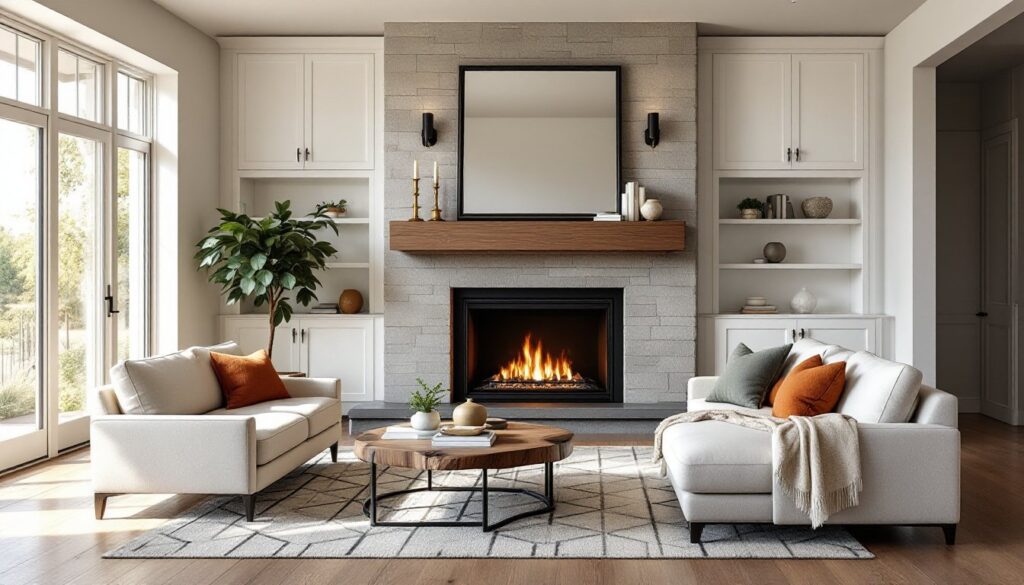
A well-designed fireplace does more than heat a room, it anchors the entire space, sets the tone for conversation, and becomes the centerpiece every guest notices first. Whether someone’s tackling a full remodel or refreshing existing elements, the fireplace offers one of the highest visual returns for the effort invested. From selecting the right style to coordinating materials and arranging decor, each decision shapes how the room functions and feels. This guide walks through the core considerations for fireplace interior design, covering everything from surround construction to mantel styling and spatial planning.
Table of Contents
ToggleKey Takeaways
- A well-designed fireplace interior design serves as the room’s anchor and visual centerpiece, offering one of the highest returns on investment for effort and cost.
- Choose fireplace styles—traditional brick and stone, modern linear gas, or contemporary electric—based on your home’s architecture and personal preferences to create visual cohesion rather than friction.
- Proper surround construction requires cement backer board, correct clearances per the IRC (minimum 6 inches from the firebox), and scaled proportions with mantels typically 12 inches wider than the firebox opening on each side.
- Layer mantel decor using the rule of thirds with varying heights, stick to a three-color maximum palette, and rotate seasonal elements while keeping items at least 6 inches back from the edge for safety.
- Furniture placement and fireplace location must work together—whether centered for symmetry, cornered for small spaces, or angled to accommodate competing focal points like televisions.
- Coordinate fireplace surrounds with existing materials and colors through either seamless matching or bold contrast, use high-heat paint (200°F+) for updates, and layer textures to add depth and visual interest to the entire room.
Choosing the Right Fireplace Style for Your Home
The fireplace style sets the visual language for the entire room. It should complement the home’s architecture while reflecting the homeowner’s preferences. Mismatched styles create visual friction, while cohesive choices tie the space together effortlessly.
Traditional Fireplaces
Traditional fireplaces feature brick or stone surrounds, carved wood mantels, and classic proportions that echo colonial, craftsman, or Victorian architecture. Brick dimensions typically measure 3-5/8″ × 2-1/4″ (actual size), with mortar joints adding visual texture. Stone options range from stacked fieldstone to cut limestone or marble, each offering distinct grain patterns and color variation.
Wood mantels in traditional designs often incorporate crown molding, corbels, and pilasters that mimic classical architecture. Popular wood species include oak, cherry, and walnut, with finishes ranging from natural stain to painted white for a cottage feel. These fireplaces work best in homes with traditional trim work, hardwood floors, and period-appropriate lighting fixtures.
Gas log inserts fit traditional fireboxes well, offering convenience without sacrificing the look of a wood-burning hearth. Ventless models provide flexibility in placement but check local codes, some jurisdictions restrict or prohibit ventless gas appliances due to indoor air quality concerns.
Modern and Contemporary Fireplaces
Modern fireplaces emphasize clean lines, minimal ornamentation, and innovative materials. Linear gas fireplaces, often 36″ to 72″ wide, create horizontal focal points that complement open floor plans and low-profile furniture. These units typically recess into the wall, with surrounds finished in materials like concrete board, stacked metal panels, or large-format porcelain tile.
Concrete surrounds can be poured in place or installed as prefabricated panels. For DIY installation, fiber-cement board offers a concrete look at a fraction of the weight, accepting paint, stain, or specialty concrete overlays. Panels typically come in 4′ × 8′ or 4′ × 10′ sheets, cut to size with a circular saw fitted with a carbide blade.
Floating mantels, steel plates, thick wood slabs, or stone shelves, mount directly to wall studs using concealed brackets rated for the load. A 2″ × 8″ × 60″ walnut slab can weigh 40+ pounds: secure it with heavy-duty floating shelf brackets anchored into at least two 16″ on-center studs. Modern designs often skip the mantel entirely, letting the surround material extend from floor to ceiling for dramatic effect.
Electric fireplaces have evolved significantly, with LED flame technology and customizable ember beds that mimic realistic fire movement. These units require only a standard 120V outlet, making them ideal for condos or homes where venting isn’t feasible. While they won’t heat large spaces efficiently, supplemental heat output typically ranges from 4,000 to 5,000 BTUs, enough for a small bedroom or den.
Designing the Perfect Fireplace Surround and Mantel
The surround and mantel frame the firebox and determine how the fireplace integrates with the wall. This is where material choice, proportion, and craftsmanship show.
Start by confirming clearance requirements for combustible materials. The International Residential Code (IRC) typically mandates 6″ minimum clearance from the firebox opening to combustible trim, though specific manufacturer specs and local amendments may require more. Zero-clearance factory-built fireplaces have their own listed clearances, consult the installation manual before framing.
For tile surrounds, use cement backer board as the substrate, not drywall. Screw 1/2″ backer board to studs every 8″ on-center, then apply thinset mortar and tile. Large-format tiles (12″ × 24″ or bigger) create fewer grout lines and a more contemporary look, while smaller mosaics or subway tiles suit traditional styles. Use unsanded grout for joints narrower than 1/8″, sanded for wider spacing.
Wood mantels can be built from dimensional lumber or purchased as pre-made units. A DIY mantel from nominal 2× stock (actual 1-1/2″ thick) and 1× trim can be assembled with pocket screws, wood glue, and finish nails. Prime all sides before installation to prevent warping, then caulk seams and apply two coats of paint or stain. Mount the mantel to a cleat, a horizontal 2×4 or 2×6 secured to wall studs, using lag screws countersunk and concealed with wood filler or caps.
Stone veneers, whether natural or manufactured, add texture and depth. Stacked stone panels install over backer board with Type S mortar or manufacturer-approved adhesive. Cut individual stones with a wet saw or angle grinder fitted with a diamond blade, wear safety goggles, a dust mask, and hearing protection. Dry-fit the layout first to avoid awkward cuts at corners or the mantel line.
Proportions matter: the mantel should be wide enough to ground the fireplace visually. A good rule of thumb is 12″ wider than the firebox opening on each side. Depth typically ranges from 6″ to 8″ for a traditional look, though floating shelves can be as thin as 2″. Ensure the overall surround feels balanced against the ceiling height and adjacent furniture, creating cozy interior design requires careful attention to scale.
Decorating Your Fireplace Mantel Like a Pro
A bare mantel is a missed opportunity. Thoughtful decor adds personality, color, and seasonal variation without overwhelming the space.
Start with a focal piece, a large mirror, piece of art, or architectural salvage item centered above the mantel. Mirrors reflect light and make rooms feel larger: choose a frame style that complements the surround. Artwork should be sized so the bottom edge sits 4″ to 6″ above the mantel shelf, not floating halfway up the wall.
Layer objects in varying heights to create visual interest. Use the “rule of thirds”: divide the mantel into three sections and arrange groupings asymmetrically. For example, a tall candlestick or vase on one side, a medium-height stack of books in the center, and a low decorative bowl on the other end.
Practical tips for mantel styling:
• Keep items at least 6″ back from the front edge to prevent accidental knocks.
• Use non-flammable decor near active fireplaces, skip dried florals and paper items in favor of ceramic, metal, or stone.
• Rotate decor seasonally: greenery and candles in winter, light florals in spring, coastal elements in summer, and warm textures in fall.
• Lean framed art against the wall rather than hanging it, this adds a casual, collected feel and makes swapping pieces easier.
Candlesticks in graduated heights create rhythm and draw the eye upward. For a cohesive look, stick to a limited color palette, three colors maximum, repeated in different objects. Natural elements like driftwood, potted succulents, or stones add organic texture without clutter.
Books can be stacked horizontally or vertically: mix orientations for dynamic styling. Choose books with attractive spines or covers, or wrap mismatched books in neutral paper for a unified look. Top stacks with small sculptures, geodes, or vintage finds from flea markets.
Avoid overcrowding. Negative space, the empty areas between objects, gives the eye a place to rest and prevents the mantel from looking chaotic. If in doubt, remove one item. The mantel should enhance the fireplace, not compete with it.
Fireplace Placement and Room Layout Considerations
Fireplace placement affects traffic flow, furniture arrangement, and how the room functions daily. In new construction or major remodels, placement is flexible: in existing homes, working with what’s there requires creative problem-solving.
Corner fireplaces maximize usable wall space in small rooms but can complicate furniture layouts. Position seating to face the fireplace at a 30° to 45° angle rather than forcing everything into the corner. A sectional sofa often works better than a traditional sofa-and-chairs setup, wrapping around the hearth and creating an intimate conversation zone.
Centered fireplaces on a main wall offer symmetry and easy furniture arrangement. Flank the fireplace with built-in shelving or matching side tables to balance the composition. Place the sofa directly opposite, 8′ to 10′ away for comfortable viewing and conversation. This layout works particularly well in formal living rooms or great rooms where the fireplace serves as the primary focal point.
When a fireplace competes with a television, decide which takes priority. Mounting a TV above the mantel is a common solution but not always ideal, the viewing angle is often too high, causing neck strain during long viewing sessions. The bottom of the TV screen should sit no more than 42″ from the floor for ergonomic viewing. If the mantel height puts the TV higher, consider a different wall or a pull-down TV mount that lowers the screen when in use.
Alternatively, place the TV on an adjacent wall and angle seating to accommodate both focal points. This works in casual family rooms where flexibility matters more than formality. Some homeowners choose to make the fireplace purely decorative, using it for ambiance during gatherings but not daily heating.
Double-sided or see-through fireplaces connect two spaces while providing visual interest from both sides. These units require careful framing and often need a dedicated chase that extends through the roof for venting. Consult a licensed HVAC contractor or fireplace installer, improper venting creates serious safety hazards including carbon monoxide buildup.
In open-concept layouts, the fireplace can define zones without closing off space. A peninsula fireplace, open on three sides, separates a living area from a dining space while maintaining sightlines and airflow. These designs lean modern and work best in industrial interior or contemporary schemes.
Coordinating Colors, Materials, and Textures
Successful fireplace design harmonizes with flooring, wall color, and furniture finishes. The surround should either blend seamlessly with the room or stand out as a deliberate contrast, avoid the middle ground where it looks unfinished.
Matching materials creates cohesion. If the home features wide-plank oak flooring, a mantel in the same species and finish reinforces consistency. Similarly, if kitchen counters are honed granite, using the same stone for the fireplace hearth ties spaces together in an open floor plan. This approach works best in minimalist or Scandinavian-inspired interiors where repetition creates calm.
Contrasting materials add drama. A sleek black granite surround against white shiplap walls makes a bold statement in a modern farmhouse. Whitewashed brick softens an otherwise dark room filled with leather furniture and walnut cabinetry. Texture contrast, smooth painted wood against rough stacked stone, creates visual interest even within a neutral color palette.
Color temperature matters. Warm materials like red brick, honey-toned wood, and terracotta tile pair naturally with earthy paint colors, ochre, sage, warm grays. Cool materials like bluestone, concrete, and brushed steel complement crisp whites, cool grays, and blues. Mixing warm and cool tones is possible but requires a unifying element like a transitional gray or greige on walls.
Paint can dramatically alter an existing fireplace. Dated red brick transforms with a coat of high-heat paint in matte white or charcoal. Use paint rated for 200°F or higher on surfaces near the firebox: standard latex will yellow and crack. For brick, TSP (trisodium phosphate) cleaning, followed by a bonding primer, ensures proper adhesion. Two topcoats provide durable coverage.
Hearth material should be practical as well as attractive. Slate, granite, and porcelain tile resist heat and are easy to clean. Avoid marble in high-use areas, it stains and scratches easily. The hearth should extend 16″ to 20″ in front of the firebox opening per code, providing a non-combustible landing zone for sparks and embers.
When coordinating with existing decor, pull colors from the fireplace into other elements. If the surround features warm cream-colored tile, echo that hue in throw pillows, area rugs, or curtain panels. This repetition creates rhythm and makes the fireplace feel intentional rather than isolated.
Texture layering adds depth. Combine smooth painted surfaces with rough stone, soft textiles with hard metal accents, and matte finishes with subtle satin or gloss highlights. In rooms with limited architectural detail, the fireplace becomes an opportunity to introduce tactile variety and visual weight that elevates the entire space.
For DIYers working within a budget, prioritize quality materials in high-impact areas, the surround and mantel, and save on less visible elements like the hearth base or hidden framing. A beautifully finished mantel made from reclaimed wood or a striking tile pattern draws attention upward, while a simple painted surround below keeps costs down without sacrificing style.