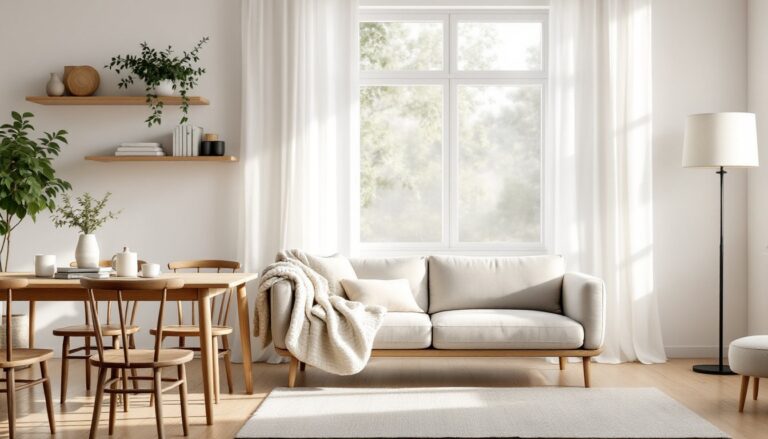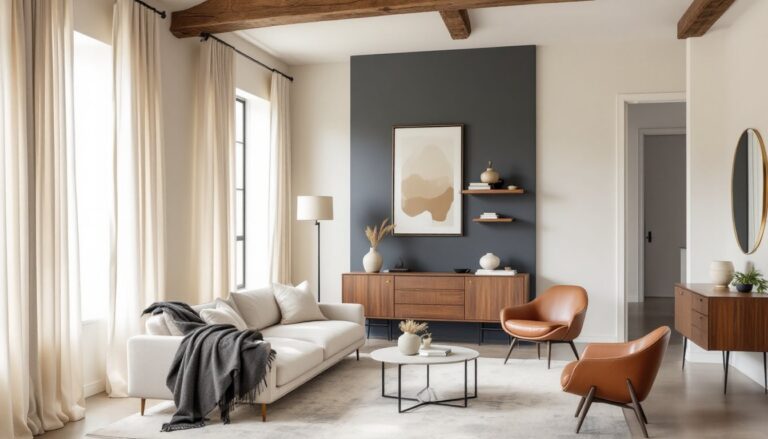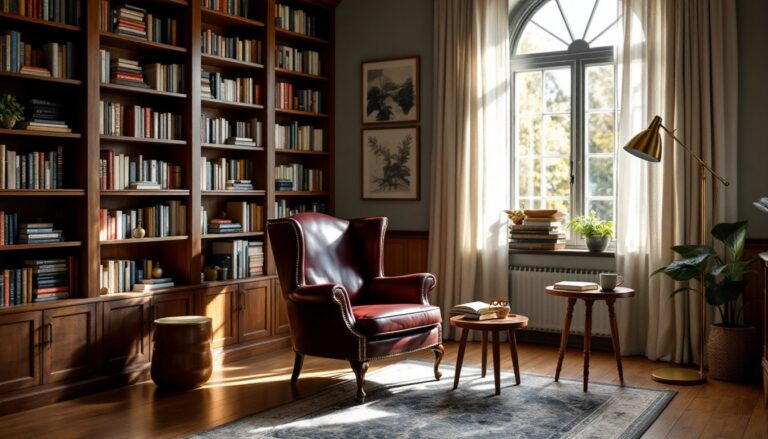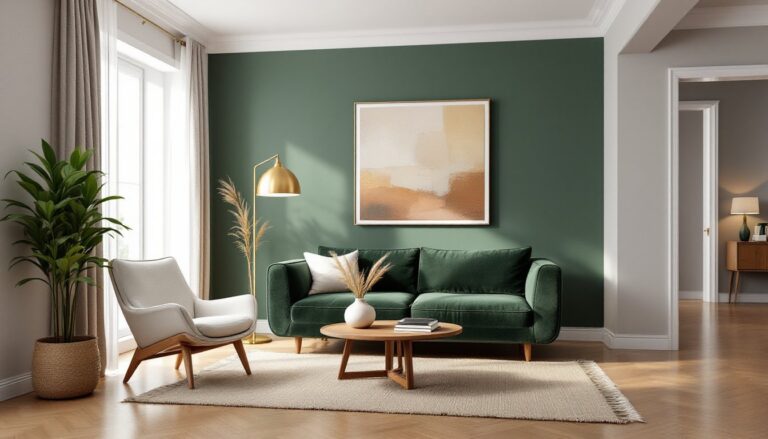
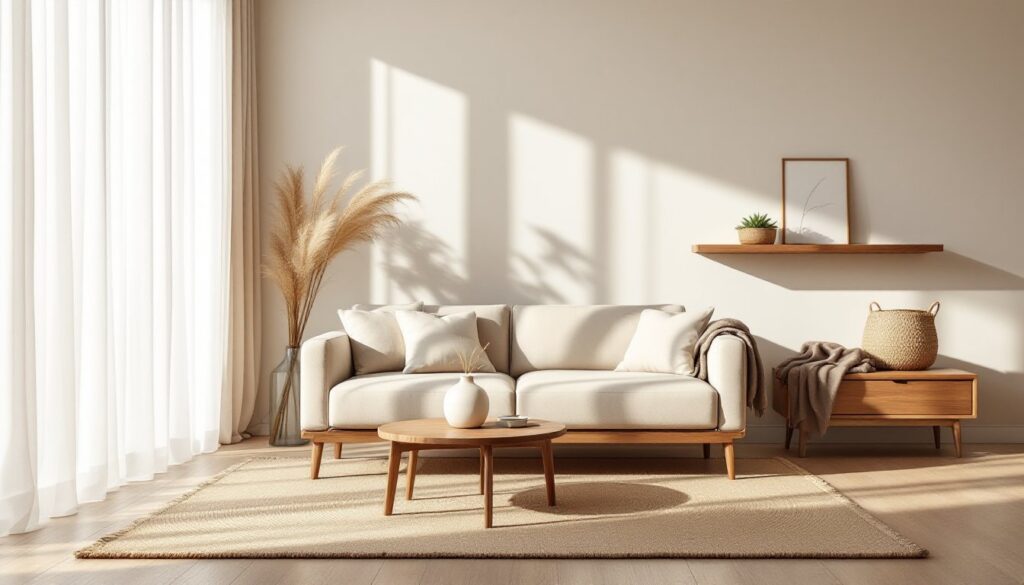
Japandi style has become one of the most requested interior design approaches for homeowners looking to balance calm minimalism with livable comfort. It’s not a decorating trend that’ll look dated in two years, it’s a practical design framework that merges Japanese wabi-sabi philosophy with Scandinavian hygge functionality. The result? Spaces that feel uncluttered but warm, intentional but not precious. For DIYers and homeowners planning renovations or room refreshes, understanding Japandi principles means making smarter choices about paint, furniture, materials, and layout, not just shopping for a specific aesthetic.
Table of Contents
ToggleKey Takeaways
- Japandi interior design style merges Japanese minimalism with Scandinavian hygge to create spaces that are uncluttered yet warm, avoiding both stark minimalism and cluttered coziness.
- Core Japandi principles include functional minimalism, natural materials like wood and linen, visible craftsmanship, and generous use of negative space for a calm, intentional aesthetic.
- Choose warm neutral paint colors, matte or oiled wood finishes, and muted accent colors like charcoal or deep green to establish an authentic Japandi palette.
- Prioritize low-profile, solid wood furniture with clean lines and exposed joinery over bulky pieces; float furniture to create flow and measure carefully to maximize openness in smaller spaces.
- Start implementing Japandi by editing existing furniture first, upgrading to natural textiles, installing soft lighting on dimmers, and adding custom storage to eliminate clutter.
- Avoid common mistakes like over-styling with decor, using high-gloss finishes, mixing incompatible styles, or sacrificing functionality for aesthetics—Japandi success requires balancing minimalism with livable comfort.
What Is Japandi Interior Design?
Japandi is a design hybrid that pulls from two culturally distinct but philosophically compatible traditions: Japanese minimalism and Scandinavian functionalism. Japanese design emphasizes simplicity, natural materials, and respect for craftsmanship, concepts rooted in wabi-sabi, the appreciation of imperfection and impermanence. Scandinavian design, meanwhile, prioritizes comfort, light, and practical beauty, hygge in built form.
When combined, Japandi creates interiors that are restrained but not cold, minimal but not sterile. It avoids the starkness sometimes associated with pure minimalism and the clutter that can creep into cozy Scandi spaces. Think clean lines, muted tones, and furniture that serves a purpose without shouting for attention.
This style works especially well in homes where space is limited or where homeowners want rooms to serve multiple functions. It’s not about buying a specific product line, it’s about editing what you have, choosing quality over quantity, and letting materials like wood, linen, and stone do the visual work.
Core Principles of Japandi Style
Functional minimalism sits at the heart of Japandi. Every piece in a room should earn its place. That doesn’t mean bare walls and empty corners, it means avoiding decorative clutter and choosing furniture that works hard. A bench with hidden storage, a dining table that doubles as a workspace, or open shelving that displays only what’s useful or meaningful.
Natural materials anchor the palette. Wood is the backbone, oak, walnut, teak, or ash in medium to dark tones. Avoid high-gloss finishes: opt for matte or oiled wood that shows grain and texture. Linen, cotton, wool, and rattan add tactile warmth without pattern overload. Stone and ceramic appear in countertops, sinks, and tableware.
Craftsmanship and quality matter more than trends. Japandi spaces often feature handmade or artisan-made items: a hand-thrown ceramic vase, a wooden stool with visible joinery, or a woven basket that isn’t trying to hide its construction. This approach to intentional design values longevity and authenticity.
Balance and restraint guide layout decisions. Negative space, empty floor, clear walls, breathing room around furniture, is treated as a design element, not wasted square footage. Rooms feel open but grounded, with low-profile furniture and horizontal lines that emphasize calm.
Color Palette and Materials
Japandi color schemes run neutral, but not bland. The foundation is typically warm whites, soft grays, beiges, and taupes. Think Benjamin Moore White Dove, Sherwin-Williams Accessible Beige, or Farrow & Ball Skimming Stone, colors with enough warmth to avoid feeling clinical.
Accent colors stay muted: charcoal, deep greens, terracotta, or muted indigo. These appear sparingly, a throw pillow, a single wall, or a ceramic bowl. Avoid high-contrast palettes or anything neon.
Wood tones do much of the heavy lifting. Medium-to-dark woods like walnut or oak bring warmth and visual weight. If you’re installing new flooring, consider wide-plank oak in a matte or natural oil finish (3-inch to 5-inch planks, actual dimensions). Skip glossy polyurethane: it reads too formal.
Textiles should feel substantial but not fussy. Linen curtains, wool throws, cotton canvas, and jute rugs all fit. Avoid busy patterns, solid colors, subtle stripes, or organic textures work better than florals or geometric prints.
For hard surfaces, matte or honed finishes trump polished ones. A honed marble countertop, matte tile backsplash, or concrete-look porcelain floor feels more Japandi than anything shiny. Many DIYers overlook this detail, but finish choice affects the entire room’s tone.
Furniture and Layout Essentials
Japandi furniture runs low-profile and streamlined. Look for pieces with clean lines, exposed joinery, and minimal ornamentation. Platform beds, low sofas, and benches feel more grounded than tall armoires or overstuffed recliners.
Choose solid wood over veneers when budget allows. A solid oak dining table or walnut credenza will outlast particleboard and develop character over time. If you’re building custom pieces, consider dados, mortise-and-tenon joints, or dowel construction, traditional joinery that shows craftsmanship without being showy.
For seating, prioritize comfort without bulk. A low sofa with linen upholstery and wooden legs works better than a leather sectional. Accent chairs in natural fiber or bentwood add seating without visual clutter.
Layout should emphasize flow and openness. Avoid pushing all furniture against walls. Float a sofa to define a seating area, or use a low bookshelf as a room divider. Leave at least 30 inches of clearance for walkways (actual measurement, not nominal). In smaller rooms, measure twice before committing to furniture placement, tight spaces benefit from precise layouts that don’t block sightlines or natural light.
Storage should be intentional and often hidden. Built-in cabinetry, benches with lift-up lids, or modular shelving keeps clutter out of sight. If you’re tackling a condo interior project or smaller square footage, consider custom storage solutions rather than off-the-shelf units that waste vertical space.
How to Incorporate Japandi Design in Your Home
Start with paint and flooring. Repaint walls in a warm neutral, test samples in natural light before committing. If replacing flooring, wide-plank engineered hardwood or luxury vinyl plank (LVP) in a matte wood-look finish offers durability and the right aesthetic. LVP is a solid choice for DIY installs: it’s click-lock, doesn’t require acclimation like solid wood, and handles moisture better in kitchens or basements.
Edit existing furniture. Before buying new pieces, remove anything that doesn’t serve a clear function or bring you satisfaction. Japandi isn’t about replacing everything, it’s about curating what stays. A well-made vintage piece often fits better than new mass-market furniture.
Layer in natural textures. Swap synthetic rugs for jute or wool. Replace polyester curtains with linen panels. Add a wooden tray, ceramic planters, or woven baskets. These small changes shift the material balance without requiring structural work. For more ideas on adding warmth and texture, explore principles from cozy interior design that overlap with Japandi’s focus on tactile comfort.
Upgrade lighting. Japandi spaces rely on soft, diffused light. Swap harsh overhead fixtures for paper pendants, wooden sconces, or dimmable LED recessed lights. Aim for 2700K to 3000K color temperature (warm white). If installing new fixtures, make sure they’re on dimmers, light control is key.
Incorporate plants sparingly. A single fiddle-leaf fig, a potted olive tree, or a simple bonsai brings life without clutter. Avoid tchotchke-heavy plant stands or overly busy arrangements. Popular design resources like Decoist often feature Japandi-inspired plant styling that balances greenery with restraint.
DIY custom storage or shelving. Building simple floating shelves from 1×10 or 1×12 oak or walnut boards (actual dimensions: 3/4″ x 9-1/4″ or 3/4″ x 11-1/4″) can add functional display space. Use concealed brackets for a clean look. Sand to 220-grit, apply natural oil or matte poly, and install level. This is a weekend project that delivers high visual impact.
If you’re comparing Japandi to other minimal styles, note that it differs from the industrial interior trend, Japandi avoids exposed metal, raw concrete, and urban grit in favor of organic warmth.
Common Mistakes to Avoid
Over-styling with decor. Japandi is not a maximalist trend. Resist the urge to fill every shelf or wall. Leave space for the eye to rest. One well-chosen ceramic piece outweighs five mass-produced items.
Choosing the wrong wood finishes. High-gloss polyurethane, orange-toned stains, or distressed finishes clash with Japandi’s refined simplicity. Stick with natural oils, matte sealers, or light stains that let wood grain show.
Ignoring scale and proportion. Oversized furniture overwhelms the minimalist framework. A bulky sectional or heavy coffee table can kill the light, airy feel. Measure your room and choose pieces that fit the space, not just physically, but visually.
Mixing too many styles. Japandi pairs well with mid-century modern or Scandinavian pieces, but doesn’t play nicely with ornate traditional, shabby chic, or modern Art Deco elements. Keep the visual language consistent.
Skipping the edit. Before adding new elements, remove what doesn’t belong. Clutter kills the Japandi vibe faster than any single design choice. Be ruthless.
Forgetting function. Minimalism should enhance daily life, not make it harder. If a room looks great but doesn’t work for your household, it’s not successful Japandi. Balance aesthetics with real-world use, storage, seating, work surfaces, and lighting all need to function well. For insights on balancing form and function, understanding the distinction between interior architecture and interior design can clarify how spatial planning supports aesthetic goals.
Conclusion
Japandi isn’t a decorating shortcut, it’s a mindset that values quality, restraint, and intentional living. Whether you’re repainting a room, refinishing floors, or building custom furniture, the principles remain the same: choose natural materials, edit ruthlessly, and let function guide form. The result is a home that feels both calm and livable, minimal without being cold. For more room-specific guidance and design inspiration, MyDomaine offers styling tips that complement the Japandi approach.