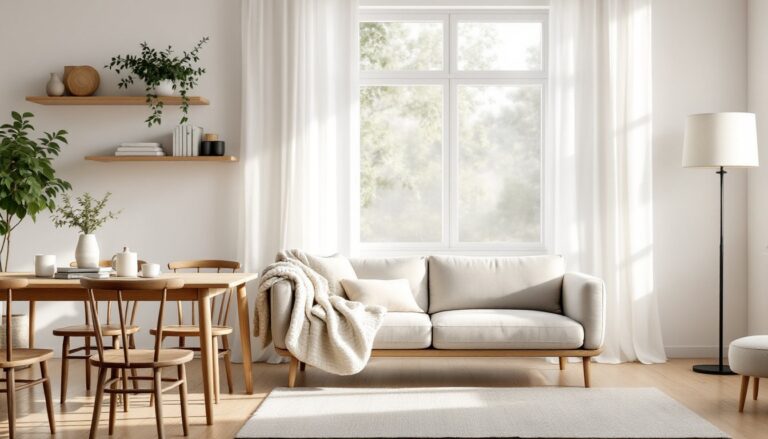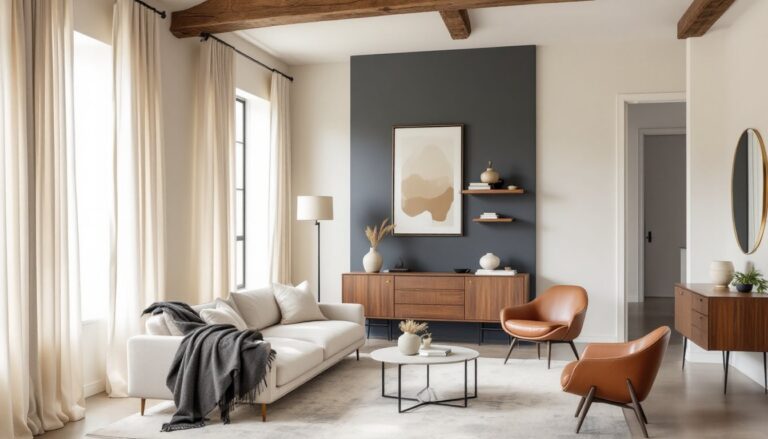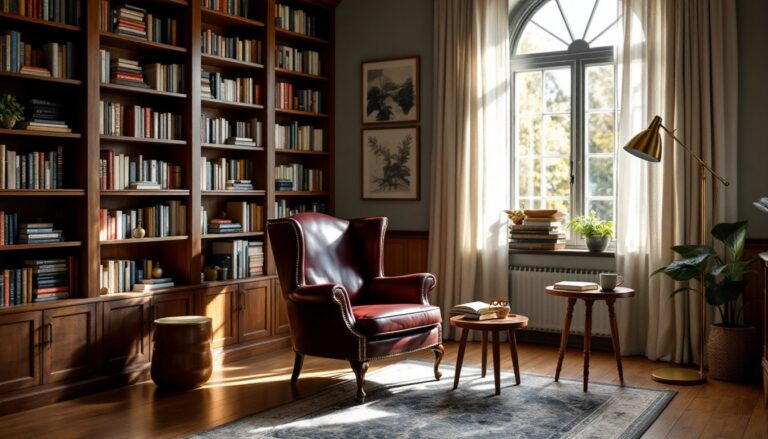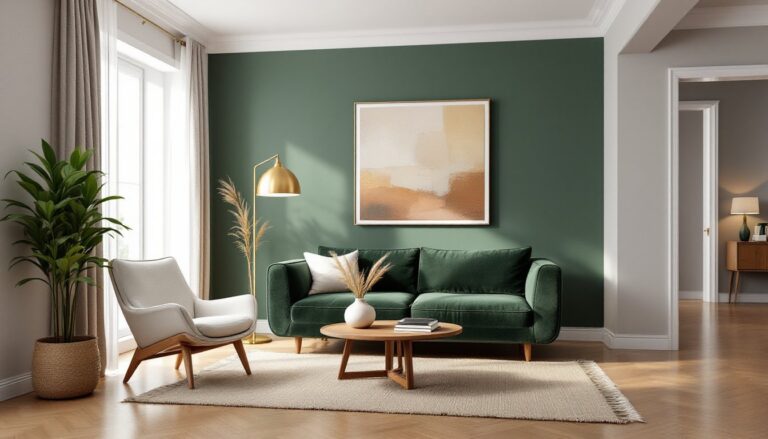
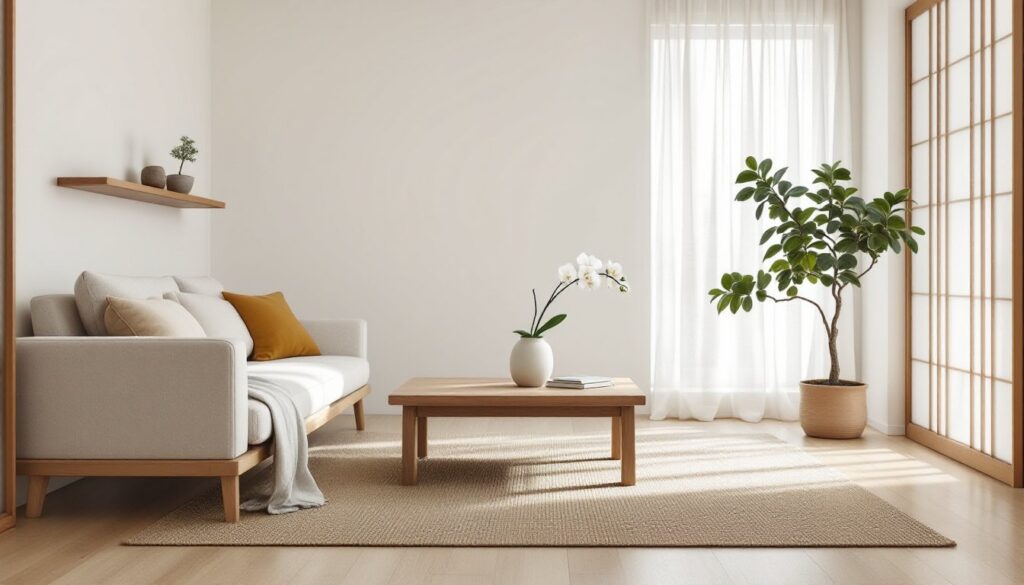
Creating a peaceful, balanced living space doesn’t require a complete gut renovation or a five-figure budget. Asian Zen interior design brings calm to chaotic homes through deliberate material choices, stripped-down layouts, and a philosophy that values quality over quantity. This approach borrows from centuries-old Japanese and Chinese design traditions, where every element serves a purpose and clutter is seen as visual noise. Whether tackling a single room or rethinking an entire floor plan, homeowners can apply Zen principles using standard materials, basic carpentry skills, and a willingness to let go of excess.
Table of Contents
ToggleKey Takeaways
- Asian Zen interior design creates calm, balanced living spaces through minimalism, natural materials, and intentional spatial harmony without requiring major renovations or large budgets.
- Minimalism in Zen design means editing ruthlessly—every item must earn its place through function, beauty, or emotional value, and negative space is as important as what you place in the room.
- Natural materials like solid wood, stone, bamboo, and untreated textiles are essential to authentic Zen interiors, as they age gracefully and connect occupants to the natural world.
- Neutral, earth-tone color palettes with warm whites, greiges, and subtle accent colors (sage green, soft charcoal, terracotta) promote calm and mimic natural landscapes.
- Low-profile, unadorned furniture with exposed wood legs and floating layouts that maintain clear sightlines create visual flow and encourage movement without overwhelming the space.
- Layered, soft lighting through dimmable fixtures, paper lanterns, and natural light prioritized over artificial sources supports the meditative quality that defines Asian Zen interior design.
What Is Asian Zen Interior Design?
Asian Zen interior design is a stripped-down aesthetic rooted in Buddhist philosophy and traditional Japanese architecture. It emphasizes spatial harmony, natural light, and the absence of unnecessary objects. Unlike Western minimalism, which can feel stark or clinical, Zen spaces aim for warmth through organic textures, think raw wood, stone, and woven fibers.
The term “Zen” refers to a school of Mahayana Buddhism that values meditation and intuition. In design, that translates to rooms that encourage stillness rather than stimulation. You won’t find bold accent walls, gallery clusters, or decorative tchotchkes. Instead, expect low-profile furniture, neutral palettes, and carefully curated focal points like a single bonsai or a hand-thrown ceramic vase.
This isn’t about copying a temple or importing shoji screens wholesale. It’s about adopting principles: clean lines, natural materials, and intentional negative space. A Zen-inspired living room might feature a low platform sofa, a reclaimed wood coffee table, and linen curtains instead of heavy drapes. The goal is to create breathing room, visually and physically, so occupants feel grounded rather than overwhelmed.
Many homeowners drawn to Zen design are reacting to overstuffed interiors or the visual chaos of open shelving trends. If you’ve ever walked into a room and felt your shoulders drop, that’s the response Zen spaces aim for. It’s functional design that doubles as stress relief.
Core Principles of Zen-Inspired Spaces
Minimalism and Intentional Simplicity
Minimalism in Zen design isn’t about deprivation, it’s about editing. Every item in the room should earn its place through function, beauty, or emotional significance. That means clearing surfaces, consolidating storage, and resisting the urge to fill every corner.
Start by auditing what’s in the space. Remove duplicates, broken items, and anything that doesn’t serve a clear purpose. This is harder than it sounds. Most DIYers underestimate how much visual clutter accumulates in baseboards, windowsills, and countertops. Use closed storage, built-in cabinets, low credenzas, or under-bed drawers, to keep necessities out of sight.
Furniture should be low-profile and proportionate to the room. A king-size bed frame in a 10×12 bedroom will dominate the space: a platform bed with integrated side tables maintains flow. Avoid bulky armoires or oversized sectionals. In Zen design, furniture hugs the ground, which lowers the visual center of gravity and makes ceilings feel higher.
Negative space, empty floor and wall area, is as important as what you place in the room. Don’t rush to fill gaps. A single piece of wall art hung at eye level (typically 57–60 inches from the floor to the center of the frame) has more impact than a crowded gallery wall. Leave at least 30–36 inches of walkway clearance around furniture for smooth circulation.
Applying minimalist layout principles in smaller homes can make even compact spaces feel open and breathable.
Natural Materials and Organic Elements
Zen interiors rely on materials that age gracefully and connect occupants to the natural world. Wood, stone, bamboo, linen, and clay are staples. Avoid synthetic finishes, high-gloss laminates, or anything that looks mass-produced.
Wood is the backbone. Use it for flooring, ceiling beams, furniture, and accent walls. Light-toned species like white oak, ash, or maple reflect more light and feel airy. Darker woods like walnut or teak add warmth but can shrink a room if overused. For flooring, ¾-inch solid hardwood or engineered planks in a matte or hand-scraped finish work well. Skip glossy polyurethane: opt for penetrating oil finishes or hard wax oils that let the grain show through.
Stone brings texture and permanence. Use it for fireplace surrounds, bathroom vanities, or accent walls. Limestone, slate, and granite in neutral tones (gray, beige, charcoal) fit the aesthetic. If real stone is out of budget, porcelain tile that mimics natural stone is a solid alternative, just avoid overly uniform patterns.
Bamboo is sustainable and fast-growing, making it a favorite in eco-conscious Zen projects. Bamboo flooring comes in horizontal, vertical, and strand-woven styles. Strand-woven is the most durable (comparable to hardwood) and works in high-traffic areas. Use bamboo for flooring, window shades, or decorative screens.
Textiles should be natural fibers: linen, cotton, jute, or wool. Linen curtains filter light softly without blocking it. Jute or sisal area rugs add warmth underfoot and define zones in open-plan layouts. Avoid synthetic blends or heavily patterned fabrics: stick to solids or subtle weaves.
Bring living elements indoors. A potted fiddle-leaf fig, snake plant, or bamboo palm adds vertical interest without visual weight. Bonsai trees, orchids, or a shallow dish garden (using moss and stones) serve as meditative focal points. Avoid fussy arrangements, one or two well-placed plants is enough.
Essential Design Elements to Create Your Zen Retreat
Color Palettes That Promote Calm
Zen color schemes are neutral, but not bland. Think earth tones, muted greens, soft grays, and warm whites. The palette should mimic natural landscapes, sand, stone, wood, water, and sky.
Whites and off-whites form the base. Use warm whites with beige or gray undertones rather than stark, cool whites. Benjamin Moore’s “Swiss Coffee” or Sherwin-Williams’ “Alabaster” are popular choices. These shades reflect natural light without the sterile feel of pure white.
Grays add depth. Look for greiges (gray-beige hybrids) like “Agreeable Gray” or “Revere Pewter.” Avoid cool, blue-toned grays, which can feel clinical. Test samples on all four walls: gray shifts dramatically depending on light exposure.
Beiges and taupes ground the palette. Use them for larger furniture pieces, area rugs, or accent walls. Pair with natural wood tones to avoid monotony.
Accent colors should be subtle. Sage green, soft charcoal, warm terracotta, or muted indigo work well in small doses, throw pillows, a single painted door, or pottery. Avoid bright, saturated hues or high-contrast color blocking.
Paint coverage averages 350–400 square feet per gallon with one coat on primed drywall. For smooth, even color, apply two coats minimum. Use low-VOC or zero-VOC paints to maintain indoor air quality, important in a design philosophy centered on well-being.
Consider how light interacts with color throughout the day. North-facing rooms receive cooler, indirect light: warm neutrals compensate. South-facing rooms get strong, warm light: cooler tones balance it. Test paint samples at different times before committing.
For inspiration on calming color schemes, explore how neutral palettes create inviting atmospheres in various settings.
Furniture and Layout for Flow and Balance
Zen furniture is low, unadorned, and scaled to human proportion. Traditional Japanese interiors center around floor seating and low tables: Western adaptations use sofas and chairs with reduced height and visual mass.
Platform beds replace box springs and tall headboards. A simple frame in solid wood or upholstered linen sits 8–12 inches off the floor. Skip ornate carvings or tufted details. Many DIYers build custom platforms using 2×6 or 2×8 framing and ¾-inch plywood topped with a futon or low-profile mattress.
Seating should feel grounded. Look for sofas and chairs with exposed wood legs and seats no higher than 16–18 inches from the floor (standard is 18–20 inches). Avoid puffy cushions or deep tufting. Clean lines and firm upholstery maintain the aesthetic.
Tables follow the same principle. A coffee table at 12–16 inches high pairs with low seating. Dining tables can be standard height (28–30 inches) but should have simple bases, think straight legs or a single pedestal, not ornate aprons or turned details.
Storage is critical but must be concealed. Built-in cabinets with flush, handle-free doors (using push-to-open hardware) maintain clean walls. Floating shelves in natural wood display a few curated objects, not collections. A single shelf at 60–72 inches above the floor is enough: more creates visual clutter.
Layout centers on flow and balance. In a living room, arrange seating to encourage conversation without blocking pathways. Leave clear sight lines from entry to windows. Avoid pushing all furniture against walls: floating a sofa 12–18 inches from the wall creates depth.
Balance doesn’t mean symmetry. A large sofa on one side can balance with two smaller chairs and a plant on the other. The goal is visual equilibrium, not mirrored layouts.
Lighting is layered and soft. Overhead fixtures should be dimmable or supplemented with floor and table lamps. Paper lanterns, rice-paper shades, or frosted glass diffuse light gently. Avoid exposed bulbs or harsh downlights. Natural light is prioritized, use sheer linen or bamboo shades instead of blackout curtains.
Incorporate shoji screens or sliding panels to divide spaces without permanent walls. These can be DIY projects using 1×2 pine or cedar frames and translucent fiberglass panels or rice paper. They allow light to pass through while creating flexible zones.
Safety note: If building custom furniture or installing wall-mounted storage, always locate studs (typically 16 or 24 inches on center) and use appropriate fasteners. Wall-hung cabinets should support at least 50 pounds per linear foot when properly anchored.
Many design platforms offer visual examples of Zen-inspired furniture arrangements and material pairings for further reference.
Texture plays a role in balance. Pair smooth plaster walls with rough-sawn wood beams, or a polished concrete floor with a woven jute rug. Contrast keeps the space from feeling flat without adding visual noise.
Zen design isn’t about perfection, it’s about intention. Each choice, from the width of a window trim to the height of a chair, should support calm and clarity. Take your time, edit ruthlessly, and let the space breathe.