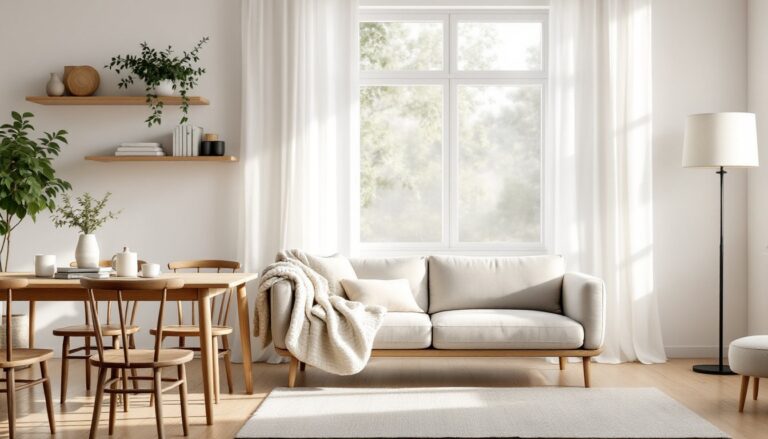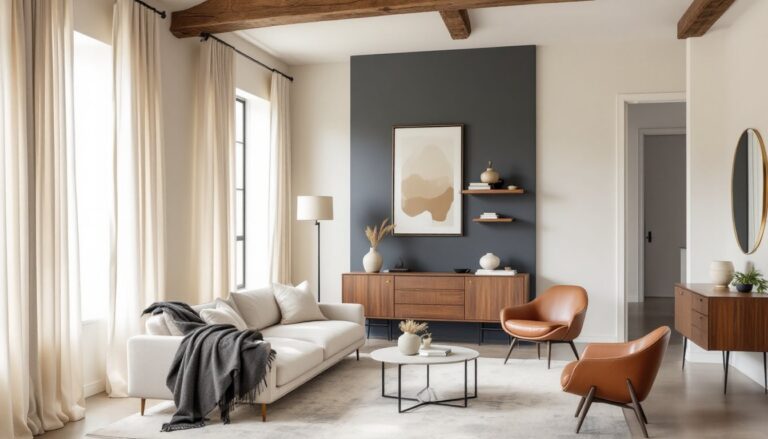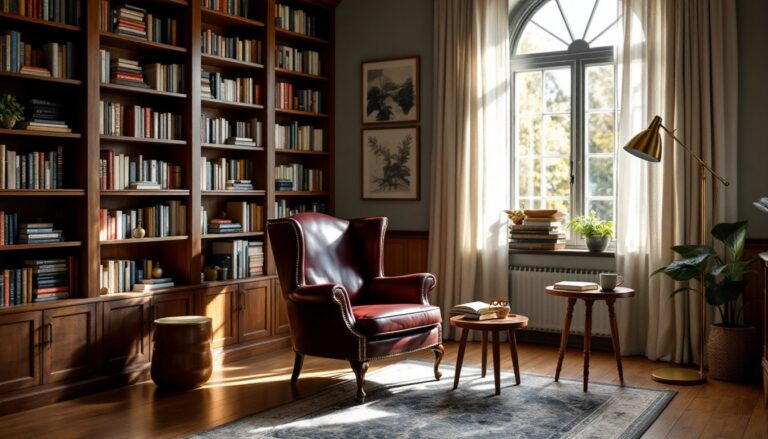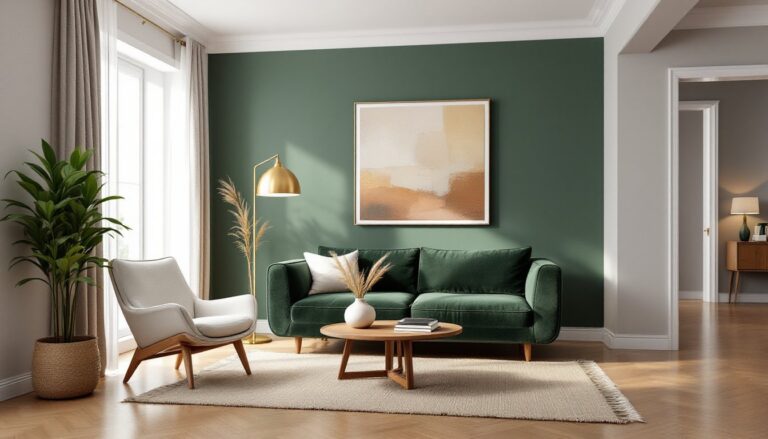
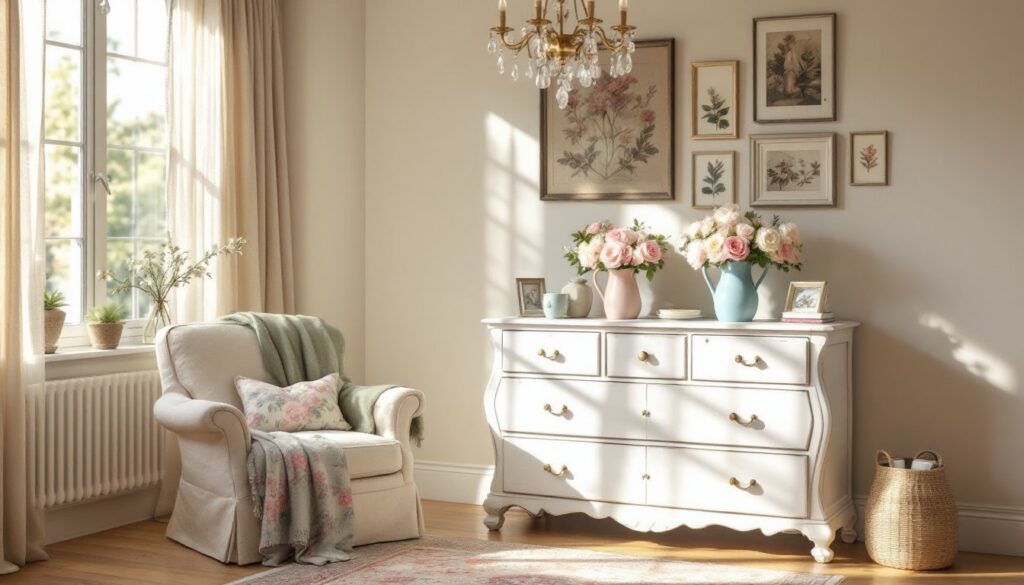
Shabby chic isn’t about following a rigid rulebook, it’s about capturing a lived-in elegance that feels both rescued and refined. This style blends weathered furniture, soft pastels, and vintage textiles into spaces that look like they’ve aged gracefully over decades. Unlike stark minimalism or glossy modern designs, shabby chic celebrates imperfections: chipped paint, worn upholstery, and mismatched pieces that somehow harmonize. Homeowners drawn to this aesthetic appreciate its forgiving nature, it’s one of the few styles where a scratch or fade improves a piece rather than ruins it. This guide walks through the defining elements, practical execution, and common pitfalls of shabby chic design.
Table of Contents
ToggleKey Takeaways
- Shabby chic interior design celebrates intentional imperfections and aged elegance rather than perfection, making it a forgiving style where worn surfaces and mismatched pieces create timeless charm.
- Soft color palettes of warm whites, dusty pastels, and sun-bleached tones form the foundation of shabby chic rooms, with colors applied in layered doses throughout walls, furniture, and textiles.
- Furniture selection should prioritize solid wood construction and good bones from estate sales and antique markets, paired with strategic distressing techniques that mimic natural wear on edges and corners rather than uniform coverage.
- Layer textiles generously with linen throws, vintage quilts, varied pillows, and soft window treatments like lace panels or café curtains to achieve the romantic, collected-over-time aesthetic that defines shabby chic.
- DIY shabby chic projects like chalk-painted furniture, upholstered headboards, and gallery walls are beginner-friendly and cost-effective compared to buying mass-produced distressed pieces from big-box retailers.
- Avoid common pitfalls including over-distressing, poor scale matching, cool-toned whites, chaotic pattern mixing, and prioritizing aesthetics over function to ensure your shabby chic space remains livable and visually cohesive.
What Is Shabby Chic Interior Design?
Shabby chic interior design emerged in the 1980s as a reaction against polished, formal decorating. British designer Rachel Ashwell popularized the term, describing a look built around distressed furniture, vintage finds, and romantic fabrics. The style borrows heavily from English country cottages, French Provincial estates, and American farmhouse traditions, blending them into something that feels timeless rather than tied to a specific era.
At its core, what is shabby chic interior design? It’s a layered approach that prioritizes comfort, patina, and history over perfection. Think whitewashed dressers with visible wood grain peeking through, upholstered chairs in faded florals, and mismatched china displayed on open shelving. The “shabby” refers to intentional wear, surfaces that look hand-rubbed, not factory-distressed. The “chic” comes from thoughtful curation: selecting pieces with elegant lines, quality construction, and cohesive color stories.
This style thrives on mixing high and low. A flea market chandelier might hang above a dining table salvaged from a barn, paired with modern linen napkins and vintage silverware. The key is balancing aged elements with livable function, a sofa might look antique, but it should still support your back during movie night.
Key Elements of Shabby Chic Style
Distressed and Vintage Furniture
Furniture forms the backbone of shabby chic rooms. Look for pieces with curved legs, carved details, and substantial frames, armoires, vanities, drop-leaf tables, and slipcovered sofas. Wood finishes should appear gently aged: chalky white paint with sanded edges exposing darker wood beneath, or natural oak and pine with honey-toned patina.
Authentic vintage pieces from estate sales and auctions bring built-in character, but quality reproductions work too if properly distressed. When refinishing furniture for this look, skip heavy sanding in favor of dry brushing or wet distressing techniques that create natural-looking wear patterns. Focus wear on edges, corners, and areas hands would naturally contact over decades. Avoid uniform distressing, real age is inconsistent. Some enthusiasts even employ furniture makeover techniques that replicate years of gentle use.
Upholstered furniture should feature soft silhouettes and washable slipcovers in light neutrals or faded patterns. Linen, cotton duck, and worn velvet are ideal fabrics. Avoid crisp, new-looking upholstery, even fresh fabric should have a relaxed, lived-in drape.
Soft, Romantic Color Palettes
Shabby chic relies on hushed, sun-bleached tones that create calm, airy spaces. White serves as the foundation, not stark builder’s white, but warmer shades with cream, gray, or pink undertones. Soft pastels add gentle contrast: dusty rose, powder blue, sage green, lavender, and buttery yellow.
These colors appear throughout the room in layered doses. Walls might be painted in warm white (Benjamin Moore’s Simply White or Sherwin-Williams’ Alabaster are popular choices), while furniture introduces subtle color through painted finishes or fabric. Accents come via vintage textiles, a faded quilt in robin’s-egg blue, linen pillows in blush pink, or a floral rug in muted greens.
Avoid bold, saturated hues or high-contrast schemes. Even darker accent colors should feel softened, like charcoal gray instead of black, or weathered navy rather than bright cobalt. The goal is a palette that looks naturally faded by sunlight streaming through lace curtains.
How to Achieve the Shabby Chic Look in Your Home
Start with paint. Choose a base color in the warm white or soft gray family and apply it to walls using flat or eggshell finish, gloss reads too modern. If your home has architectural details like crown molding, picture rails, or paneling, paint them the same color for a cohesive, monochromatic effect.
Next, source furniture strategically. Estate sales, antique malls, and online marketplaces yield the best finds. Look for solid wood construction, particleboard won’t survive refinishing. Prioritize pieces with good bones over perfect finish: you’ll be altering the surface anyway. A scratched oak dresser with dovetail drawers beats a flawless veneer piece every time.
When arranging furniture, embrace asymmetry. Unlike formal traditional rooms with matched pairs of everything, shabby chic thrives on collected-over-time layouts. Pair a vintage settee with a modern reading chair, or flank a bed with mismatched nightstands. This approach mirrors how cozy interior design creates inviting spaces through layered, personal touches.
Layer textiles generously. Drape linen throws over sofas, stack pillows in varying patterns and textures, and use vintage quilts as bedspreads or tablecloths. Window treatments should be light and romantic, lace panels, sheer linen curtains, or simple café curtains that filter rather than block light. Avoid heavy drapes or structured treatments.
Lighting plays a crucial role. Swap builder-grade fixtures for vintage-inspired options: crystal chandeliers (even small ones make an impact), glass pendant lights, milk glass sconces, or rewired antique lamps. Choose bulbs in warm white (2700K-3000K) to enhance the soft, golden atmosphere. Many designers reference shabby-chic living room layouts when planning lighting placement for maximum romantic ambiance.
Finish with accessories that tell stories. Display vintage books, ceramic pitchers filled with garden flowers, framed botanical prints, or collections of ironstone or transferware. Open shelving shows off these items better than closed cabinets. Keep surfaces slightly cluttered, not messy, but lived-in, as if someone actually uses and enjoys these objects daily.
DIY Shabby Chic Projects for Beginners
Painting furniture is the most accessible entry point. Here’s the process:
- Clean the piece thoroughly with TSP (trisodium phosphate) or a degreaser. Rinse and let dry completely, 24 hours in a well-ventilated space.
- Light sanding with 220-grit paper removes gloss and improves paint adhesion. Wipe dust with a tack cloth.
- Apply primer (Zinsser or Kilz in white or gray) if covering dark wood or glossy finishes. One thin coat is usually sufficient.
- Paint with chalk paint or latex paint mixed with calcium carbonate for a matte, chalky finish. Use a good-quality brush (2.5-inch angled sash brush works well) and apply 2-3 thin coats, letting each dry 2-4 hours.
- Distress once fully dry (wait 24 hours). Use 150-grit sandpaper on edges, corners, and details where natural wear would occur. For deeper distress, use a sanding block or even a damp rag to remove paint in spots.
- Seal with clear wax (for authentic vintage feel) or water-based polyurethane in satin finish (for durability). Wax requires reapplication every few years but looks more authentic.
Safety note: Wear a dust mask during sanding, nitrile gloves when using TSP or wax, and work in a well-ventilated area. If refinishing furniture built before 1978, test for lead paint first.
Another beginner-friendly project: fabric-covered bulletin boards or upholstered headboards. Cut plywood or MDF to size (a circular saw with a straightedge guide gives clean cuts), wrap with batting (1-inch thick polyester works well), then staple vintage fabric over it using a pneumatic stapler or manual upholstery stapler. Space staples every 2 inches for taut, wrinkle-free coverage.
Creating a shabby chic gallery wall requires just a hammer, picture hangers, and an assortment of vintage frames. Paint frames in coordinating whites and creams (you don’t need exact matches, slight variations add character), then fill with botanical prints, old family photos, or pages from vintage books. Arrange on the floor first, then transfer to the wall, spacing frames 2-3 inches apart.
Common Mistakes to Avoid When Decorating Shabby Chic
Over-distressing tops the list. Authentic shabby chic shows gentle, natural wear, not aggressive gouges or uniform sanding that screams “craft project.” If you can see bare wood across 30% or more of a painted surface, you’ve gone too far. Real age accumulates slowly in specific spots, not everywhere at once.
Ignoring scale creates cluttered, cramped spaces. While shabby chic embraces layered decor, furniture must fit the room proportionally. An oversized armoire overwhelms a small bedroom: tiny accent pieces disappear in a large living room. Just as condo interior design requires careful spatial planning, shabby chic needs appropriately sized pieces that leave breathing room.
Choosing the wrong white is surprisingly common. Cool whites with blue or gray undertones clash with the warm, romantic feel of shabby chic. Test paint samples on all walls, observing them in morning, afternoon, and evening light before committing. If the white looks icy or stark, it’s wrong for this style.
Mixing too many patterns creates visual chaos. Stick to 2-3 complementary patterns per room: perhaps a floral, a stripe, and a small geometric or check. Keep patterns in the same color family and vary their scale (one large print, one medium, one small) for cohesion. Unlike modern art deco interiors that can handle bold pattern mixing, shabby chic needs restraint.
Neglecting function for aesthetics undermines livability. A vintage chair looks beautiful, but if its springs are shot, it’s frustration, not furniture. Reupholster worn seating, reinforce wobbly joints with wood glue and corner braces, and ensure lighting is adequate for tasks, not just ambiance. Beauty matters, but so does comfort.
Buying everything new and “distressed” misses the point entirely. Mass-produced shabby chic furniture from big-box stores often looks obviously fake, the distressing is too uniform, the materials too flimsy. Real shabby chic blends authentic vintage finds with selectively chosen new pieces. Hunt estate sales, learn basic refinishing, and invest time rather than just money. The style rewards patience and resourcefulness over instant gratification.