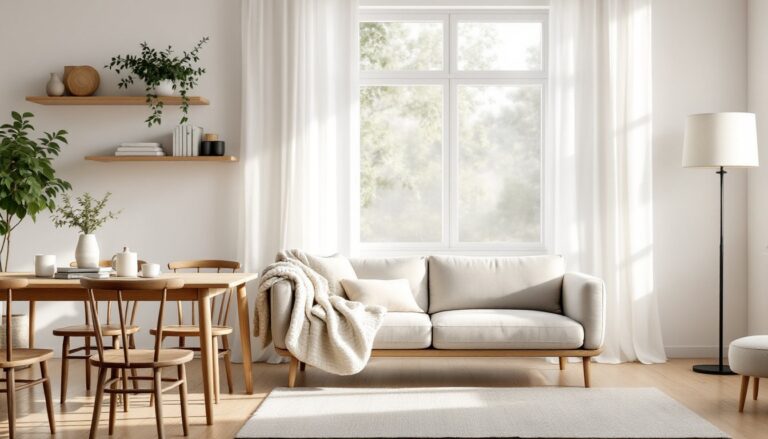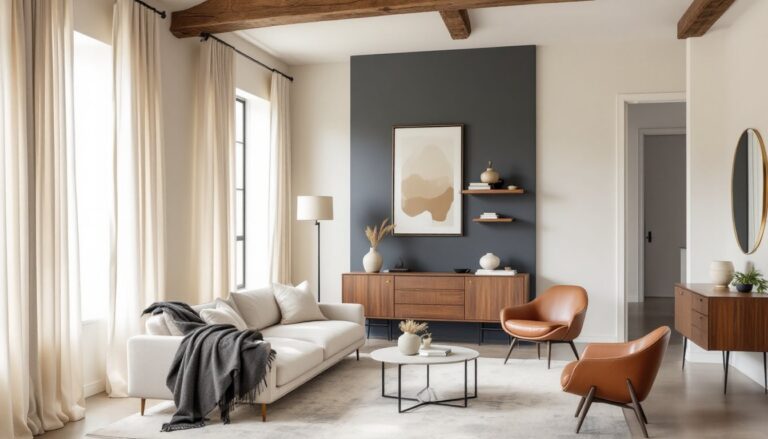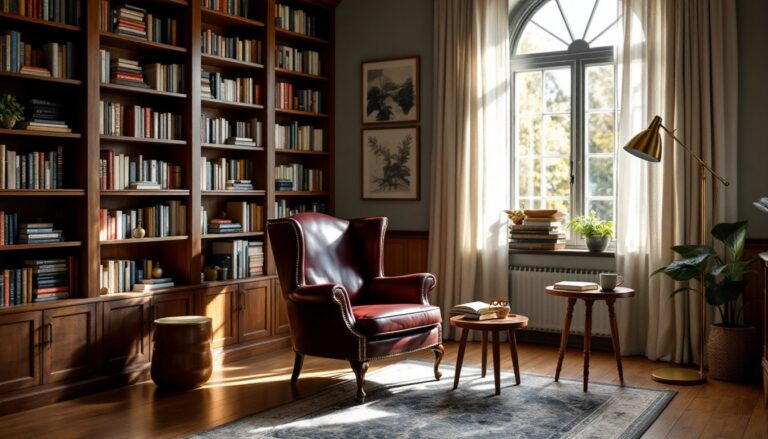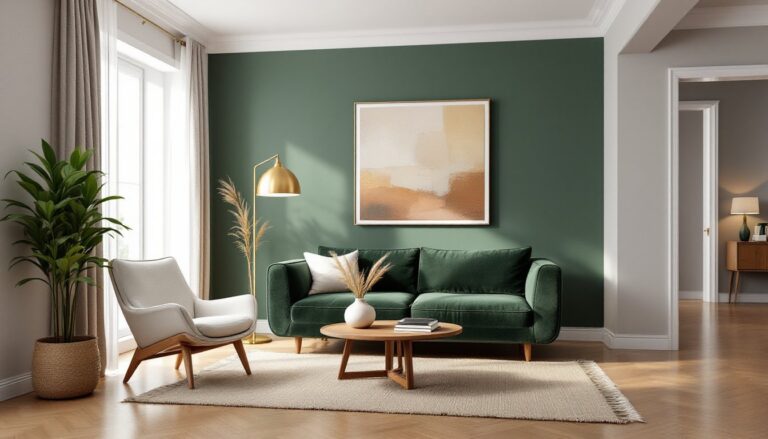
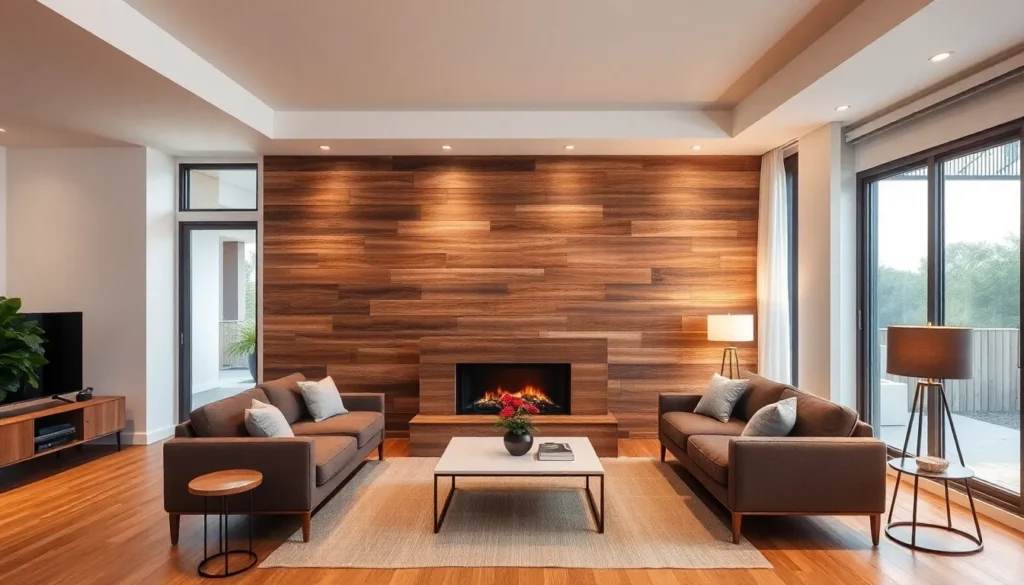
Textured walls are the unsung heroes of interior design, transforming bland spaces into stunning showcases. Imagine walking into a room where every wall tells a story, inviting curiosity and sparking conversation. With the right textured wall decor, a flat surface becomes a canvas of creativity, adding depth and personality that flat paint could only dream of.
Overview of Textured Walls Decor
Textured walls in interior design play a significant role in enhancing visual appeal. These surfaces add depth and personality, transforming ordinary spaces into inviting environments.
Definition and Evolution
Textured walls refer to surfaces designed to create a tactile experience through various techniques. Techniques include plastering, stucco, and using materials like wood or stone. Initially popularized in the early 20th century, textured walls gained momentum as a means to showcase creativity. Designers embraced these surfaces to break the monotony of flat walls. Over decades, trends evolved to include modern interpretations, reflecting changes in aesthetic preferences and technological advancements.
Popular Styles and Designs
Various styles characterize textured walls, each offering unique visual and tactile experiences. Examples include rustic wood paneling, which brings warmth to a room. Geometric patterns create a contemporary feel, while stucco adds an element of Mediterranean charm. Fabrics, such as textured wallpaper, often provide a cozy atmosphere through soft materials. Metallic finishes can introduce a sleek, modern touch, appealing to minimalist aesthetics. Various options exist, allowing individuals to select styles that resonate with their personal tastes and enhance their spaces.
Benefits of Textured Walls Decor
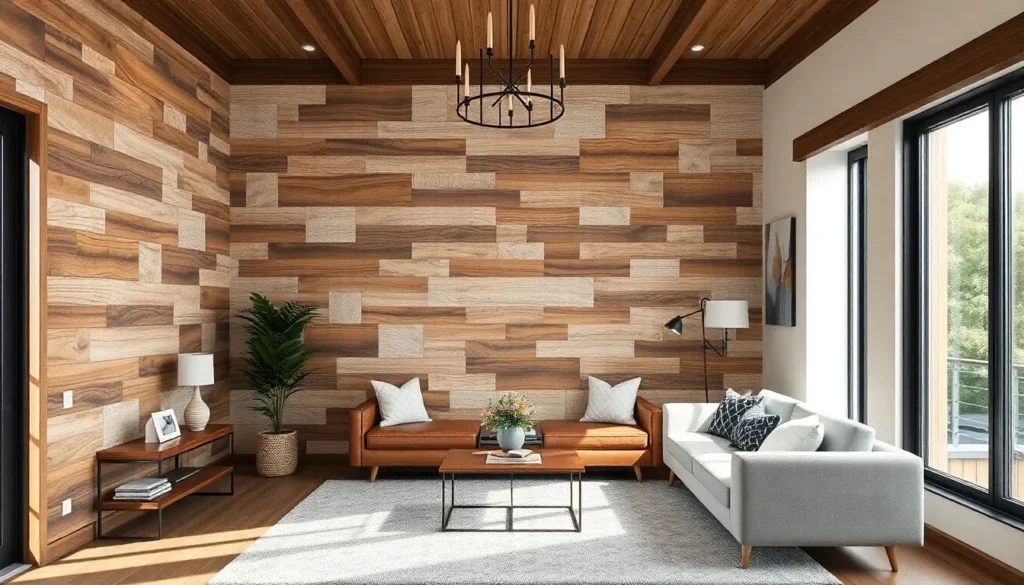
Textured walls decor offers numerous advantages that elevate interior spaces. From enhancing visual interest to providing functional benefits, their impact is significant.
Aesthetic Appeal
Textured walls enrich rooms with depth and character. Different designs, such as rustic wood paneling or geometric patterns, draw the eye and stimulate conversation. Metallic finishes can add a touch of luxury, while stucco surfaces impart a Mediterranean charm. Each style caters to unique tastes, transforming limited flat surfaces into artistic expressions. Artistic techniques ensure that no two walls appear the same, which further enhances their appeal. Homeowners often find that these dramatic textures can redefine overall room atmospheres.
Practical Advantages
Textured walls introduce practical benefits alongside their visual appeal. These surfaces conceal imperfections effectively, making them ideal for older homes or poorly finished walls. Maintenance often becomes easier since textures can mask wear and tear better than smooth finishes. Additionally, certain materials provide sound absorption, helping to create a quieter environment within busy households. Durability is another strong point; textured finishes often resist scratches and wear better, extending the lifespan of wall surfaces. Overall, textured walls combine beauty with functionality, making them a wise choice for various settings.
How to Choose Textured Walls Decor
Selecting the right textured walls decor involves considering various factors that enhance the aesthetic and functionality of a space.
Consider Your Space
Evaluate the size and layout of a room before choosing textured wall decor. Larger rooms can accommodate bold designs and intricate textures, while smaller spaces benefit from subtle textures that don’t overwhelm. Assess the existing color palette to ensure texturing complements the decor. Balance busy styles with simple furnishings to avoid visual clutter. Natural light also influences texture perception; lighter textures work well in brighter spaces, while darker colors add warmth in rooms with limited natural light.
Material Options
Explore a variety of materials to achieve the desired textured effect. Wood paneling adds rustic charm and warm tones, creating an inviting atmosphere. Stucco lends a Mediterranean feel, perfect for enhancing traditional or contemporary homes. Wallpaper featuring textures presents a quick application method with endless design options, simplifying the decorating process. Metallic finishes bring elegance and sophistication, reflecting light to brighten the room. Consider durability and maintenance requirements of each material; some textures require more upkeep, while others withstand wear and tear effectively.
Installation Tips for Textured Walls Decor
Consider whether to tackle the installation of textured wall decor as a DIY project or to hire professionals. DIY installation provides control over the process and can save on costs. However, complex patterns or materials may require professional expertise for optimal results. Weigh the pros and cons carefully before making a decision.
DIY vs. Professional Installation
DIY projects suit homeowners comfortable with tools and home improvement tasks. They often save money while allowing for creative freedom. Factors such as design complexity and material type influence the decision. Professionals offer expertise and experience, ensuring quality results for intricate designs or large-scale installations. In cases where time is a constraint, hiring specialists might make more sense. Ultimately, the choice aligns with the homeowner’s skill level and desired outcome.
Essential Tools and Techniques
Equipping oneself with essential tools makes the installation process smoother. Painter’s tape, a level, and a trowel are fundamental for aligning and applying materials accurately. Brushes or rollers are necessary for applying paint or finishes evenly. Using a spray gun facilitates the application of certain textures, speeding up the process. Following proper techniques during installation, such as applying an even layer of texture and allowing adequate drying time, ensures a polished look. Reviewing video tutorials can enhance understanding and provide additional tips for achieving flawless results.
Maintenance of Textured Walls Decor
Maintaining textured walls decor ensures their longevity and continued visual appeal. Routine care involves specific cleaning and repair techniques.
Cleaning and Care
Cleaning textured walls requires gentle methods to prevent damage. Regularly dust surfaces with a soft cloth or a vacuum cleaner equipped with a brush attachment. Spills should be wiped promptly to prevent staining. For deeper cleaning, use damp sponges with mild soap, ensuring excess water doesn’t accumulate. Avoid abrasive cleaners, as they can scratch or degrade materials. Depending on the texture, some surfaces may benefit from occasional polishing, which enhances their appearance and durability.
Repairing Common Issues
Repairing common issues such as scuffs or dents can restore the wall’s look. Small scuffs often disappear with gentle cleaning. For deeper scratches, matching the texture with appropriate materials, like joint compound, offers effective solutions. When repairing, follow the texture pattern closely for a seamless finish. Cracks can be filled and painted to blend with the surrounding area. Regular inspections help catch problems early, preventing more extensive repairs. Keeping repair materials on hand simplifies addressing minor damages as they arise.
Textured wall decor offers a dynamic way to elevate interior spaces. By incorporating various styles and materials, homeowners can create environments that reflect their personal tastes while enhancing the overall aesthetic. The versatility of textured walls not only adds visual interest but also serves practical purposes, such as concealing imperfections and improving sound absorption.
With thoughtful selection and proper maintenance, textured walls can remain a stunning focal point for years to come. Whether opting for a DIY project or hiring professionals, the right approach ensures a successful transformation. Embracing textured wall decor is a smart choice for anyone looking to infuse depth and character into their home.