When it comes to building construction, pictures speak louder than words. From sleek modern marvels to charming rustic retreats, each construction type tells a unique story. If you’ve ever found yourself wondering what makes a structure truly stand out, you’re in for a treat. This visual exploration dives into the fascinating world of building types, showcasing everything from towering skyscrapers to cozy cottages.
Table of Contents
ToggleOverview of Building Construction Types
Building construction types vary significantly, encompassing a wide range of materials, styles, and techniques. Traditional wood-frame construction remains popular in residential settings due to its affordability, ease of customization, and energy efficiency. Brick and masonry construction provides durability and aesthetic appeal, commonly found in both commercial and residential buildings.
Steel frame construction supports taller structures, including skyscrapers, by offering strength, stability, and resistance to environmental factors. Concrete construction, particularly reinforced concrete, allows for various forms and finishes, making it versatile for residential and industrial applications.
Sustainable building practices, such as using recycled materials and energy-efficient technologies, are increasingly prevalent. Green roofs and energy-efficient windows improve the ecological footprint of a structure while enhancing comfort.
Modular construction, utilizing pre-fabricated units, streamlines the building process, minimizing on-site assembly time and waste. This method gains traction in both residential and commercial projects, highlighting efficiency and adaptability in construction.
Architecture styles frequently intertwine with construction types. Gothic cathedrals, characterized by towering spires and intricate stonework, illustrate historical craftsmanship. Meanwhile, contemporary designs often focus on minimalist aesthetics and functional spaces, showing an evolution in architectural philosophy.
Visual representations of these construction types aid understanding and appreciation of architectural heritage. Photographs and diagrams showcase how materials shape a building’s appearance and function, allowing a deeper connection to construction methods and styles.
Traditional Building Construction Types
Traditional building construction encompasses various techniques that have evolved over centuries. Two prominent methods include timber frame and masonry construction, each offering distinct characteristics and benefits.
Timber Frame Construction
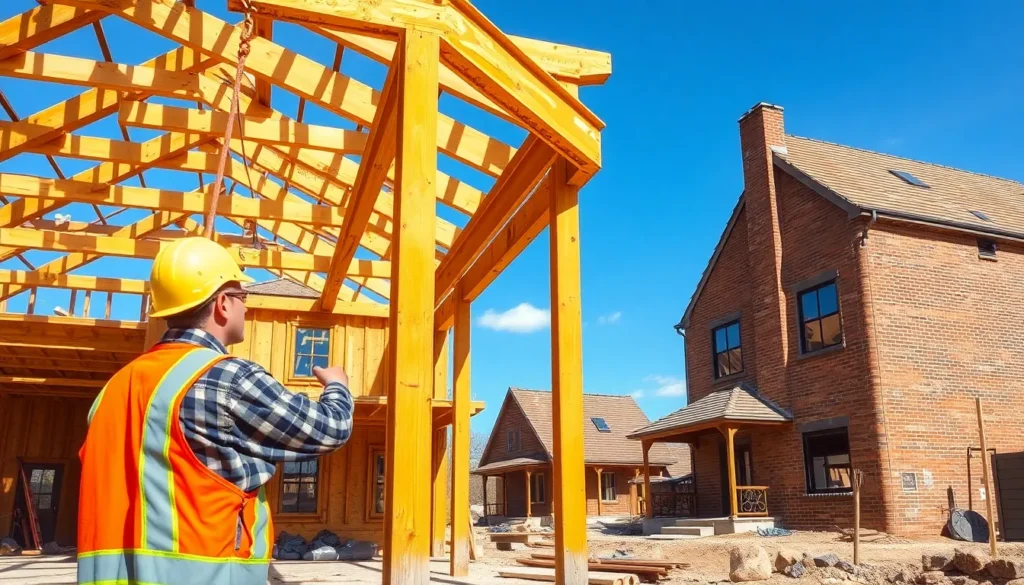
Timber frame construction utilizes large wooden beams to create structural frameworks. This method supports both walls and roofs, allowing for open interior spaces. Builders favor timber frames for their speed and ease of assembly. They achieve good insulation properties, enhancing energy efficiency. Visual examples often show intricate joinery techniques that highlight craftsmanship and aesthetic appeal. This construction type remains popular in residential settings, as it provides a warm, inviting ambiance.
Masonry Construction
Masonry construction employs materials such as brick, stone, or concrete blocks to form walls. Known for durability, masonry structures withstand weather extremes, requiring minimal maintenance. Construction methods vary, including load-bearing and non-load-bearing walls. These techniques accommodate both traditional and contemporary designs. Visual images of masonry often showcase its versatility in creating various architectural styles. Builders appreciate masonry’s fire resistance and soundproofing qualities, making it suitable for diverse applications, from homes to commercial buildings.
Modern Building Construction Types
Modern building construction encompasses various innovative techniques designed for durability and efficiency. This section explores prominent methods, offering insights into their applications and benefits.
Steel Frame Construction
Steel frame construction utilizes a network of steel columns and beams to form the skeleton of a building. This method supports tall structures effectively, accommodating larger spans without excessive load-bearing walls. The lightweight nature of steel reduces overall material use, promoting environmentally sustainable practices. Buildings using steel frames often feature open interiors, allowing for flexible layouts. Moreover, steel’s resistance to termites and mold enhances longevity, making it ideal for various climates. Skylines transformed by iconic skyscrapers exemplify the strategic advantages of this construction type.
Concrete Construction
Concrete construction employs a mix of cement, aggregates, and water to form a solid structure. This versatile material withstands various environmental stresses, including fire and wind, making it widely preferred in urban settings. Reinforced concrete enhances strength through embedded steel bars, permitting the creation of complex architectural forms. Applications range from residential homes to expansive commercial buildings. Concrete also contributes to energy efficiency by providing good thermal mass, which stabilizes indoor temperatures. Many modern structures showcase the aesthetic potential of concrete, integrating it seamlessly into design elements.
Specialty Building Construction Types
Specialty building construction types focus on innovative methodologies tailored to contemporary needs. This section explores two distinct approaches: green building techniques and modular construction.
Green Building Techniques
Green building techniques emphasize sustainability and environmental impact reduction. Designers often incorporate recycled materials to minimize waste. Energy-efficient technologies, such as solar panels and high-performance insulation, play significant roles in these constructions. These techniques enhance indoor air quality and reduce operational costs. Finding a suitable balance between aesthetics and functionality in green buildings often attracts eco-conscious consumers. Many projects also utilize rainwater harvesting systems for irrigation and reduce reliance on municipal water sources.
Modular Construction
Modular construction represents a streamlined approach that incorporates prefabricated sections. By creating components off-site, builders streamline the construction process. This method significantly shortens project timelines, allowing quicker occupancy. Flexibility is a key advantage, as modules can be customized to fit diverse architectural styles. Assembly on-site simplifies coordination while ensuring a high level of quality control. Cost-effectiveness often accompanies this construction type due to reduced labor and waste. Given the rising demand for sustainable solutions, modular construction continues to gain popularity.
Importance of Building Construction Types Pictures
Visual representations serve as essential tools in understanding different building construction types. They clarify architectural styles by providing a tangible reference that enhances comprehension. Photographs and diagrams illustrate the unique characteristics of various structures, aiding in the identification of materials, styles, and techniques.
Images of traditional wood-frame houses highlight their affordability and energy efficiency. They showcase the warmth and charm that wooden beams can bring to residential settings. Brick and masonry pictures demonstrate durability, capturing the resilience needed for both homes and commercial buildings.
Steel frame construction images convey the impressive heights these structures can achieve. Showcasing open interiors, these visuals emphasize modern architectural trends aimed at optimizing space and functionality. Reinforced concrete photographs further display versatility, highlighting its application in both residential and industrial environments.
Sustainable building practices gain visibility through images that showcase innovative techniques. Pictures of green buildings illustrate the integration of recycled materials and energy-efficient technologies, like solar panels. Additionally, images of modular construction highlight prefabricated sections, highlighting this method’s ability to streamline the building process.
Traditional techniques receive attention through photographs that document timber frame and masonry craftsmanship. Images reveal the aesthetic value of exposed beams and the strength of brick and stone. Visual representations offer insights into the historical significance of these methods while connecting them to modern design practices.
Ultimately, building construction types pictures not only enrich understanding but also promote appreciation for architectural heritage. They bridge the gap between concept and reality, illuminating the impact of materials on aesthetics and functionality. These visuals create a comprehensive perspective on both historical and contemporary construction, engaging audiences and fostering exploration.
Exploring the various building construction types reveals a rich tapestry of architectural beauty and innovation. Each structure tells its own story through materials and techniques that reflect both historical significance and modern advancements. Visual representations play a crucial role in this journey, allowing individuals to connect with the essence of each construction style.
As the industry evolves towards sustainability and efficiency, understanding these diverse construction methods becomes increasingly important. The continued appreciation for both traditional craftsmanship and contemporary design ensures that the art of building remains vibrant and relevant. Embracing these insights fosters a deeper respect for the spaces we inhabit and the stories they tell.