
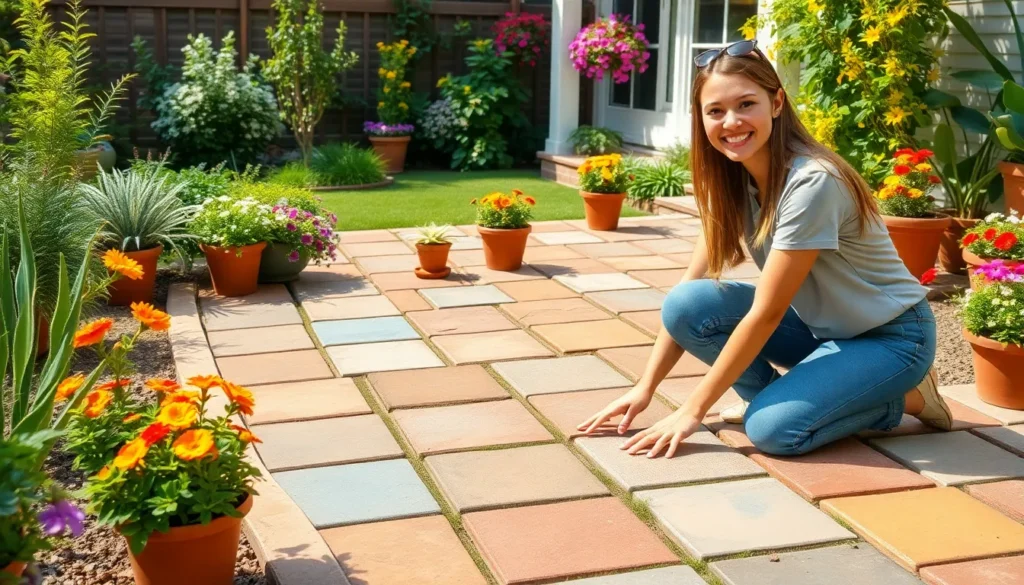
Imagine stepping outside to a backyard that feels like a mini-vacation every day. Patio pavers can transform any dull outdoor space into a stunning oasis where relaxation meets style. They’re not just pretty faces; these versatile stones are the unsung heroes of outdoor design, providing durability and charm all at once.
Whether it’s for hosting summer barbecues or simply enjoying a quiet evening under the stars, choosing the right patio pavers can make all the difference. With a variety of colors, shapes, and materials, the options are as endless as your imagination. So, why settle for a boring slab of concrete when you can create a masterpiece that’ll have your neighbors green with envy? Dive into the world of patio pavers and discover how to elevate your outdoor experience.
Overview of Patio Pavers
Patio pavers serve as durable, aesthetic solutions for enhancing outdoor spaces. They come in various materials, including concrete, brick, and natural stone, making them suitable for diverse design preferences. Each type offers distinct advantages; for instance, concrete pavers provide strength, while natural stone offers unique textures and colors.
Colors range from earthy tones to vibrant hues, allowing customization to match any landscape. Shapes differ, featuring squares, rectangles, and irregular designs that cater to individual tastes. Sizes also vary, providing builders flexibility in layout and installation patterns.
Installation of patio pavers involves creating a solid foundation to ensure stability and longevity. Choosing the right base material, such as crushed stone or gravel, is crucial for proper drainage and support. Proper spacing between the pavers allows for expansion and contraction without cracking.
Maintenance is relatively simple, requiring occasional cleaning and sealing. Regular sweeping removes debris, while a pressure washer can eliminate dirt and grime buildup. Sealing pavers protects against stains and enhances color longevity.
Patio pavers contribute to eco-friendliness by allowing water to permeate, reducing runoff. Many designs incorporate permeable materials that support drainage, leading to healthier landscapes. Homeowners benefit from creating inviting areas for gatherings, relaxation, and outdoor activities.
Types of Patio Pavers
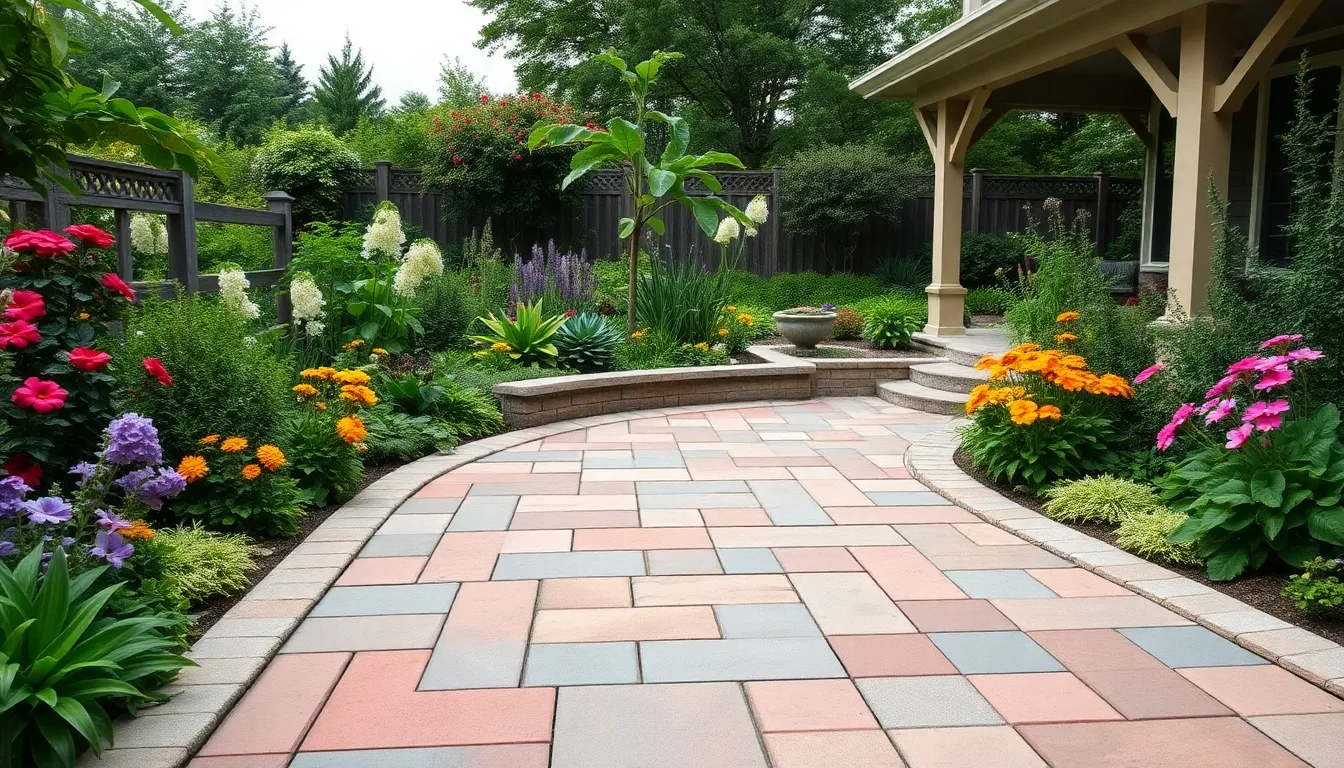
Patio pavers come in various materials, each offering distinct benefits that suit different preferences.
Concrete Pavers
Concrete pavers are versatile and come in numerous colors and textures. These pavers resist cracking and offer an excellent solution for various climates. They tend to be less expensive than other options, making them popular for budget-conscious projects. Customization includes shapes and sizes, allowing unique designs for outdoor spaces. Easy maintenance simplifies the cleaning process.
Brick Pavers
Brick pavers bring a classic charm that enhances any landscape. These pavers are long-lasting, withstand heavy traffic, and exhibit natural resistance to fading. Their warm colors and varying sizes enable creative patterns, appealing to many homeowners. Additionally, brick pavers can develop a beautiful patina over time, increasing their aesthetic appeal. Installation tends to be straightforward, ensuring a smooth process for contractors and DIY enthusiasts alike.
Natural Stone Pavers
Natural stone pavers offer unmatched elegance and luxury for outdoor spaces. Each piece presents a unique appearance, adding character to patios. These pavers exhibit exceptional durability and are well-suited for various weather conditions. Common types include slate, granite, and limestone, each providing distinctive textures and colors. Eco-friendliness further enhances their appeal, as they do not require heavy processing.
Benefits of Using Patio Pavers
Patio pavers offer numerous advantages for outdoor spaces. Their unique features enhance both functionality and aesthetics.
Durability and Longevity
Durability represents one of the key benefits of patio pavers. They withstand heavy foot traffic and resist cracking in various weather conditions. Concrete pavers stand out for their affordability and toughness. Brick pavers hold up against wear while developing a charming patina over time. Natural stone pavers showcase exceptional lifespan thanks to their strong compositions. Every material contributes to longer-lasting outdoor surfaces, ultimately decreasing the need for frequent replacements.
Aesthetic Appeal
Aesthetic appeal plays a significant role in choosing patio pavers. A wide variety of colors, shapes, and materials allows for unique designs that complement any outdoor style. Brick pavers evoke classic beauty with their rich colors. Natural stone pavers introduce organic elegance with distinct textures and hues. Concrete pavers offer customizable options, providing flexibility in artistic expression. These appealing features elevate outdoor spaces into visually striking environments.
Easy Maintenance
Easy maintenance adds to the allure of patio pavers. Cleaning typically involves simple sweeping and occasional power washing. Sealing pavers can enhance their longevity, protecting them from stains and moisture damage. Most materials resist moss and weed growth, minimizing upkeep efforts. Regular maintenance habits ensure surfaces remain inviting and pristine. A straightforward maintenance routine allows homeowners to enjoy their outdoor areas without significant time investment.
Installation Process for Patio Pavers
The installation process for patio pavers involves several key steps that ensure a durable and attractive outdoor space.
Preparation of the Site
Preparing the site lays the groundwork for a successful installation. First, homeowners must clear the area of debris and vegetation. Next, it’s essential to excavate the soil to a depth of at least 6 to 8 inches. This depth accommodates the stone base, known for providing stability. Packing the ground tightly helps prevent shifting over time. Afterward, a layer of crushed stone or gravel should fill the excavated area, creating a solid foundation. Ensuring proper drainage during this stage also protects against future water-related issues.
Laying the Pavers
Laying the pavers requires careful attention to alignment and spacing. Starting from a corner or edge allows for easier layout management. It’s often beneficial to use a string line or chalk line to maintain straight rows. Homeowners should place the pavers closely together, leaving small gaps for sand or joint filler. Working methodically ensures a cohesive appearance across the entire surface. Regularly checking alignment with a level helps achieve a flat finish. Once all pavers are in place, sweeping sand into the joints stabilizes them and minimizes shifting.
Finishing Touches
Finishing touches enhance both the aesthetics and functionality of the patio. Compacting the pavers using a plate compactor secures them in place and solidifies the base. After compaction, homeowners can add polymeric sand to the joints, providing additional stability and weed prevention. Applying a water sealant offers protection against staining and weather damage. Lastly, cleaning the surface of dust and debris ensures a polished look. These steps create an inviting outdoor area, ready for gatherings and relaxation.
Cost Considerations
Costs related to patio pavers vary significantly based on material, design, and installation method. Concrete pavers typically range from $3 to $10 per square foot, making them a budget-friendly option for many projects. Brick pavers, priced between $4 and $15 per square foot, offer classic appeal and durability, appealing to those interested in timeless aesthetics. Natural stone pavers, including slate and granite, usually command a higher price, ranging from $8 to $30 per square foot due to their unique beauty and environmental benefits.
Budgeting for installation adds another layer to overall costs. Professional installation may incur charges from $5 to $12 per square foot, depending on local labor rates and project complexity. DIY installation options are available, but homeowners must consider tools and equipment expenses, potentially increasing total investment.
Maintenance expenses over time also require consideration. Regular cleaning, occasional sealing, and any necessary repairs influence long-term budgeting. Ensuring proper drainage during installation helps minimize problems like cracking and settling, reducing future repair costs.
Custom design choices can further impact pricing. Unique shapes, colors, and patterns typically increase material expenses. Therefore, careful planning and prioritizing desired materials and designs aid in managing costs effectively.
Investing in high-quality patio pavers tends to provide returns through increased property value and enhanced outdoor appeal. Homeowners often find that durable pavers require less frequent replacement, yielding savings over time. Evaluating options clearly aids decision-making, ensuring selections align with budget constraints and aesthetic goals.
Patio pavers offer a remarkable way to elevate outdoor spaces into stylish and functional areas. Their durability and aesthetic versatility make them an ideal choice for homeowners looking to enhance their backyards. With various materials available like concrete, brick, and natural stone, there’s a perfect option for every design preference and budget.
The ease of maintenance and installation further adds to their appeal, allowing homeowners to create inviting environments with minimal effort. Investing in quality patio pavers not only beautifies a property but also increases its value. By choosing the right pavers, anyone can transform their outdoor area into a desirable space for relaxation and gatherings.