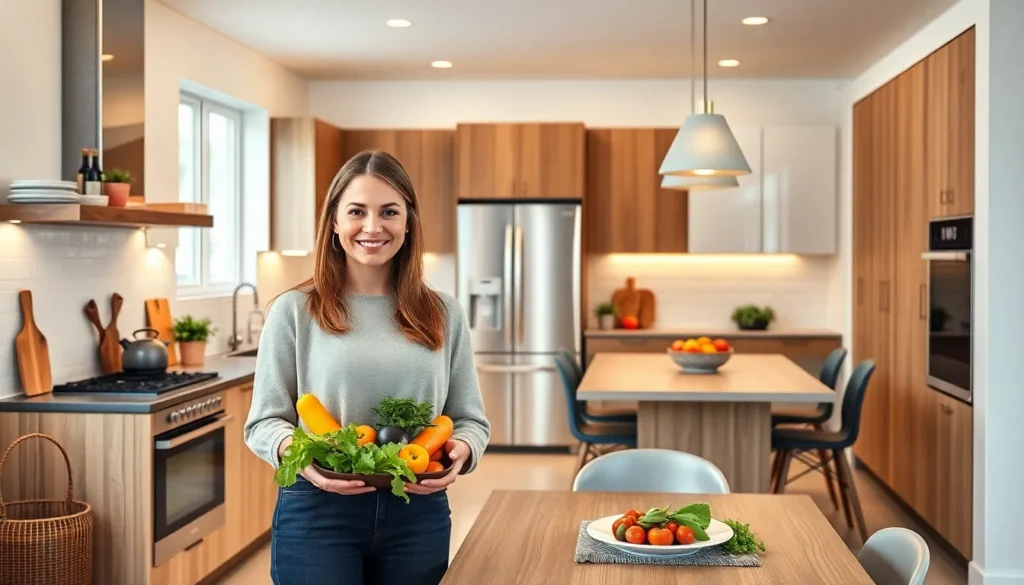
In the heart of every home lies the kitchen, a space where culinary dreams come to life and burnt toast disasters are born. It’s not just about cooking; it’s about creating a haven for family gatherings, late-night snacks, and those spontaneous dance parties while waiting for the microwave. With the right kitchen design, this often-overlooked area can transform into a stylish sanctuary that sparks joy and creativity.
Imagine whipping up a gourmet meal in a kitchen that feels like a Michelin-star restaurant—without the hefty price tag. From sleek countertops to smart storage solutions, the right design can make even the smallest spaces feel like a chef’s paradise. So, whether you’re a seasoned cook or a takeout enthusiast, it’s time to rethink your kitchen and make it a place that inspires culinary magic and maybe even a few laughs along the way.
Overview of Kitchen Design
Kitchen design plays a crucial role in transforming this essential space into a functional and inviting environment. A well-considered kitchen enhances cooking experiences and fosters family connections.
Importance of Kitchen Design
Kitchen design significantly influences the usability of the space. Efficiency increases when elements like layout and storage are optimized. Aesthetic appeal affects mood and encourages creativity. Personal style becomes apparent through color choices and material selections. Homes benefit from a well-designed kitchen by boosting resale value. Enhanced functionality meets the needs of different cooking styles, whether simple meals or elaborate dinners.
Trends in Kitchen Design
Current kitchen design trends focus on open layouts and multifunctional spaces. Popular elements include smart technology for improved efficiency. Minimalist styles featuring clean lines dominate, creating a sleek appearance. Natural materials like wood and stone add warmth and sophistication. Bold colors make statements, often contrasting with traditional palettes. Sustainability influences choices, with eco-friendly appliances and materials gaining traction. These trends highlight individual preferences while enhancing the overall experience of the kitchen.
Key Elements of Kitchen Design
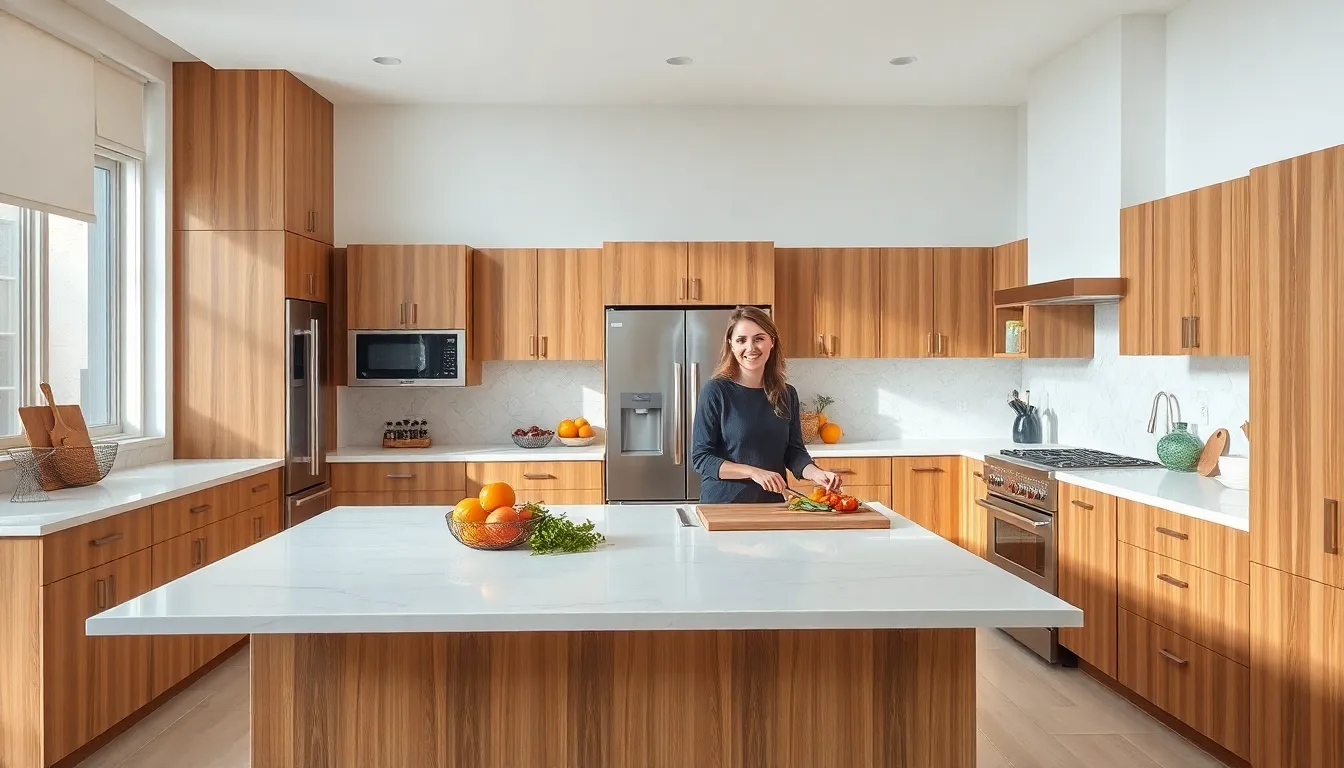
Kitchen design encompasses several critical elements that enhance both functionality and aesthetics. By understanding these components, one can create a space that meets cooking needs while reflecting personal style.
Layout and Space Planning
Functionality begins with the layout and space planning. Efficient kitchen layouts, such as the L-shape, U-shape, or galley design, optimize movement and workflow. These configurations facilitate easy access to cooking areas and storage spaces. Ensuring a clear path between the sink, stove, and refrigerator enhances usability. Incorporating islands or breakfast bars offers additional workspace and informal dining options. Considerations for suitable dimensions and clearances around appliances foster a comfortable cooking environment.
Color Schemes and Materials
Color schemes and materials play a vital role in creating an inviting kitchen atmosphere. Neutral palettes, such as whites, grays, and beiges, create a sense of openness and calm. Introducing bold accents through backsplashes, cabinetry, or accessories adds visual interest. Choosing high-quality materials, like quartz countertops or hardwood floors, ensures durability and easy maintenance. Sustainable options, such as recycled materials, appeal to environmentally conscious homeowners. Ultimately, well-coordinated colors and materials enhance the kitchen’s overall design, making it a true reflection of individual taste.
Functional Aspects of Kitchen Design
Functional kitchen design focuses on maximizing usability and comfort in the kitchen space. Two critical elements to consider are ergonomics and storage solutions.
Ergonomics in Kitchen Design
Ergonomics plays a significant role in creating a comfortable kitchen environment. Proper counter heights enhance standing posture, reducing strain during meal prep. Appliance placement greatly influences workflow; placing items close to the cooking area boosts efficiency. Lighting design also matters; task lighting illuminates work surfaces while ambient light encourages a welcoming atmosphere. Well-designed kitchens minimize repetitive movements, making cooking enjoyable instead of tiresome.
Storage Solutions and Organization
Storage solutions directly impact the functionality of a kitchen. Cabinets that maximize vertical space provide room for essential items without clutter. Utilizing pull-out shelves and drawer organizers enhances accessibility, ensuring that ingredients and tools are easy to reach. Open shelving adds charm while allowing for quick access to frequently used items. Similarly, incorporating smart storage solutions, such as lazy Susans and pull-down racks, increases efficiency. An organized kitchen not only looks appealing but also streamlines cooking and preparation processes.
Aesthetic Considerations in Kitchen Design
A well-thought-out kitchen design blends functionality with visual appeal. Several elements contribute to the kitchen’s overall aesthetic, enhancing both its beauty and user experience.
Lighting and Ambiance
Lighting significantly influences a kitchen’s ambiance. Task lighting illuminates specific areas like countertops, ensuring efficiency during meal prep. Ambient lighting creates a warm, inviting atmosphere for gatherings. Pendant lights above an island can serve a dual purpose, providing both style and brightness. Natural light can also enhance mood, making windows a key feature in design. Incorporating dimmers allows for adjustable lighting levels, perfect for various occasions.
Incorporating Personal Style
Personal style plays a crucial role in kitchen design. It reflects individual tastes through color choices, cabinetry, and decor. Bold shades or soft pastels can set the perfect tone for the space. Unique hardware accents add character and align with overall design themes. Open shelving provides opportunities to display personal collections or decorative items, adding a personal touch. Including artisanal elements or custom pieces can also elevate the aesthetic. Taking these elements into account creates a kitchen that feels uniquely inviting and personal.
A thoughtfully designed kitchen serves as the heart of the home where functionality meets personal expression. By embracing innovative layouts and incorporating sustainable materials, anyone can create a space that enhances daily living.
The right combination of aesthetics and practicality not only elevates the cooking experience but also fosters connections among family and friends. With current trends leaning towards open spaces and smart technology, it’s easier than ever to reimagine a kitchen that inspires creativity.
Ultimately, investing in kitchen design is more than just a home improvement; it’s about crafting a welcoming environment that reflects individual style while boosting the overall value of the home.