In a world where energy bills can feel like a second mortgage, energy efficient home design isn’t just a trend—it’s a lifesaver. Imagine a home that not only keeps you cozy but also saves you money while reducing your carbon footprint. It’s like having your cake and eating it too, but without the calories!
Overview of Energy Efficient Home Design
Energy efficient home design focuses on reducing energy consumption while maximizing comfort. This approach incorporates various strategies and technologies that prioritize sustainability and cost-effectiveness. Homeowners benefit from lower energy bills and a reduced environmental footprint.
Key features of energy efficient homes include proper insulation, energy-efficient windows, and efficient heating and cooling systems. Insulation minimizes heat loss during winter and keeps homes cool in summer. Windows with low U-values prevent air leaks, enhancing energy retention. Advanced heating and cooling systems utilize smart technology for optimal performance.
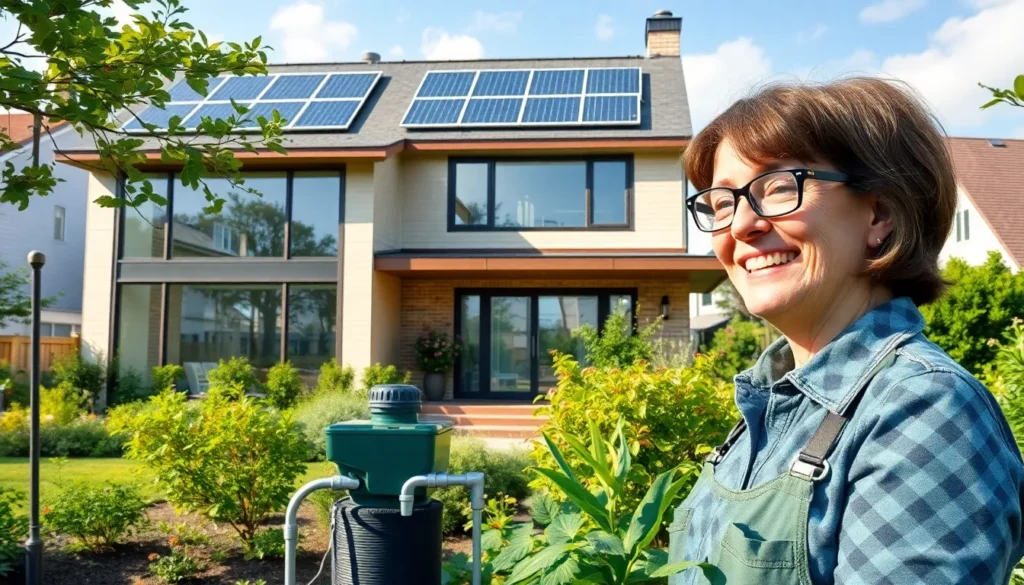
Additionally, energy efficient home design often emphasizes solar energy utilization. Photovoltaic panels capture sunlight and convert it into usable electricity. This shift to renewable energy sources decreases dependency on traditional power grids, providing long-term savings.
Water conservation also plays an important role in energy efficient design. Low-flow fixtures and rainwater harvesting systems reduce water usage and associated energy costs. Homeowners can further enhance efficiency through landscape designs that require minimal irrigation.
Ultimately, energy efficient home design combines aesthetic appeal with functional benefits. It creates living spaces that are both environmentally friendly and economically feasible. As energy costs continue to rise, investing in energy efficiency presents an opportunity for homeowners to make impactful changes.
Key Principles of Energy Efficient Home Design
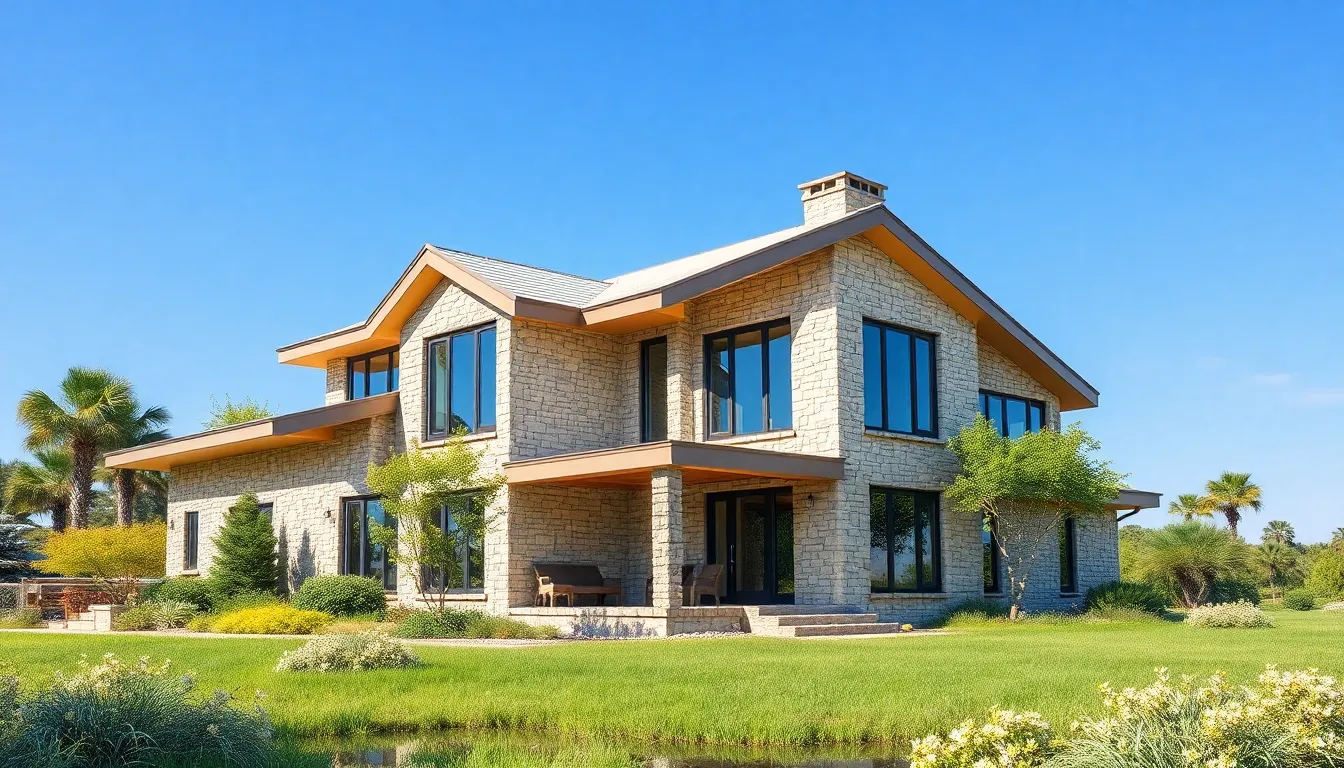
Energy-efficient home design integrates strategies that promote sustainability while ensuring comfort and cost savings. Highlighting key principles provides homeowners with actionable insights.
Passive Solar Design
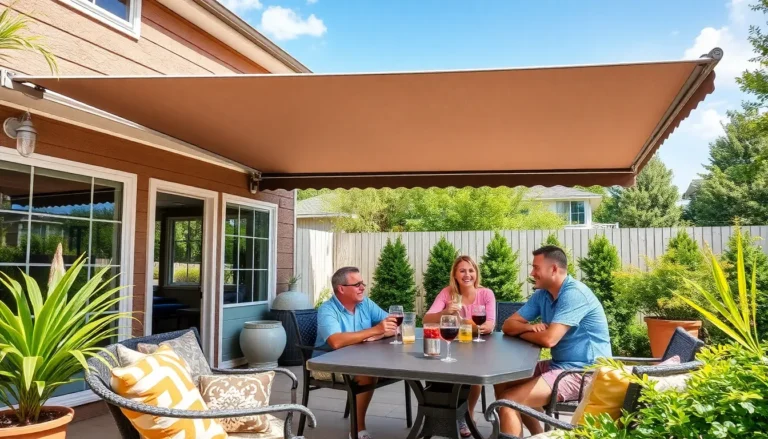
Passive solar design utilizes natural sunlight for heating and lighting. Strategically placed windows and overhangs optimize solar gain during winter months. Proper orientation of the home maximizes energy absorption. Thermal mass materials like concrete or stone help retain heat, reducing reliance on heating systems. Effective shading techniques prevent overheating in summer, keeping interiors cool.
Insulation and Airtightness
Insulation plays a critical role in minimizing heat loss in winter and heat gain in summer. High-performance insulation materials reduce the need for heating and cooling, promoting energy savings. Airtightness prevents drafts, improving indoor air quality and comfort. Sealing gaps around doors, windows, and vents enhances energy efficiency. A blower door test identifies areas needing improvement.
Efficient Windows and Doors
Energy-efficient windows and doors minimize heat transfer and air leakage. Double or triple glazing enhances thermal performance while providing sound insulation. Low-emissivity coatings reflect heat back indoors, making spaces more comfortable. Opting for energyStar certified products ensures compliance with performance standards. Proper installation further enhances effectiveness by reducing gaps and improving seal integrity.
Sustainable Materials and Practices
Sustainable materials and practices play a crucial role in energy-efficient home design. They help minimize environmental impact while enhancing comfort and livability.
Renewable Energy Sources
Solar energy stands out as a primary renewable resource for homes. Photovoltaic panels convert sunlight into electricity, significantly reducing reliance on fossil fuels. Wind turbines also provide clean energy and can be integrated into residential areas where space allows. Geothermal systems harness natural heat from the Earth to efficiently regulate indoor temperatures. These renewable sources not only lower energy costs but also contribute to environmental sustainability.
Water Conservation Techniques
Water conservation techniques enhance home efficiency by minimizing waste. Low-flow fixtures, including faucets and showerheads, dramatically reduce water usage without sacrificing performance. Rainwater harvesting systems capture and store rain for irrigation and non-potable uses. Greywater recycling systems treat and redirect household wastewater for landscaping. Implementing these methods reduces water bills and promotes responsible resource management, making homes more sustainable.
Benefits of Energy Efficient Home Design
Energy-efficient home design offers significant advantages for homeowners and the environment. By focusing on sustainability, these designs enhance comfort and reduce costs.
Cost Savings
Lower utility bills represent one of the primary benefits of energy-efficient home design. High-performance insulation and energy-efficient windows minimize heat loss, decreasing heating and cooling expenses. Homes equipped with energy-efficient appliances further contribute to cost savings, as they consume less electricity. In fact, homeowners can save up to 30% on energy costs annually by implementing these features. Ultimately, investing in energy-efficient systems offers substantial financial returns over time.
Environmental Impact
Minimizing the carbon footprint serves as a crucial advantage of energy-efficient home design. Utilizing renewable energy sources, such as solar panels, significantly reduces reliance on fossil fuels. Studies indicate that homes designed with energy efficiency in mind can lower greenhouse gas emissions by up to 50%. Implementing water conservation techniques, like rainwater harvesting systems, promotes responsible resource management. Choosing sustainable materials also lessens environmental impact, resulting in a healthier planet and improved indoor air quality.
Challenges in Implementing Energy Efficient Home Design
Implementing energy-efficient home design presents various challenges that homeowners must navigate. High upfront costs often deter many from pursuing these improvements. Innovative technologies, like energy-efficient windows and advanced heating systems, come with significant investments that can seem overwhelming.
Limited awareness contributes to difficulties in adoption. Many homeowners lack understanding of the benefits associated with energy-efficient design, leading to hesitation in making changes. Misconceptions about installation processes may further complicate decision-making.
Additionally, existing structures frequently pose obstacles. Retrofitting older homes with modern energy-efficient technologies can involve complex renovations. These modifications may require specialized knowledge and skills, increasing project timelines and costs.
Local regulations can also hinder progress. Building codes may not always support innovative energy-efficient solutions, restricting options for homeowners. Navigating these regulations can be time-consuming and frustrating, especially for those unfamiliar with the legal landscape.
Long-term planning remains crucial. Many individuals focus solely on immediate benefits, neglecting the longer-term advantages of energy efficiency. Successful implementation necessitates a commitment to ongoing maintenance and monitoring to ensure consistent performance.
Finally, balancing aesthetics with functionality can prove challenging. Homeowners often desire designs that not only optimize energy use but also align with personal style. Achieving harmony between these aspects requires careful consideration and creativity.
Addressing these challenges opens pathways to successful energy-efficient home design, paving the way for enhanced comfort, reduced costs, and minimal environmental impact.
Embracing energy-efficient home design is a smart choice for homeowners looking to enhance comfort while reducing costs and environmental impact. By prioritizing sustainable practices and innovative technologies, individuals can create spaces that not only save money but also contribute to a healthier planet.
Despite the challenges associated with implementation, the long-term benefits far outweigh initial hurdles. With careful planning and a commitment to efficiency, homeowners can achieve a balance between aesthetics and functionality. Energy-efficient design is more than a trend; it’s a pathway to a sustainable future that offers lasting rewards for both the homeowner and the environment.