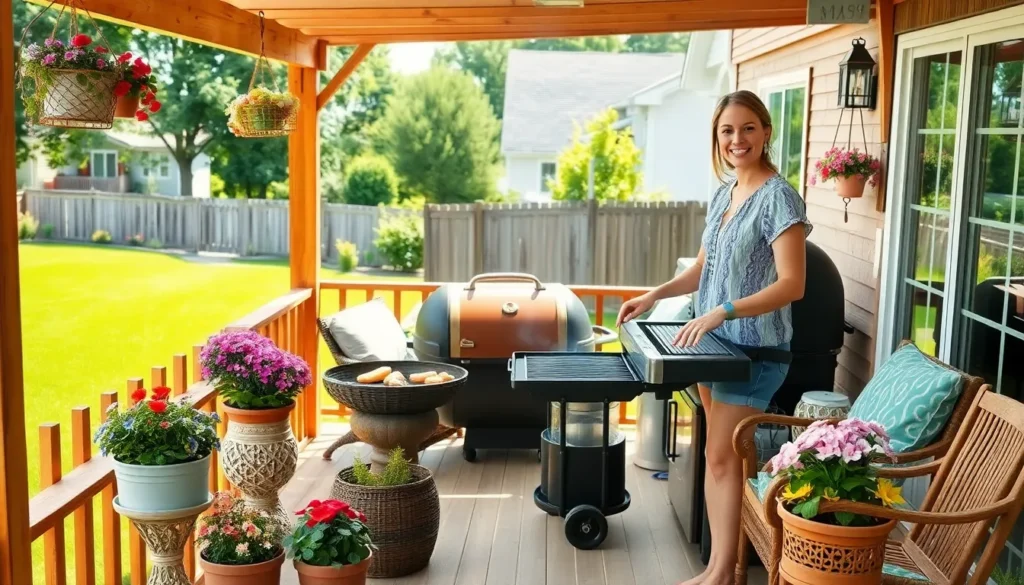
Imagine stepping into your backyard and being greeted by the perfect outdoor oasis. Custom decks and patios aren’t just home improvements; they’re the secret sauce to elevating your outdoor experience. Whether it’s hosting a barbecue that rivals a five-star restaurant or simply enjoying a quiet evening under the stars, a well-designed deck or patio transforms any space into a personal paradise.
Table of Contents
ToggleOverview of Custom Decks and Patios
Custom decks and patios serve as vital components in enhancing outdoor living spaces. These structures transform backyards into versatile areas for relaxation and entertainment.
Definition and Importance
Custom decks refer to outdoor platforms constructed from various materials, designed per individual specifications. Patios typically consist of paved or stone surfaces, providing durable spaces for outdoor activities. Both structures significantly increase property value and appeal. They create an immersive outdoor atmosphere, expanding living areas seamlessly. Homeowners often enjoy the aesthetic benefits along with functional advantages, like improved accessibility and space utilization.
Benefits of Customization
Customization allows for unique designs tailored to specific preferences. Homeowners can choose materials, colors, and layouts based on personal style. A well-designed deck or patio complements the existing architecture and landscape. Tailoring these spaces enhances usability for diverse activities. Whether for cooking, dining, or lounging, customization meets specific needs and wants. Additionally, local climate conditions influence material choices, ensuring longevity and durability. Overall, tailored designs deliver significant satisfaction and enjoyment.
Designing Your Custom Deck or Patio
Designing a custom deck or patio involves careful consideration of various factors. Homeowners can create unique outdoor spaces that enhance their lifestyle.
Choosing the Right Materials
Selecting the right materials significantly affects durability and aesthetics. Wood options like cedar and redwood offer natural beauty but require regular maintenance. Composite materials provide a blend of durability and low upkeep, making them increasingly popular for modern designs. Stone and concrete options deliver impressive strength, especially for patios, and can withstand varying weather conditions. Local climate influences material choices too; this ensures longevity and performance in specific environments.
Popular Design Styles
Some homeowners prefer contemporary designs, characterized by clean lines and minimalistic elements. Traditional styles often feature classic shapes and cozy furnishings that evoke warmth. Rustic designs typically incorporate natural materials, creating a cozy, organic feel. Eclectic styles mix various elements, allowing for personalized expression in outdoor spaces. Each style provides options for customization, ensuring that homeowners can find a design that fits their preferences and complements their home.
Installation Process
The installation process for custom decks and patios requires careful planning and execution to ensure quality results. Homeowners often face decisions about whether to hire professionals or tackle the project themselves.
Hiring Professionals vs. DIY
Hiring professionals offers expertise in design and construction, ensuring safety and compliance with local codes. Experts streamline the process, managing sourcing materials and handling unforeseen issues. DIY projects provide flexibility and potential cost savings but require strong skills and tools for successful execution. Homeowners must assess their capabilities before committing to a self-built project. Factors like time availability and willingness to learn impact the choice. Employing professionals often leads to a polished finish and better long-term durability.
Timeline and Considerations
The timeline for installation varies based on complexity, size, and weather conditions. Small projects might take several days, while larger ones could extend to weeks. Local building permits may also influence timelines, so obtaining necessary approvals is crucial. Weather conditions factor in significantly, with rain or extreme temperatures causing delays. Homeowners should prepare for unexpected changes during the process. Planning for disruptions and setting realistic expectations helps maintain project flow. Prioritizing clear communication with contractors or teams keeps everyone informed throughout the installation.
Maintenance Tips for Longevity
Proper maintenance ensures the longevity of custom decks and patios, allowing homeowners to enjoy these spaces for years. Regular care helps prevent deterioration and preserves aesthetics.
Seasonal Care
Spring and fall present prime opportunities for thorough cleaning. Start by sweeping away debris and dirt, then use a mild detergent for deeper cleaning. During summer, check for signs of wear, such as fading or cracking. It’s crucial to apply protective sealants every one to three years, especially for wooden decks, to maintain moisture resistance. Winter maintenance includes snow removal, ideally using a plastic shovel to avoid damaging surfaces. With these seasonal practices, these outdoor spaces stay in excellent condition.
Repairing Common Issues
Addressing common issues promptly prevents further damage. Cracks and loose boards on patios or decks require immediate attention; replacing damaged sections enhances safety and aesthetics. Wooden surfaces may suffer from rot, easily identified by softness. Sanding the affected area followed by sealing stops the spread. For slippery surfaces, adding non-slip coatings or sanding the surface layer improves traction. By staying proactive with repairs, homeowners maintain the functionality and beauty of their outdoor spaces.
Cost Considerations
Cost is a crucial factor when planning custom decks and patios. Understanding budget requirements helps prevent overspending while achieving desired results.
Budgeting for Your Project
Budgeting starts with determining a total figure for the project. The average cost of custom decks ranges from $15 to $35 per square foot, while patios typically range from $10 to $30 per square foot. Homeowners should account for material, labor, and additional features like lighting or furniture. Setting aside 10% of the budget for unexpected expenses provides a safety net during the project. Estimates from multiple contractors assist in creating a realistic budget based on local market conditions and specific requirements.
Factors Influencing Price
Several factors influence the overall price of custom decks and patios. Material choice significantly affects the budget, with wood, composite, stone, and concrete varying greatly in cost. Size and complexity of the design also impact expenses, as larger, more intricate projects require more labor and materials. Labor rates vary by location, so researching local prices helps gauge costs accurately. Additionally, permits and inspections might incur extra charges, depending on local regulations. Climate conditions may require specialized materials, further influencing project costs.
Custom decks and patios are more than just home improvements; they’re investments in lifestyle and property value. By creating personalized outdoor spaces that cater to individual preferences and needs, homeowners can enjoy a seamless blend of functionality and aesthetics. The thoughtful design and material selection process ensures durability and style, making these features a joy to use for years to come. With proper maintenance and planning, custom decks and patios can transform any backyard into a stunning retreat that enhances both daily living and special occasions. Embracing these outdoor enhancements opens the door to endless possibilities for relaxation and entertainment.